
Why Colorado Homeowners Must Understand How Older Homes Need More Frequent Inspections

Why Do Older Homes Need More Frequent Inspections?
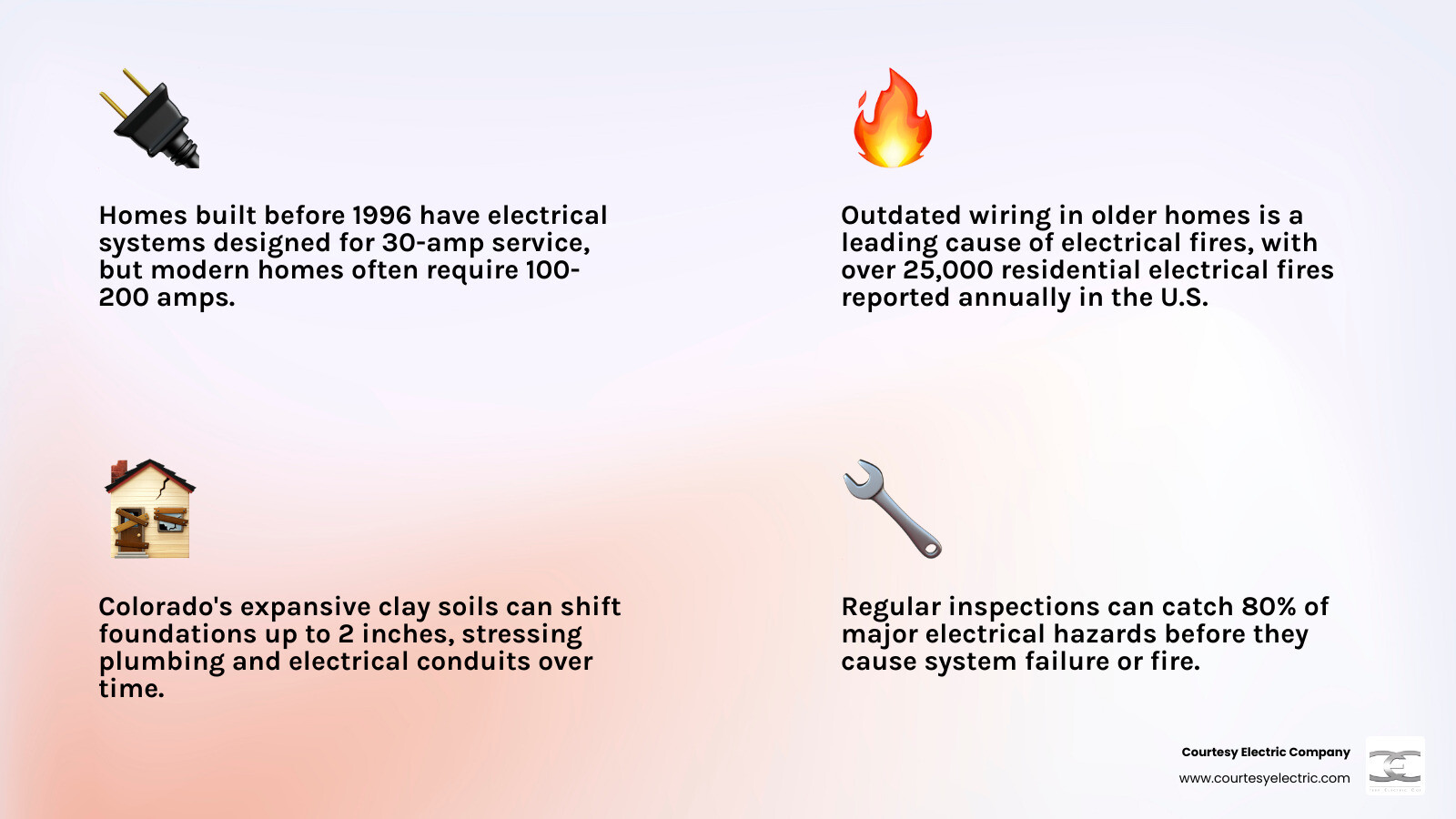
If you own a home built before 1996, keeping a close eye on your property is vital. Here is a quick breakdown of why older properties require more frequent evaluations:
- System Lifespan Limits: Critical components like electrical wiring, pipes, and roofs deteriorate over decades of constant use.
- Outdated Safety Standards: Older homes were built under historical codes that lack modern safety features like GFCI outlets and arc-fault breakers.
- Modern Power Demands: Original electrical systems were never designed to handle today's heavy loads of multiple computers, TVs, and smart appliances.
- Undetected Wear and Tear: Soil expansion and extreme weather in Colorado slowly shift foundations, stressing plumbing and electrical systems over time.
Many Colorado Front Range families do not realize how older homes need more frequent inspections to remain safe, functional, and secure. Properties built over thirty years ago often harbor hidden electrical hazards, deteriorating plumbing, and foundation issues. In cities like Denver, CO, extreme temperature swings and expansive soils put constant stress on aging infrastructure. This makes a regular professional home electrical inspection an essential preventative measure, rather than just a one-time purchase hurdle. Outdated wiring simply cannot keep up with modern power demands, leading to overloaded circuits and severe fire hazards behind your walls.
If you are concerned about your home's safety, explore our comprehensive electrical services and schedule an electrical service with us today.
I am David Meyer, Vice President of Courtesy Electric, where we have spent fifty years keeping Colorado families safe and powered. Over my decades in the field, I have seen how older homes need more frequent inspections to prevent catastrophic electrical failures and safely integrate modern upgrades.
Understanding How Older Homes Need More Frequent Inspections
Many homeowners view a property inspection as a single hurdle to clear during the buying process. However, for those living in Denver’s historic neighborhoods, Parker, Highlands Ranch, or Black Forest, inspections must be treated as recurring, proactive maintenance.
According to national housing data, approximately 48% of owner-occupied homes in the United States were built before 1980, and roughly 35% date back to before 1970. This aging housing stock is subject to continuous wear and tear. Over five or six decades, materials degrade, foundations settle, and environmental factors take their toll.
When you live in an older property, you are dealing with a complex web of overlapping systems. A slow plumbing leak behind a plaster wall can gradually rot structural framing, which in turn can pinch aging electrical lines. Standard home inspections find issues in about 86% of all homes evaluated. In properties built before 1980, that percentage is significantly higher, and the problems discovered tend to involve critical, high-risk systems.
Building codes are not static; they evolve to protect lives as technology and safety science advance. What was considered cutting-edge construction in 1950 or 1970 is often considered a safety hazard today. To keep your family safe and protect your investment, you need to understand How Often Should You Have Your Electrical System Inspected and when to bring in specialized professionals to assess other structural elements.
How Older Homes Need More Frequent Inspections to Prevent Electrical Fires
The gap between a home’s original design and modern electrical usage is one of the most pressing reasons how older homes need more frequent inspections. In the 1950s, a typical household ran a refrigerator, a few light bulbs, and perhaps a small television. Today, we plug in multiple high-definition screens, high-draw kitchen appliances, powerful HVAC systems, smart home networks, and electric vehicle chargers.
When modern loads are forced through legacy electrical infrastructure, the results can be disastrous. Undersized circuits become chronically overloaded, generating heat behind walls long before a breaker trips. This risk is compounded by the deterioration of the wire insulation itself. Over time, original rubber or cloth coverings on older wiring dry out, crack, and crumble, exposing live conductors.
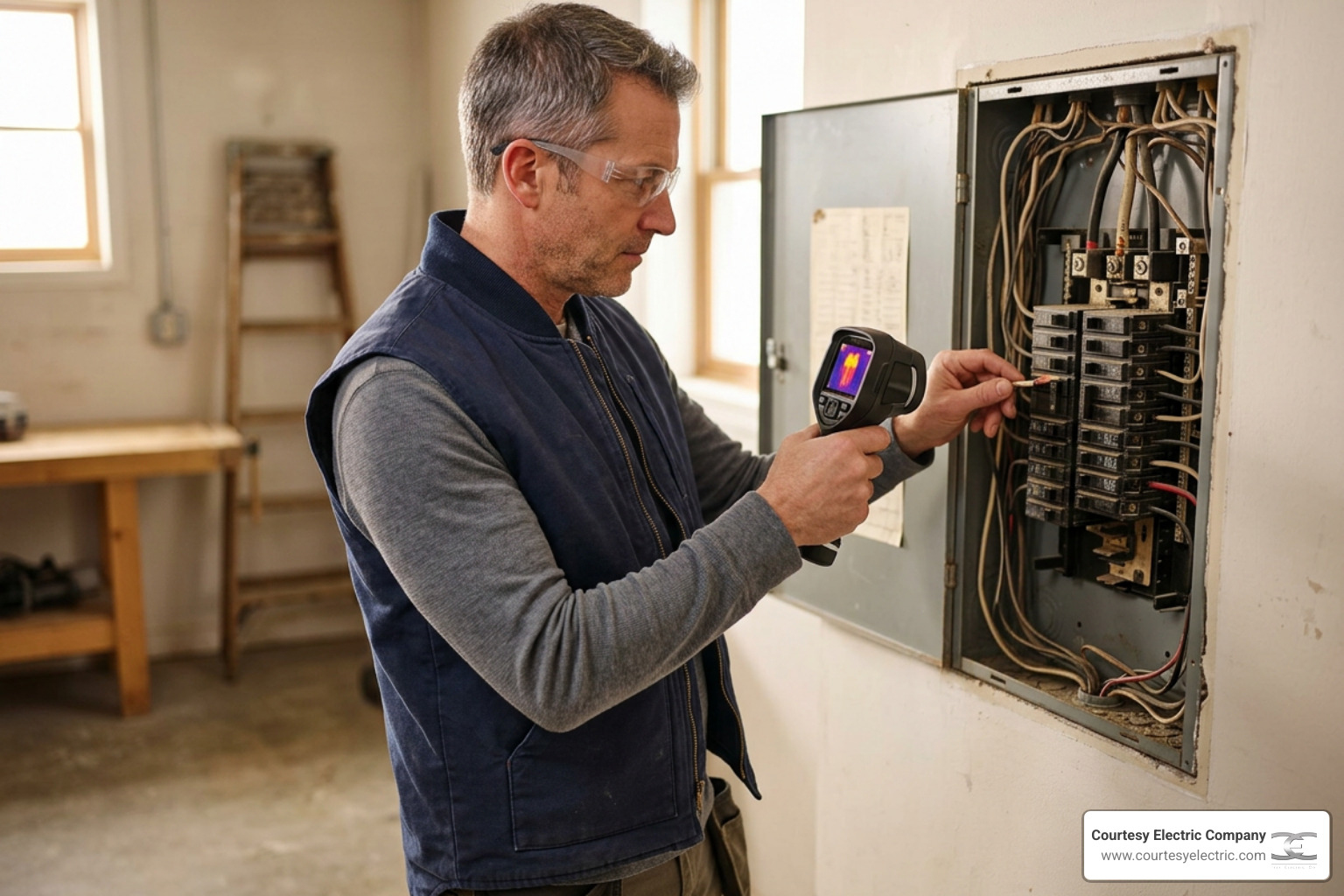
Understanding How Outdated Wiring Increases Fire Risk is the first step in protecting your property. Older systems lack the safety margins engineered into modern homes. Without regular evaluations, hidden damage can trigger arc faults or short circuits. Proactive homeowners must prioritize learning How to Prevent Electrical Fires in Your Home through routine diagnostic testing, thermal imaging, and timely panel upgrades.
How Older Homes Need More Frequent Inspections to Maintain Structural Integrity
The physical structure of an older home acts as a unified system. When one element shifts, it places strain on everything else. In the Colorado Front Range, our unique geology and climate play a major role in this degradation.
Denver, Highlands Ranch, and surrounding areas are famous for expansive soils, particularly bentonite clay. This clay acts like a sponge, expanding dramatically when wet and shrinking as it dries. This constant movement exerts immense pressure on older foundations, which were often built with fewer steel reinforcements than modern engineering requires. Many older buildings are engineered to tolerate less than a quarter-inch of foundation movement over several years. When movement exceeds these narrow tolerances, the structural frame warps.
You can learn more about How Colorado Front Range Climate Affects Your Electrical System to see how these physical shifts do not just cause sticking doors and cracked drywall—they can also pull apart conduit, shear underground service lines, and compromise the grounding of your entire home. Regular structural and electrical checkups ensure that these slow-moving climate impacts are caught before they turn into emergency structural failures.
Recommended Inspection Frequency and Specialized Testing
For properties over thirty years old, we recommend a comprehensive general maintenance inspection every five years, paired with an annual electrical safety check. These routine evaluations help you stay ahead of the natural failure patterns of aging materials.
Standard home inspections are primarily visual, meaning they can miss hidden, slow-growing issues. To truly safeguard an older home, specialized ancillary testing is highly recommended.
For instance, sewer lines in homes built before 1970 are frequently constructed from clay or cast iron. These materials are highly susceptible to tree root intrusion and ground settling. A specialized sewer scope can save you from a catastrophic backup. Similarly, Colorado's geology means that high radon levels are incredibly common. The EPA estimates that nearly 6 million homes nationwide have radon levels at or above the action limit of 4 pCi/L, and older, less ventilated basements are disproportionately affected.
Proactive testing is the best way to maintain peace of mind. Knowing How an Electrical Inspection Prevents Problems allows you to target your maintenance budget effectively, fixing minor issues before they escalate.
- Sewer Scope Inspections: Uses a specialized camera to check for cracks, collapses, or root blockages in original clay or cast-iron lines.
- Radon Testing: Measures soil gas levels in the lowest livable area of your home to protect your family from carcinogens.
- Thermal Imaging: Detects hidden moisture, missing insulation, and overloaded, overheating electrical circuits behind finished walls.
- Mold and Moisture Evaluations: Identifies slow plumbing leaks and poor attic ventilation before toxic mold compromises indoor air quality.

| Inspection Type | Focus Areas | Recommended Frequency for Older Homes |
|---|---|---|
| Standard Visual Inspection | Overall structural bones, roof, basic plumbing, and visible electrical components. | Every 5 years |
| Electrical Safety Inspection | Panel integrity, grounding, circuit loads, and outlets. | Annually |
| Sewer Scope | Main sewer line condition, root intrusion, pipe offsets. | Every 2 to 3 years |
| Radon Testing | Sub-slab soil gas levels on the lowest level. | Every 2 years |
| Thermal Imaging & Moisture | Hidden wall leaks, electrical hot spots, insulation gaps. | As needed / during electrical audits |
Common Hazards and Red Flags Found in Aging Infrastructure
When evaluating older properties, inspectors frequently run into predictable, era-specific hazards. Many of these issues are hidden behind plaster or drywall, quietly posing safety risks to the home's occupants.
One of the most critical areas of concern is the electrical system. Homes built before 1940 often contain active knob-and-tube wiring. This system uses single insulated conductors run through porcelain tubes and supported by porcelain knobs. While safe when originally installed, knob-and-tube has no ground wire, and its cloth insulation degrades over time. Furthermore, well-meaning homeowners often cover this wiring with modern attic insulation, which traps heat and creates an immediate fire hazard.
Later, in the late 1960s and early 1970s, copper shortages led builders to use aluminum branch circuit wiring. Aluminum expands and contracts more than copper when carrying electrical current, which can loosen connections at outlets and switches, leading to overheating and potential fires.
Keeping an Electrical Safety Checklist for Older Homes handy can help you identify these hazards in your property.
Outdated Electrical and Plumbing Systems
Beyond the wiring itself, the electrical panels in older homes are a major point of concern. Legacy panels manufactured by Federal Pacific Electric (Stab-Lok) or Zinsco are notorious for failing to trip when overloaded. Instead of cutting power during a short circuit, these outdated breakers can melt, arc, and cause devastating house fires. Many insurance carriers now refuse to write or renew policies on homes that still use these legacy panels.
Plumbing systems in older homes present similar age-related risks. Galvanized steel pipes, common in homes built before 1960, corrode from the inside out. This corrosion restricts water flow, causes low pressure, and eventually leads to pinhole leaks hidden inside walls.
It is crucial to learn How to Spot Electrical Problems Before They Become Dangerous, such as flickering lights, warm switch plates, or a persistent musty smell that could indicate a slow plumbing leak near electrical conduits.
Hazardous Materials and Past DIY Repairs
Older homes also act as historical records of past building trends, some of which we now know are highly hazardous. Lead-based paint was standard in residential construction until it was banned in 1978. If left undisturbed, lead paint is relatively safe, but scraping, sanding, or remodeling can release toxic lead dust. Asbestos was also widely used for insulation, plaster, and floor tiles up through the 1980s.
In addition to hazardous materials, older homes often suffer from "layers of past repairs." Over fifty or sixty years, various homeowners and uncertified handymen may have added outlets, removed structural walls, or spliced plumbing lines without permits or proper techniques.
These amateur modifications frequently create hidden hazards. Understanding When to Call an Electrician vs DIY is essential for older home maintenance. While painting or replacing trim is perfectly fine to tackle yourself, modifying structural framing, plumbing, or electrical infrastructure requires licensed professionals to ensure safety and code compliance.
Future-Proofing and Proactive Maintenance for Your Front Range Home
Preserving the historic character of an older Front Range home does not mean you have to live with outdated technology. In fact, modernizing your home’s infrastructure is the best way to protect its structural and architectural heritage. Future-proofing your property involves upgrading to systems that can safely manage modern electrical loads while providing reliable backup options during severe Colorado weather.
One of the most effective ways to modernize an older home is by installing a SPAN smart electrical panel. Traditional panels simply distribute power blindly, but a smart panel gives you real-time monitoring and control over every circuit in your house through a smartphone app. This allows you to track energy usage, detect abnormal electrical behavior before it becomes dangerous, and prioritize critical loads during an outage.
Pairing a smart panel with a Franklin battery storage system or a whole-home standby generator (such as a Generac or Cummins system) ensures your home remains safe and comfortable during winter blizzards or summer grid strain. These modern systems work together to isolate utility failures and restore power to your home within seconds.
By taking a proactive approach, you can learn How to Future-Proof Your Home Electrical System, blending classic historic charm with the safety and efficiency of modern smart home technology.
Frequently Asked Questions About Older Home Inspections
What are the biggest red flags in an older home inspection report?
The most critical red flags in an older home's inspection report are those that compromise safety or require massive structural remediation. These include:
- Active structural foundation movement: Indicated by wide foundation cracks, severely sloping floors, or doors that cannot close.
- Hazardous electrical systems: Active knob-and-tube wiring, aluminum branch wiring, or ungrounded outlets near water sources.
- Legacy electrical panels: Federal Pacific Stab-Lok or Zinsco panels that pose immediate fire risks and prevent you from securing home insurance.
- Severe water damage or mold: Hidden leaks behind walls or in crawl spaces that decay structural framing and ruin indoor air quality.
How do past unpermitted renovations affect an inspection?
Past unpermitted work is a major administrative and safety headache. When a previous owner performs unpermitted electrical, plumbing, or structural work, it often fails to meet building codes. During an inspection, these mismatched systems are flagged as safety hazards. Furthermore, if the city discovers unpermitted renovations, you may be forced to open up finished walls for inspections, pay retroactive permit fees, or completely rebuild the project to meet current safety standards.
How much of a home's value should be set aside for annual maintenance?
Industry experts and financial advisors generally recommend the "1% to 3% rule." This means you should set aside 1% to 3% of your home's total market value each year for ongoing maintenance and repairs. For an older home, you should aim for the higher end of this range (3%). Having a dedicated maintenance fund allows you to address minor repairs, schedule regular inspections, and replace aging components proactively, saving you from the stress of emergency failures.
Conclusion
Owning a piece of Colorado’s history is incredibly rewarding, but it comes with a responsibility to maintain and protect that legacy. Understanding how older homes need more frequent inspections is the key to keeping your historic property safe, functional, and valuable for decades to come. By pairing regular structural checkups with professional electrical safety audits, you can catch minor wear and tear before it escalates into a costly emergency.
At Courtesy Electric Company, we have been serving Denver, Parker, Highlands Ranch, Black Forest, and the entire Front Range region since 1976. As a trusted local contractor, we specialize in everything from retrofitting older homes with modern wiring to installing smart panels, standby generators, and battery backups.
Let us help you protect your home. We offer free estimates on all electrical installations and upgrades. Schedule an Electrical Service with Courtesy Electric Company today to ensure your older home is ready for the future.


