
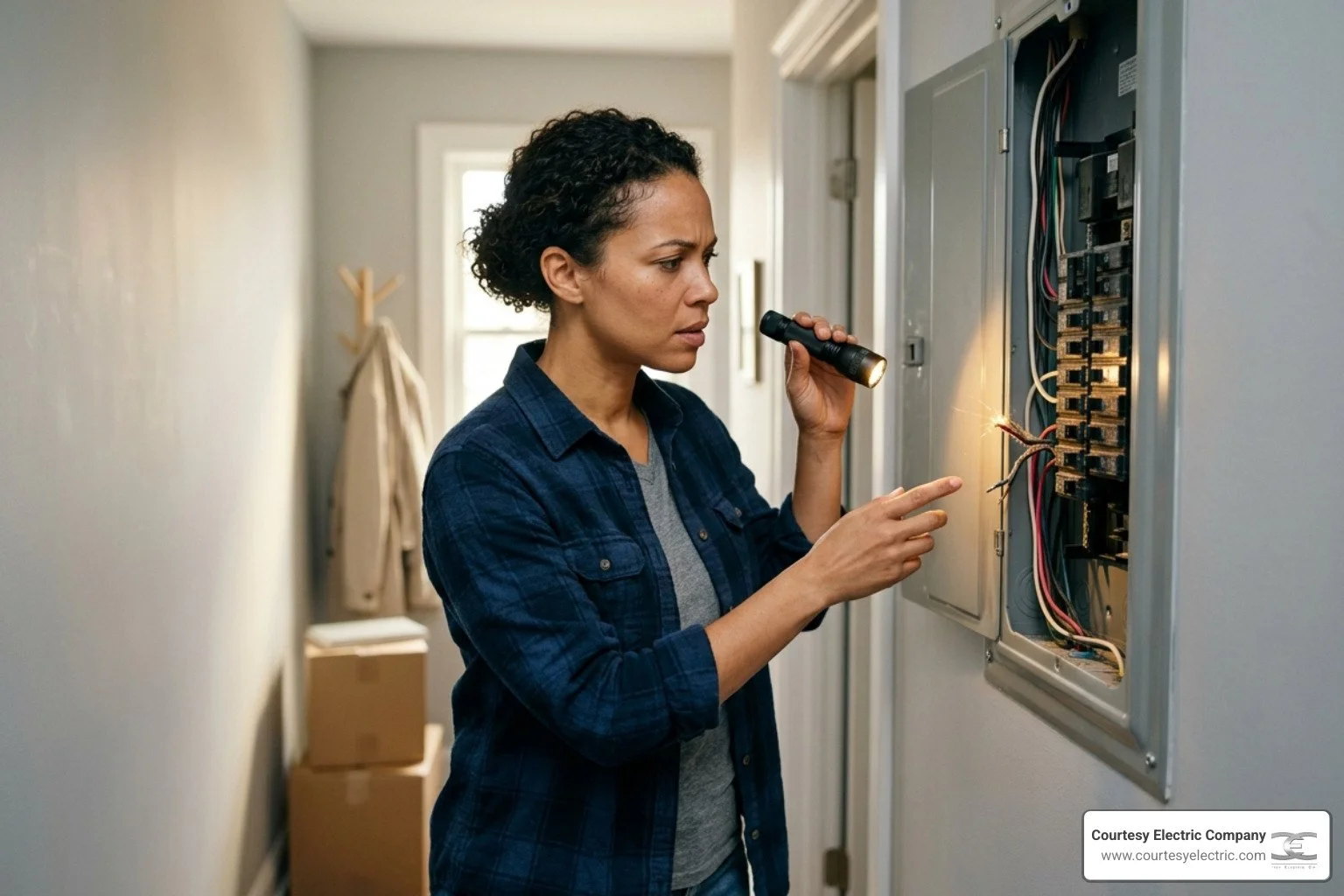
Your Home's Electrical System Is Talking — Are You Listening?
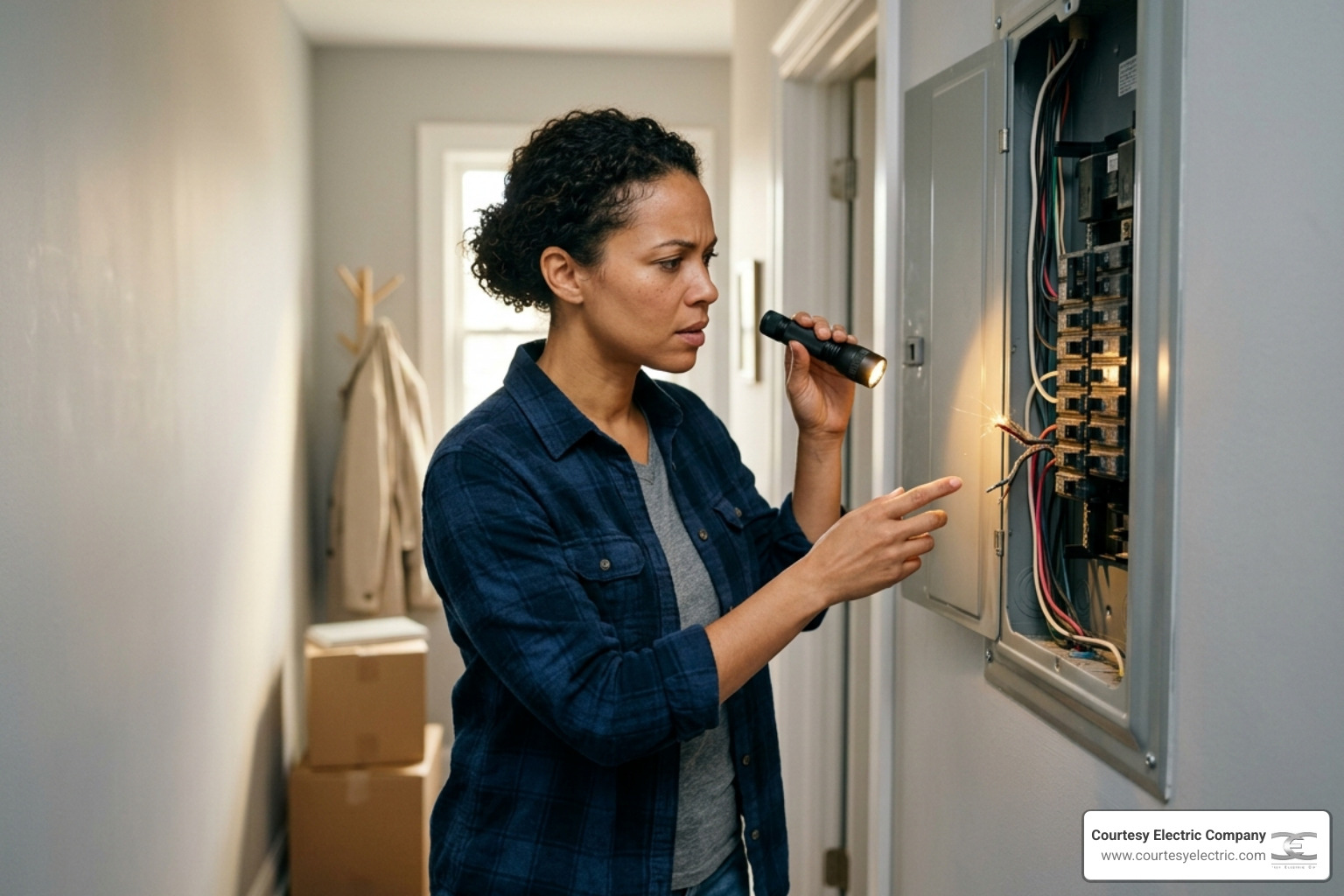
How to spot electrical problems before they become dangerous is something every homeowner should know — especially in older Colorado Front Range homes where wiring can quietly deteriorate behind walls for years.
Here are the most common warning signs to watch for right now:
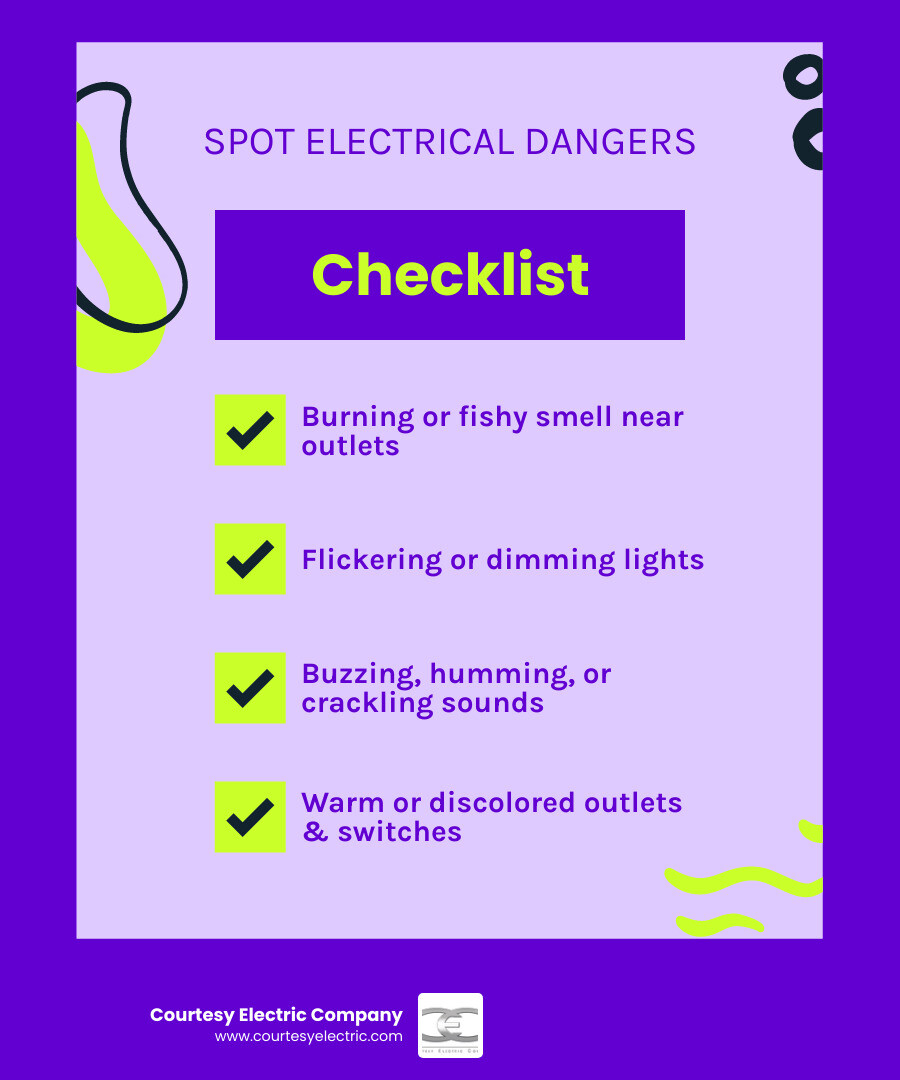
- Burning or fishy smell near outlets, switches, or panels — stop using the area and call an electrician immediately
- Flickering or dimming lights — often signals overloaded circuits or loose wiring connections
- Buzzing, humming, or crackling sounds from outlets or your panel — indicates arcing from loose or damaged wiring
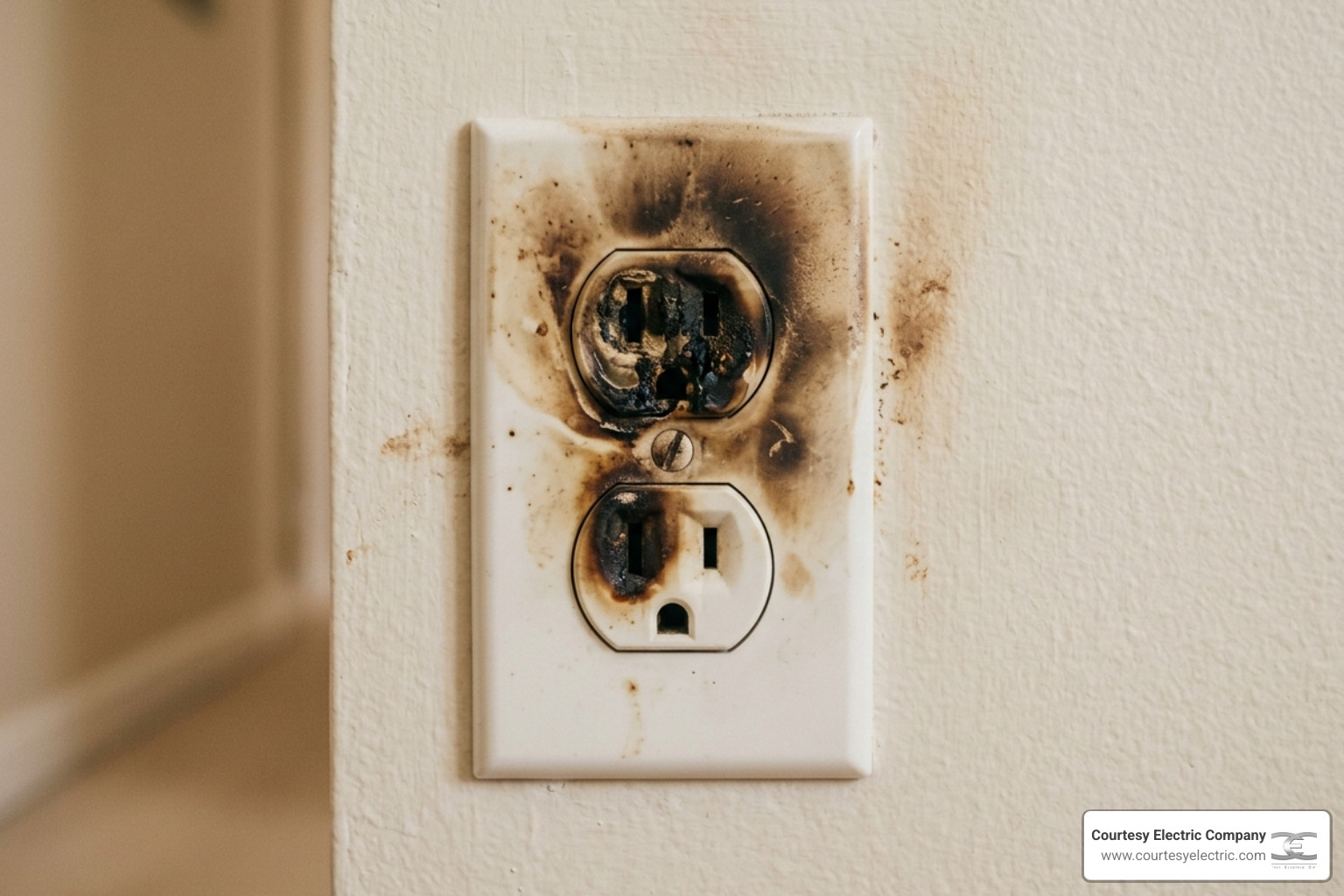
- Warm or discolored outlets and switch plates — a sign of overloading or faulty wiring that can cause fires
- Frequently tripping circuit breakers — your panel is telling you something is wrong, not just inconvenient
- Sparks from outlets or loose receptacles — stop using them immediately and have them inspected
- Two-prong outlets, aluminum wiring, or knob-and-tube systems — outdated wiring that can't handle modern electrical loads
- Missing GFCI outlets in kitchens, bathrooms, or outdoor areas — a serious shock hazard near water
- Heavy reliance on extension cords — a sign your home doesn't have enough circuits for your current needs
According to the Electrical Safety Foundation International, electrical malfunctions ignite more than 51,000 home fires every year in the United States. Most of those fires don't start without warning — they start after homeowners ignored early signals their system was under stress.
Electrical problems rarely appear out of nowhere. Your home gives you clues — smells, sounds, and visual signs — long before a dangerous situation develops. The key is knowing what those clues mean and acting on them quickly.
I'm David Meyer, Vice President of Courtesy Electric, a Colorado electrical contracting company with roots going back to 1976 — and knowing how to spot electrical problems before they become dangerous is something I've seen make the difference between a quick fix and a devastating fire. Let's walk through exactly what to look for in your home.
Sensory Red Flags: How to Spot Electrical Problems Before They Become Dangerous
When we talk about electrical safety in April 2026, we focus heavily on the sensory experience. Your eyes, ears, and nose are often the first line of defense in identifying a hazard. Electricity is designed to be a silent, invisible helper. When it starts making itself known through smells or sounds, it’s usually because energy is escaping where it shouldn’t.
A common sign of trouble is a "fishy" smell. While it sounds strange, many modern electrical components use plastic and heat-resistant chemicals that emit a distinct, acousitcally "off" or fishy odor when they begin to melt. If you smell something burning but can't find the source in the kitchen, check your outlets. This is a toxic indicator of damaged wiring hidden behind your drywall.
Visual cues like flickering or dimming lights are also major red flags. While we might joke about a "ghost" in the house, flickering is usually caused by a poor connection or an overloaded circuit. If your lights dim every time the refrigerator kicks on, your Electrical Service is struggling to keep up with the demand.
What Buzzing and Humming Indicates in Your Walls
Electricity should flow silently. If you hear a buzzing, humming, or crackling sound coming from a switch or an outlet, you are likely hearing "arcing." Arcing happens when electricity jumps across a gap in a circuit — essentially a tiny, continuous lightning strike inside your wall.
This is often caused by loose connections or frayed wiring. Over time, the vibration of the electrical current or the natural expansion and contraction of wires can loosen screws at the terminal. This creates resistance, which generates heat. If you notice these sounds, especially when using Landscape Lighting Maintenance Tips Fraser CO or high-power exterior features, it’s a sign of electrical wear that requires professional attention.
Why Burning Smells Require Immediate Action
If you detect a smell of burning plastic or ozone near your electrical panel or an outlet, this is a true emergency. It means the insulation on your wires is already melting. Once the insulation is gone, the raw wires can touch, creating a short circuit that can reach temperatures up to 35,000 degrees Fahrenheit.
Immediate steps to take:
- Shut off the power: Go to your breaker panel and turn off the circuit involved. If you can't tell which one it is, use the main shut-off.
- Unplug devices: Remove any appliances from the affected area.
- Evacuate if necessary: If you see smoke or the smell intensifies, get everyone out and call 911.
- Call a pro: An emergency inspection is the only way to ensure the fire hazard has been neutralized.
Why Your Circuit Breakers and Outlets Are Acting Up
Your circuit breaker is the "brain" of your home's safety system. Its only job is to trip and cut power when it detects too much current flowing through the wires. If your breakers trip frequently, it’s not just an annoyance; it’s a warning that you are exceeding the safe capacity of your home’s wiring.
Frequent tripping can be caused by:
- Overloaded Circuits: Plugging too many high-draw items (like space heaters or hair dryers) into one circuit.
- Short Circuits: A "hot" wire touching a neutral wire.
- Ground Faults: Electricity escaping the circuit to find a path to the ground (common in wet areas).
If you are setting up a high-performance area, such as a media room, following a Home Theaters Maintenance Guide Centennial CO can help you ensure you aren't overloading a single 15-amp circuit with speakers, projectors, and amplifiers.
How to Spot Electrical Problems Before They Become Dangerous in Your Kitchen and Bathrooms
Water and electricity are a deadly combination. This is why Ground Fault Circuit Interrupter (GFCI) outlets are required in kitchens, bathrooms, laundry rooms, and outdoor spaces. A GFCI monitors the flow of electricity and can shut off the power in as little as 1/40th of a second if it detects a leak.
You can identify these by the "Test" and "Reset" buttons on the face of the outlet. If your kitchen or bathroom lacks these, or if they don't pop when you hit the test button, you are at a high risk for electric shock. We recommend testing these monthly. If you have outdoor amenities, checking them against a Fire Features Maintenance Guide Granby CO ensures your exterior safety devices are also up to code.
The Danger of Sparks and Loose Receptacles
Are sparks from outlets normal? Usually, no. A tiny blue spark when you plug in a high-draw appliance can be normal (similar to static electricity), but a large spark, a "pop," or a yellow/white spark is a sign of a short circuit.
Loose receptacles are another hidden danger. If a plug feels wobbly or falls out of the outlet easily, the metal contact points inside have worn out. This creates a poor connection, which leads to arcing and heat buildup. This minor issue is a leading cause of electrical fires, but fortunately, it's a quick and inexpensive fix for a licensed electrician. Even when maintaining outdoor areas, such as using a Fire Features Maintenance Winter Park Guide, ensure all exterior plugs are seated firmly in weather-proof housings.
Identifying Outdated Wiring and Panel Risks in Older Denver Homes
The Denver Front Range is full of beautiful historic homes, but many still rely on outdated electrical infrastructure. If your home was built before 1970, there is a high probability that your wiring wasn't designed for the "always-on" digital world of 2026.
Aluminum Wiring: Common in homes built between 1965 and 1973, aluminum wiring expands and contracts more than copper. This causes connections to loosen over time, leading to a fire risk that is 55 times higher than copper-wired homes.
Knob-and-Tube: Found in homes from the 1880s to the 1940s, this system lacks a ground wire. It uses ceramic "knobs" and "tubes" to run wires through joists. While it was innovative then, it is dangerous now because the cloth insulation becomes brittle and flakes off, leaving bare wires exposed.
If you rely on backup power, like a standby generator, it is vital to follow a Generators Maintenance Guide Fraser CO to ensure your transfer switch and old wiring can handle the transition during a blackout.
Modern Breakers vs. Old Fuse Boxes
| Feature | Modern Circuit Breaker | Old Fuse Box |
|---|---|---|
| Safety | Automatically trips and can be reset | Fuses blow and must be replaced |
| Capacity | Designed for 100-200+ Amps | Often limited to 60 Amps |
| Risk | High reliability | High risk of "over-fusing" (fire hazard) |
| Insurance | Preferred by providers | May lead to denied coverage |
How to Spot Electrical Problems Before They Become Dangerous in Homes Over 50 Years Old
If your home is over 50 years old, the insulation on the wiring is likely reaching the end of its lifespan. Modern appliances like air fryers, EV chargers, and high-end HVAC systems pull much more power than the lights and radios of the 1950s.
Using a Generators Fraser CO Complete Guide can help you understand how a modern backup system integrates with an older home, but often, a full panel upgrade is the first step. Insurance companies in Colorado are increasingly refusing to cover homes with ungrounded two-prong outlets or active knob-and-tube systems because the fire risk is simply too high.
When to Consider a Panel Upgrade or Smart System
Your electrical panel is the heart of your home. If you see rust or corrosion on the outside of the panel, it is almost certain there is moisture damage on the inside. Moisture leads to resistance, resistance leads to heat, and heat leads to fire.
In 2026, we are seeing a massive shift toward smart panels like the SPAN panel. These allow you to monitor your energy usage in real-time from your phone and prioritize which circuits stay on during a power outage. If you are investing in Battery Storage Maintenance in Winter Park CO, a smart panel helps you stretch your battery life significantly. Combining this with the Best Generators Services in Fraser CO ensures your Front Range home remains powered and safe regardless of the weather.
Proactive Steps to Protect Your Front Range Property
One of the biggest mistakes homeowners make is the long-term use of extension cords. Extension cords are intended for temporary use — think holiday lights or a weekend project. They are not designed to be permanent wiring. If you have cords running under rugs or stapled to baseboards, you are creating a friction and heat hazard.
Heavy reliance on power strips is also a sign that your home needs more outlets. "Daisy-chaining" (plugging one power strip into another) is a major fire code violation. If you find yourself doing this in your home office or entertainment center, refer to Home Theaters Maintenance Tips Granby CO for advice on proper power distribution.
The Consumer Product Safety Commission recommends a professional electrical inspection every 10 years. If you’ve recently added a Battery Storage Maintenance Guide Granby CO routine to your home care, it’s the perfect time to have a licensed electrician look at the rest of your system.
Frequently Asked Questions about Home Electrical Safety
Why do my lights dim when the vacuum starts?
This usually happens because the vacuum and the lights are on the same circuit. The vacuum requires a large "surge" of power to start its motor, which causes a momentary voltage drop for everything else on that wire. While common, it indicates that your circuits are near their capacity. We often recommend installing dedicated lines for high-draw appliances to prevent this.
Are small sparks from an outlet ever normal?
A quick, blue flash when you plug something in is often just a "spark of connection" as the circuit is completed. However, yellow or white sparks, sparks that last longer than a split second, or sparks accompanied by a "pop" or burning smell are signs of a short circuit or a faulty outlet.
How often should I test my GFCI outlets?
You should test them once a month. Simply press the "Test" button — you should hear a click and the "Reset" button should pop out. If the power doesn't cut off, or if the button won't stay in when you reset it, the GFCI is faulty and must be replaced immediately to protect you from shocks.
Conclusion
At Courtesy Electric Company, we believe your home should be a sanctuary, not a source of stress. Since 1976, we’ve helped Denver and Front Range families stay safe by modernizing their electrical systems, from simple outlet repairs to installing sophisticated Generac generators and SPAN smart panels.
Knowing how to spot electrical problems before they become dangerous is the first step in responsible homeownership. If you’ve noticed any of the signs we discussed — the smells, the sounds, or the flickering lights — don’t wait for a "more convenient" time to fix it. Electrical issues only get more expensive and more dangerous the longer they are ignored.
Whether you are in Parker, Highlands Ranch, or the Black Forest, our team is ready to provide quality installations and peace of mind. Contact us today for a free estimate and let’s make sure your home’s electrical system is working for you, not against you.


