
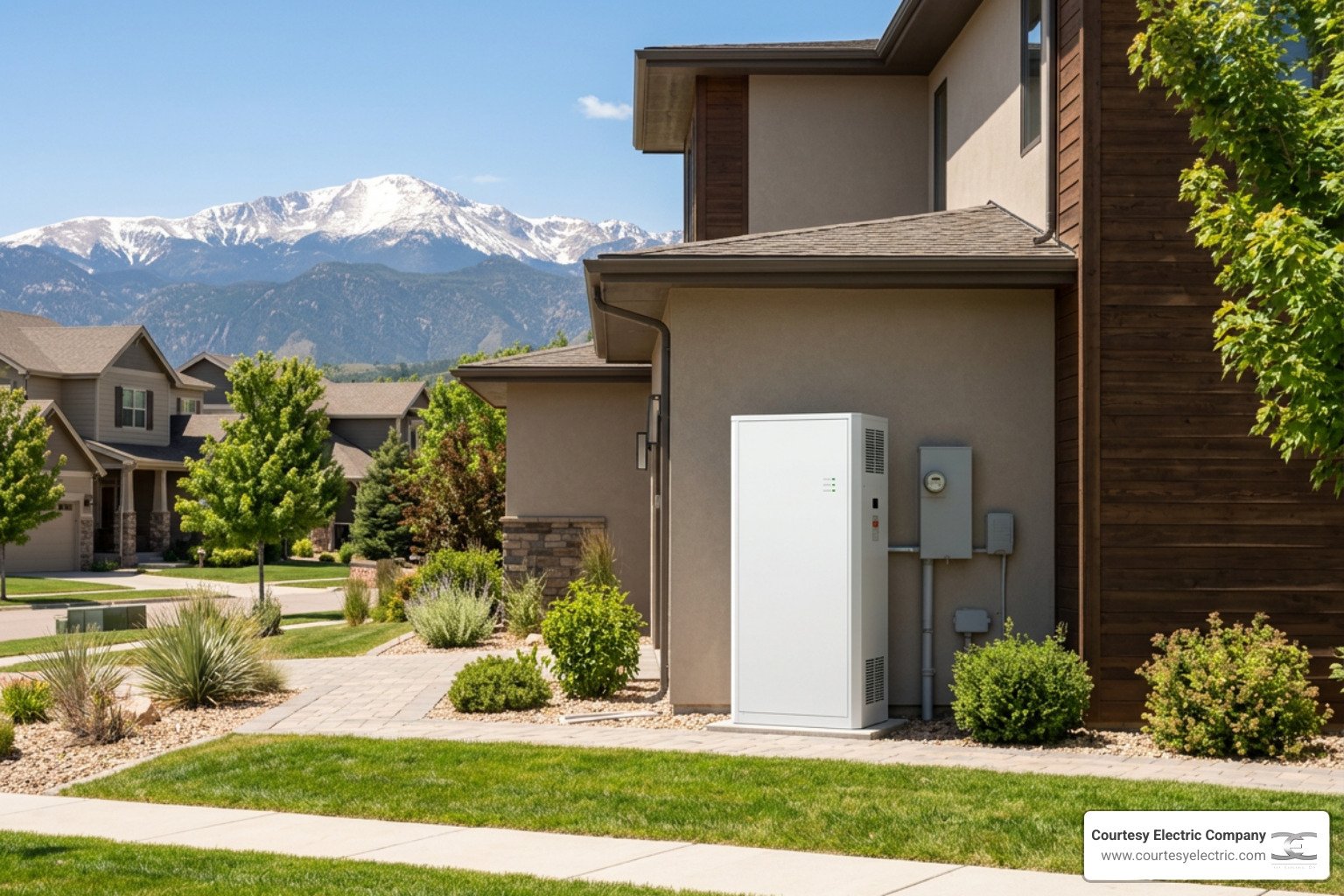
Is Franklin Battery Storage Worth the Cost? A Colorado Homeowner's Honest Look
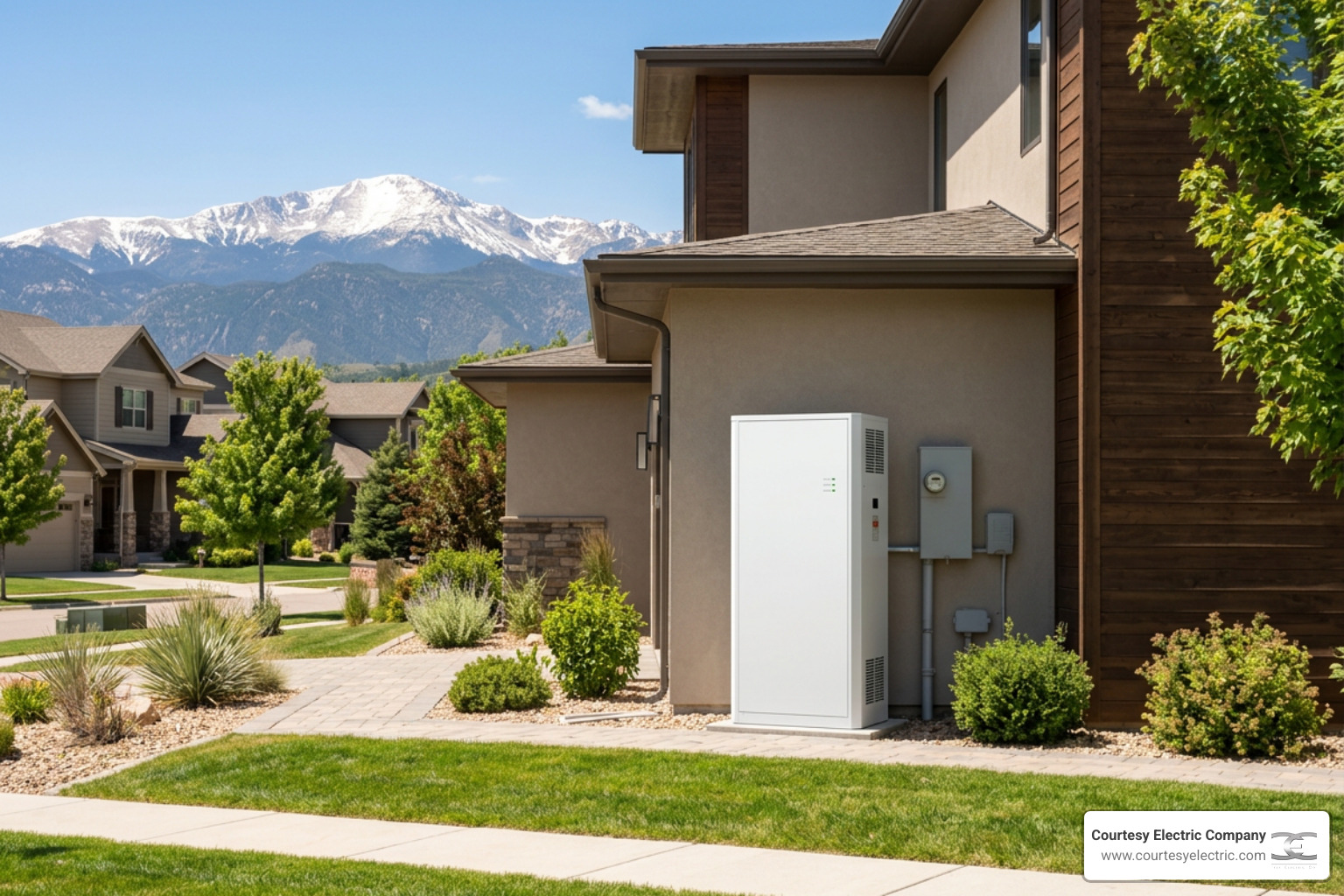
When weighing franklin battery storage cost vs value, here is what Colorado Front Range homeowners need to know upfront:
Quick Answer:
- A single FranklinWH aPower system uses LFP chemistry, delivers 13.6–15 kWh of usable storage, and provides whole-home backup capability
- Installed costs vary based on system size, labor, permitting, and whether you are pairing with solar
- Long-term value comes from energy bill savings, outage protection, and available incentives that can meaningfully reduce your net investment
- Homes in time-of-use rate territories or areas with unreliable grid access tend to see the strongest financial return
- Stacking multiple units lowers the cost per kWh and improves whole-home resilience
Utility rates across Colorado keep climbing, and grid outages on the Front Range are becoming harder to ignore. More homeowners are asking a practical question: does a home battery system actually pay off, or is it just an expensive insurance policy? The answer depends heavily on your local utility structure, how you use energy at home, and how well the system you choose holds up over time. Franklin battery storage has emerged as a serious contender in that conversation — built on LFP chemistry, designed to scale, and engineered to handle real-world loads like central HVAC and well pumps. But understanding the full picture means looking past the equipment specs and into the total installed investment, available incentives, and the realistic savings you can expect in a Colorado climate.
I'm David Meyer, Vice President of Courtesy Electric — a Colorado electrical contractor with roots going back to 1976 — and evaluating franklin battery storage cost vs value is something I do regularly for homeowners across the Denver metro and Front Range. In the sections ahead, I'll walk you through every layer of that equation so you can make a confident, informed decision.
Evaluating Franklin Battery Storage Cost vs Value for Colorado Homeowners
When evaluating any clean energy upgrade, the core question is whether the upfront capital investment translates into tangible, long-term security and financial return. For homeowners in Denver, Parker, Highlands Ranch, and Black Forest, Colorado, the local climate and utility landscape play a massive role in this decision. Between heavy spring snowstorms that weigh down power lines and intense summer heatwaves that strain the local grid, power reliability is no longer something we can take for granted.
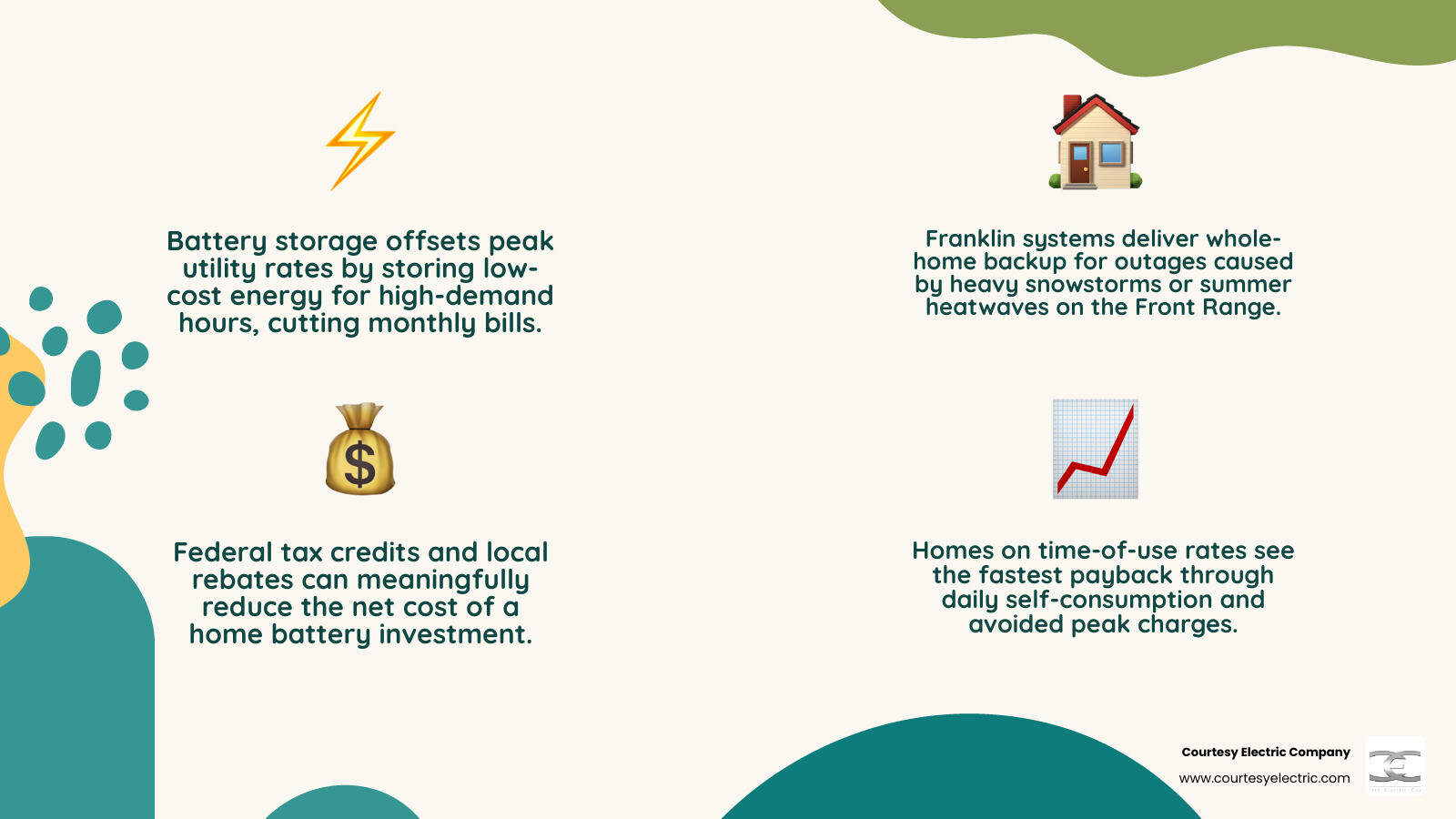
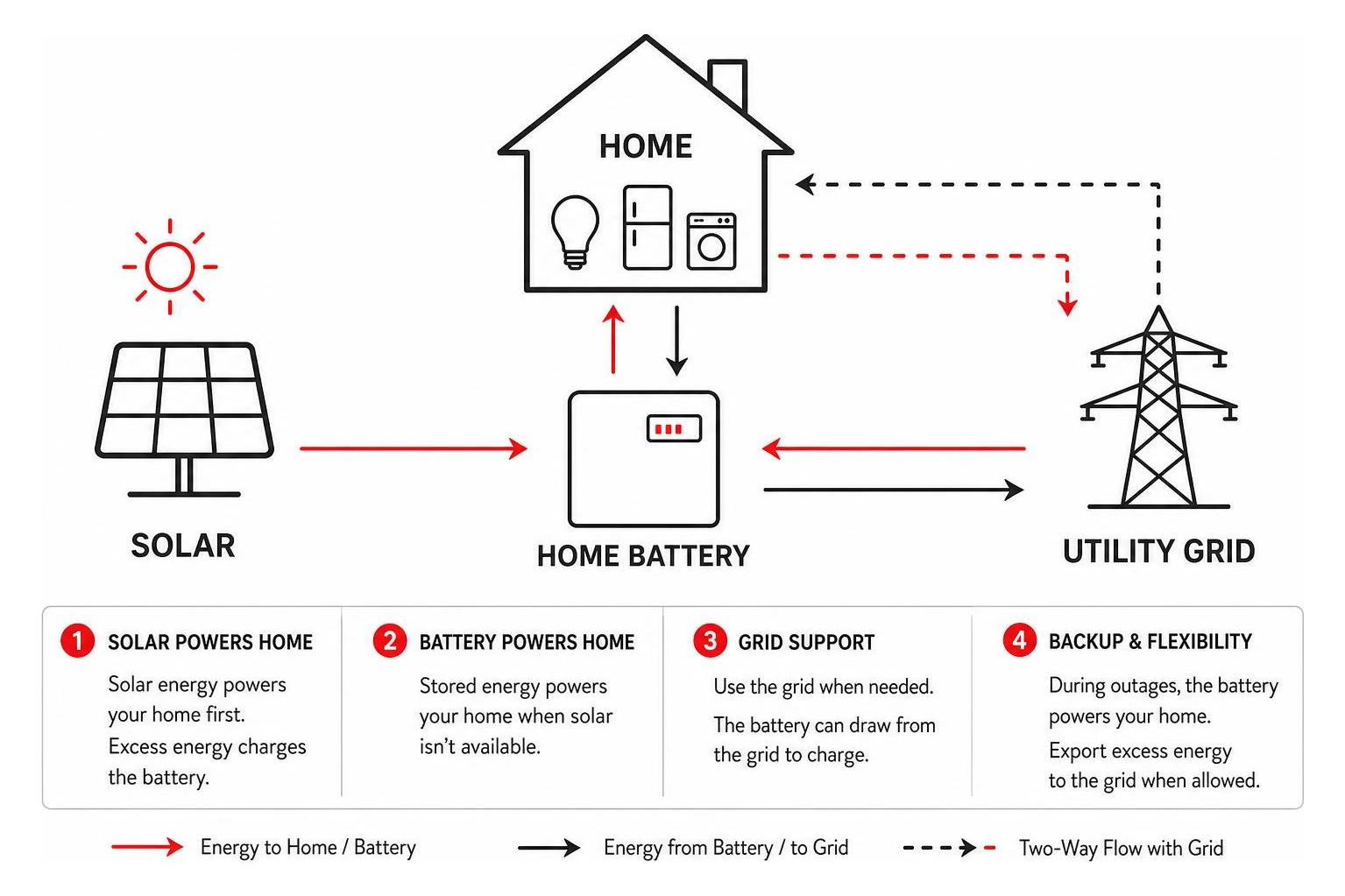
But beyond basic emergency preparedness, there is a clear financial mechanism at play. To determine if the investment makes sense for your home, you must look at how stored energy offsets your monthly utility bills. By storing excess power when rates are low (or when your solar panels are producing at their peak) and discharging that power during peak-rate hours, you can significantly lower your monthly electric bills. In fact, when looking closely at whether is home battery storage worth it in colorado, the combination of daily bill management and seamless emergency backup is what tips the scale from a luxury purchase to a practical home asset.
Understanding the Upfront Investment and Long-Term Value
The total investment for a home battery system is determined by several interconnected components. It is helpful to think of the system as two primary parts: the physical storage units (the batteries themselves) and the intelligent management hardware that controls them.
For a standard FranklinWH installation, the project scope includes:
- The aPower Battery Unit: This is the physical energy storage device. It utilizes Lithium Iron Phosphate (LFP) chemistry, which is widely recognized as the safest and most durable chemistry available for residential applications.
- The aGate Smart Controller: This is the "brain" of the system. It manages the connection between your home, your solar panels, the battery, and the utility grid. It also handles grid isolation during an outage, ensuring your home remains powered safely without sending electricity back into the grid.
- Labor, Engineering, and Permitting: Installing a high-capacity battery system requires specialized electrical work, structural or wall-mount preparation, local building permits, and utility interconnection agreements.
When analyzing the franklin battery storage cost vs value equation, scaling is a critical factor. Installing a single battery unit requires a baseline investment in the smart gateway, electrical subpanels, and permitting. However, if you choose to stack multiple battery units, the incremental cost of the additional storage capacity is significantly lower because the foundational electrical infrastructure is already in place. This means a multi-battery stack offers a much better relative value per kilowatt-hour of storage than a single-unit installation. To explore how these components fit together in detail, you can consult our home battery storage complete guide.
Maximizing Your Return with Local Utility Incentives
One of the most effective ways to accelerate your return on investment is by taking advantage of federal and local financial incentives. Even in 2026, residential energy storage remains highly supported by public policy, making these systems much more accessible.
First and foremost is the federal residential clean energy credit. This incentive allows homeowners to claim a 30% tax credit on the total cost of the system, including equipment, labor, and necessary electrical upgrades. Because the credit applies to standalone battery storage systems with a capacity of 3 kWh or greater, you do not even need to have solar panels installed to qualify. You can read more about how to navigate these tax advantages in our guide on federal tax credits for battery storage and span panels.
Additionally, local Colorado utilities offer programs that further improve the financial equation. For example, Xcel Energy's Renewable Battery Connect program provides upfront incentives or ongoing annual credits for homeowners who allow their batteries to occasionally support the grid during periods of extreme electricity demand. When you stack these local utility rebates with the 30% federal tax credit, the net investment drops substantially, allowing you to recoup your initial costs much faster through monthly bill savings.
Key Factors That Drive the Value of Your Home Energy Storage
To truly appreciate the value side of the equation, we have to look under the hood. Not all home batteries are engineered the same way, and the physical design of the system directly impacts how much work it can perform for your household.
The FranklinWH system stands out due to its heavy-duty performance characteristics. Each unit delivers a high continuous power output and an exceptional peak surge capacity. In practical terms, this means the system can handle the high starting currents (often measured as Locked Rotor Amperage, or LRA) required by large household appliances. While some standard home batteries struggle to start up a 3-ton central air conditioner or a deep well pump during a blackout, the FranklinWH system is designed specifically to handle these demanding startup surges.
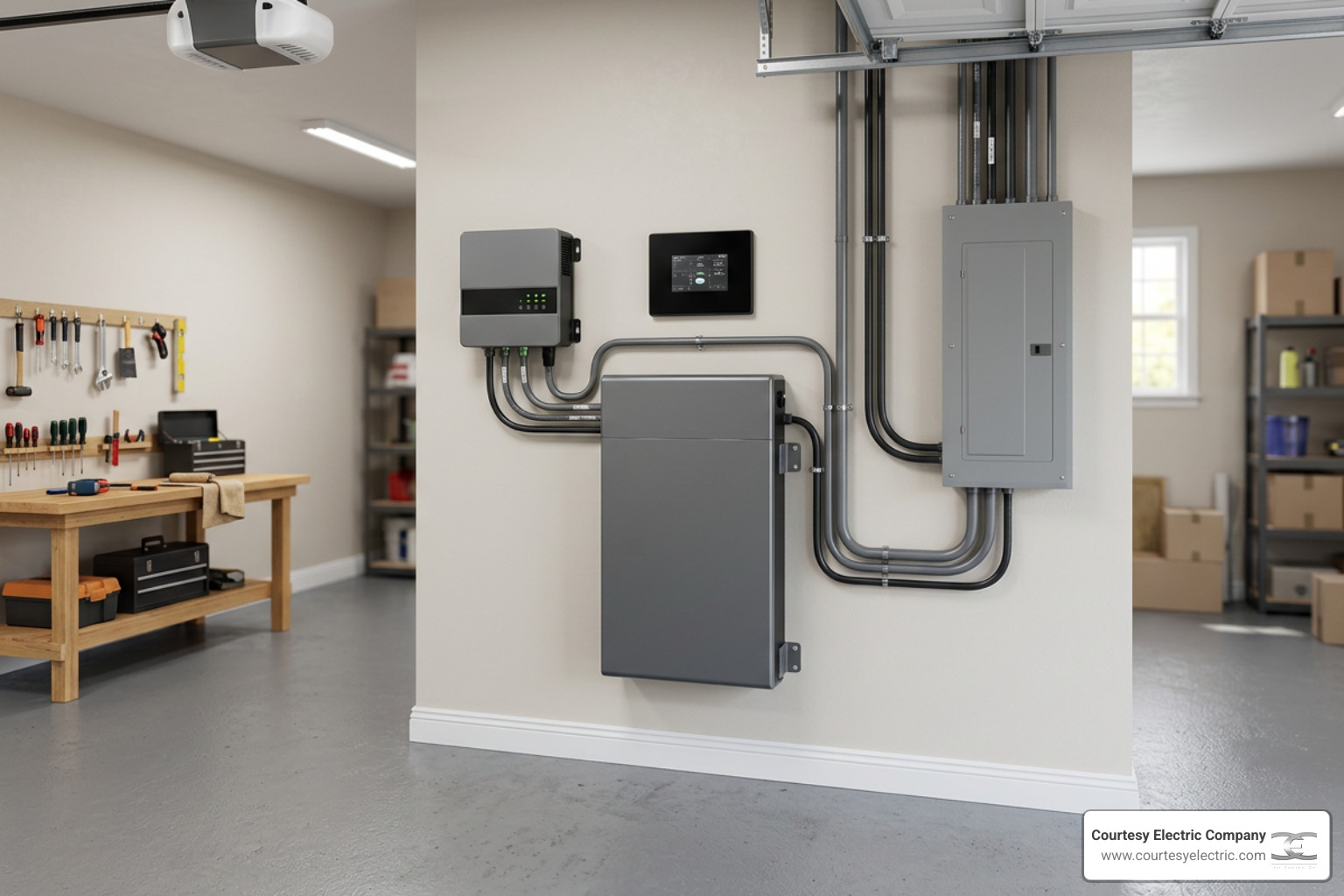
Furthermore, the system features a dedicated "black start" capability. If an extended winter storm drains your battery completely overnight, the system reserves a small portion of its internal energy to reboot itself and your solar inverters as soon as the sun rises the next morning, preventing you from being stranded with a dead system. To see how these technical advantages translate into daily home comfort, check out our article where the franklin battery storage benefits explained in greater detail.
How Smart Circuits Optimize Franklin Battery Storage Cost vs Value
A common challenge with home backup power is that standard batteries can drain quickly if you try to power your entire house without restrictions. This is where the aGate's smart circuit management provides immense value.
The smart gateway allows you to designate specific electrical circuits as "smart circuits." During a power outage, the system automatically monitors your battery level and can dynamically turn off non-essential loads — such as pool pumps, clothes dryers, or guest bedroom air conditioning — to preserve power for your refrigerator, medical equipment, and heating system.
This level of control can be enhanced even further when paired with an intelligent electrical panel, such as a SPAN smart panel. By combining smart battery storage with advanced energy management, you can customize your backup priorities on the fly using a smartphone app. This prevents you from having to buy multiple extra batteries just to back up your whole home, optimizing your upfront investment while maximizing your runtime. To understand the relationship between load management and utility savings, read about how energy management reduces your electric bill.
Long-Term Durability and Warranty Protections
A battery is only as valuable as its lifespan. If a system degrades significantly after just a few years, its long-term financial return vanishes. This is why the underlying battery chemistry is so important.
FranklinWH uses Lithium Iron Phosphate (LFP) cells, which offer several distinct advantages over traditional Nickel Manganese Cobalt (NMC) chemistries:
- Thermal Stability: LFP chemistry is highly resistant to thermal runaway, making it incredibly safe for indoor or garage installations.
- Deep Discharge Cycles: You can repeatedly discharge the battery to 100% of its usable capacity without causing the rapid degradation common in older battery types.
- Extended Cycle Life: LFP batteries typically support thousands of full charge and discharge cycles before showing any noticeable drop in capacity.
This durability is backed by an exceptional manufacturer's warranty. The FranklinWH system comes with a 12-to-15-year warranty (depending on the specific model configuration) that guarantees a high percentage of original capacity retention, alongside a generous energy throughput limit. Because these systems are designed to operate reliably for 15 to 20 years with minimal maintenance, they represent a highly stable, long-term asset for your home. For tips on keeping your system running at peak performance, you can review our battery storage maintenance guide granby co.
Integrating Battery Storage with Other Home Power Solutions
For many Front Range homeowners, energy independence is not an all-or-nothing choice between solar batteries and traditional backup generators. In fact, the strongest backup systems often combine multiple technologies to create a resilient, multi-layered home power grid.
| Feature | FranklinWH Battery Storage | Standby Generator (Generac/Cummins) |
|---|---|---|
| Primary Fuel Source | Solar Power / Grid Electricity | Natural Gas / Liquid Propane |
| Transfer Time | Instantaneous (Seamless backup) | 10–20 Seconds |
| Maintenance Needs | Extremely Low (No moving parts) | Annual engine servicing & oil changes |
| Daily Financial Value | High (TOU arbitrage & self-consumption) | Low (Only operates during blackouts) |
| Outage Duration | Dependent on battery capacity & solar | Indefinite (As long as fuel is supplied) |
As shown in the table above, both systems have unique strengths. While a battery provides silent, instantaneous backup and daily financial utility, a standby generator offers unlimited runtime during extended, multi-day grid failures. For a deep dive into comparing these two options, see our guide on battery storage vs generator which is better for backup.
Balancing Franklin Battery Storage Cost vs Value with Standby Power
If you live in a rural or heavily forested area like Black Forest, or in parts of the Front Range prone to severe winter weather, you might experience outages that last for several days. In these scenarios, relying solely on a battery can be risky if consecutive cloudy days limit your solar panels' ability to recharge the system.
The FranklinWH platform solves this problem through its built-in generator integration. The aGate smart controller can connect directly to a standby generator, managing both power sources simultaneously. When the grid goes down, the battery provides immediate, seamless power so your lights never flicker. If the outage continues and the battery drops to a pre-set threshold, the system automatically signals the generator to start up, powering your home while recharging the battery. This hybrid approach minimizes generator fuel consumption, reduces engine wear, and guarantees that your home has continuous power regardless of the weather. To compare the economics of these systems, read our standby generator vs battery backup cost comparison.
Seamless Installation and System Configuration
Integrating advanced energy storage into your home requires careful planning and professional execution. Because the FranklinWH system utilizes an AC-coupled architecture, it is incredibly flexible. It can be paired with a brand-new solar installation, retrofitted onto an existing solar panel system, or even installed as a standalone backup system without solar panels.
However, the physical installation involves more than just mounting the battery to a wall. Depending on the age of your home's electrical system, you may need an electrical panel upgrade to accommodate the new power flows. Additionally, local building departments in Denver, Parker, and Highlands Ranch have strict permitting and safety codes regarding battery placement, rapid shutdown capabilities, and structural mounting. Working with an experienced, licensed electrical contractor ensures that your system is sized correctly, permitted properly, and installed safely. For a step-by-step look at what to expect during the physical setup, consult our battery storage installation guide centennial co.
Frequently Asked Questions About Home Battery Storage
How does a home battery backup system work during a grid outage?
When a grid outage occurs, the smart gateway instantly detects the loss of utility power and physically isolates your home’s electrical system from the grid. This process happens in a fraction of a second, meaning your household appliances continue running without interruption. Once isolated, the battery system acts as a microgrid, supplying stored power to your home and allowing your solar panels to continue generating electricity safely. To learn more about this process, see our guide on how does a home battery backup system work.
What utility rate structures offer the fastest payback period?
The fastest payback periods occur under Time-of-Use (TOU) rate structures and avoided-cost net billing systems. Under TOU rates, your utility charges significantly more for electricity during peak evening hours. By charging your battery during the day when solar power is abundant (or when grid rates are lowest) and discharging it to power your home during expensive evening hours, you avoid paying high peak rates. Similarly, in areas where utilities do not offer full-retail net metering, storing your excess solar power for personal use is far more valuable than exporting it back to the grid for a minimal credit.
Can I add a battery to my existing solar panel system?
Yes. Because the FranklinWH system is AC-coupled, it is highly compatible with existing solar installations. It does not require you to replace your current solar inverter, making it an excellent option for retrofitting. The aGate controller simply sits between your existing electrical panel, your solar inverter, and the grid, managing the flow of power seamlessly without affecting your existing solar warranty.
Conclusion
Investing in home energy storage is about more than just keeping the lights on; it is about taking control of your home’s energy future. When you weigh the franklin battery storage cost vs value, the combination of robust LFP chemistry, intelligent smart-circuit management, and seamless generator integration makes it an incredibly versatile solution for Colorado's unique climate and utility structures.
At Courtesy Electric Company, we have been serving the Denver metro area and the Colorado Front Range for decades. Whether you are looking to install a standalone battery backup, pair storage with a new solar array, or upgrade your home with a SPAN smart panel and a standby generator, our team of experienced professionals is here to design and install a system tailored to your specific needs.
If you are ready to protect your home from rising utility rates and unexpected grid outages, contact us today to schedule a consultation. We provide professional, end-to-end service and offer free estimates on all of our installations. Learn more about how we can help secure your home’s power by visiting Courtesy Electric Company's electrical services.


