
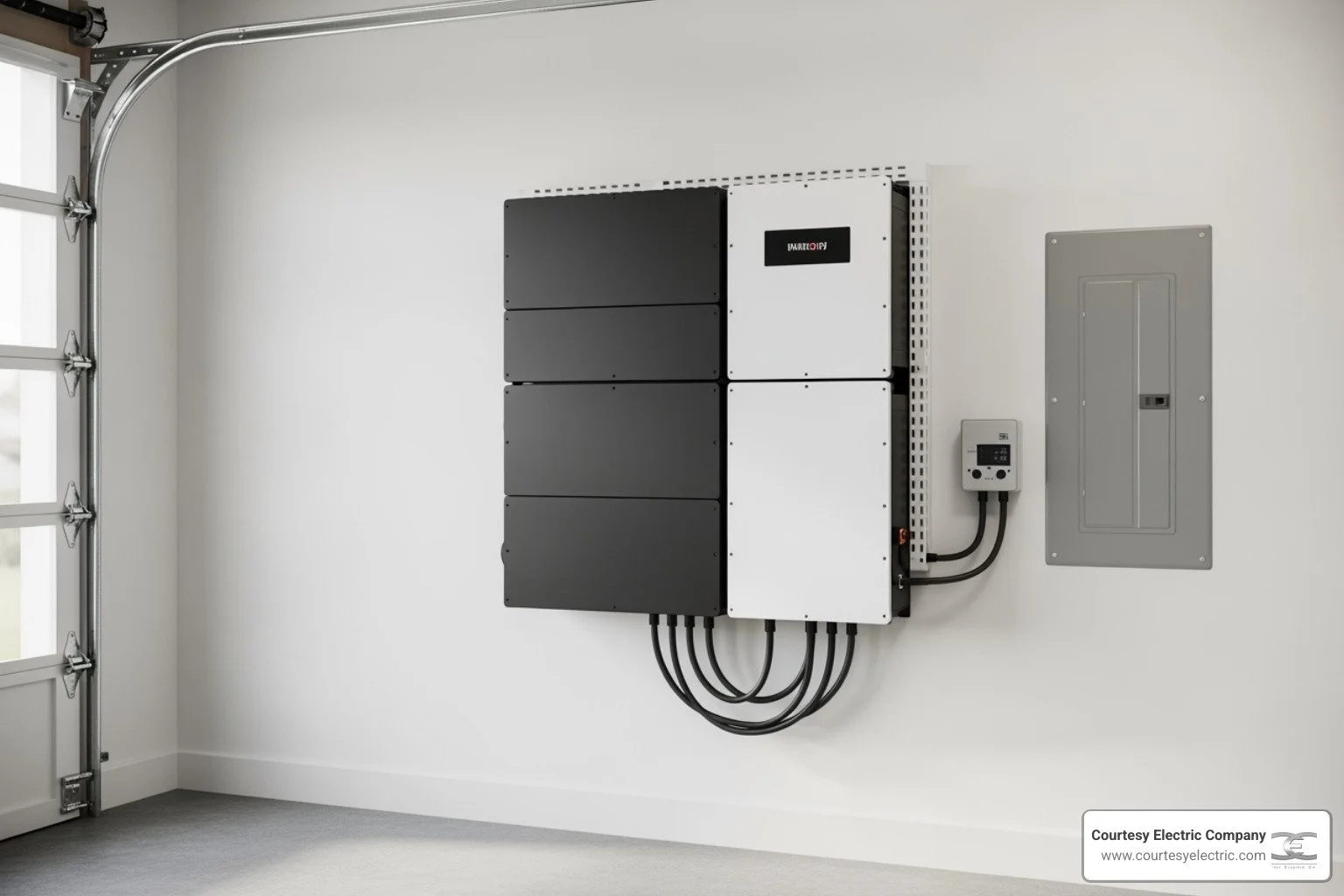
Is Home Battery Storage Worth It in Colorado? Here's What Front Range Homeowners Need to Know
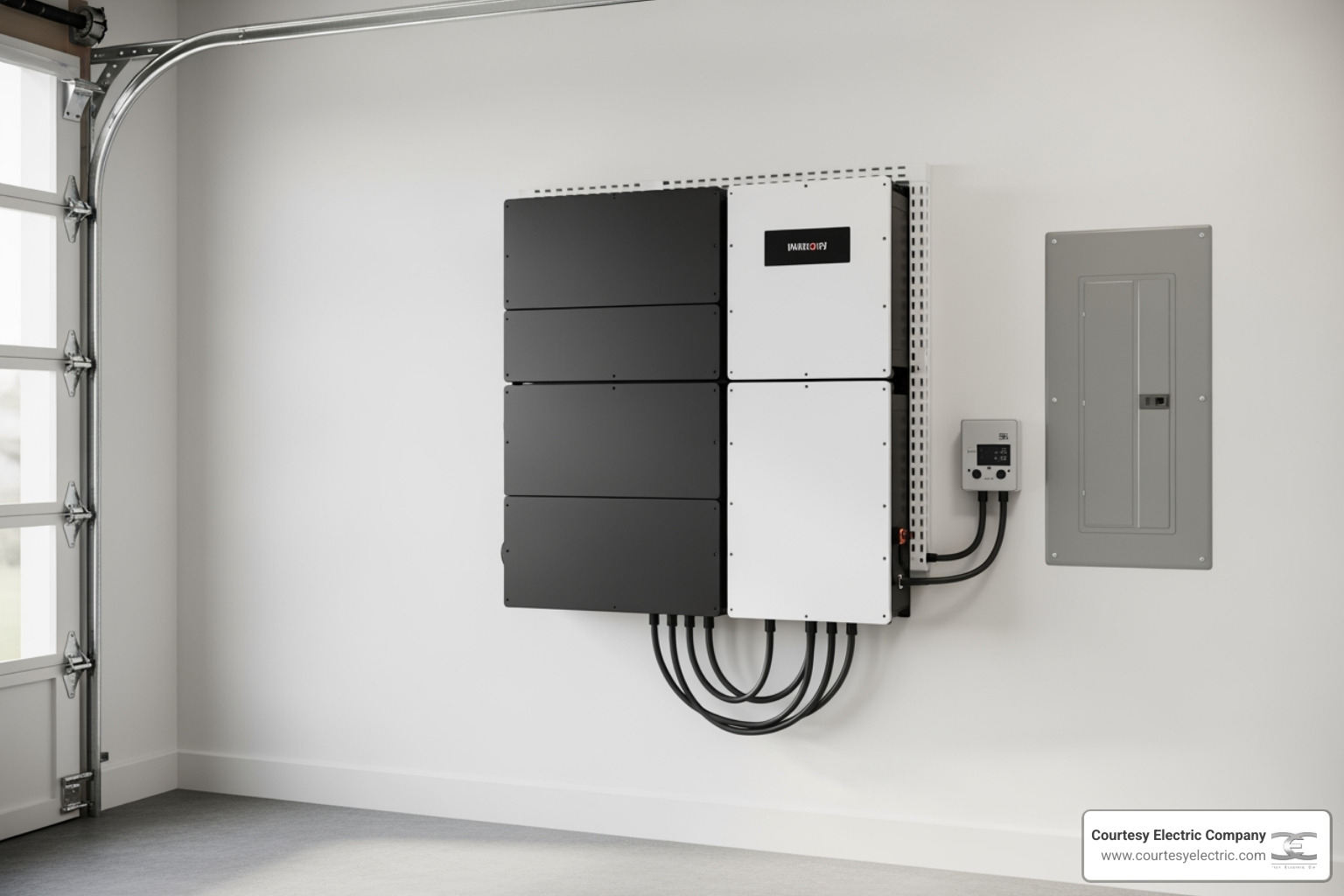
Is home battery storage worth it in Colorado? For most Front Range homeowners, the answer is yes — and the case is getting stronger every year. Here's a quick snapshot of why:
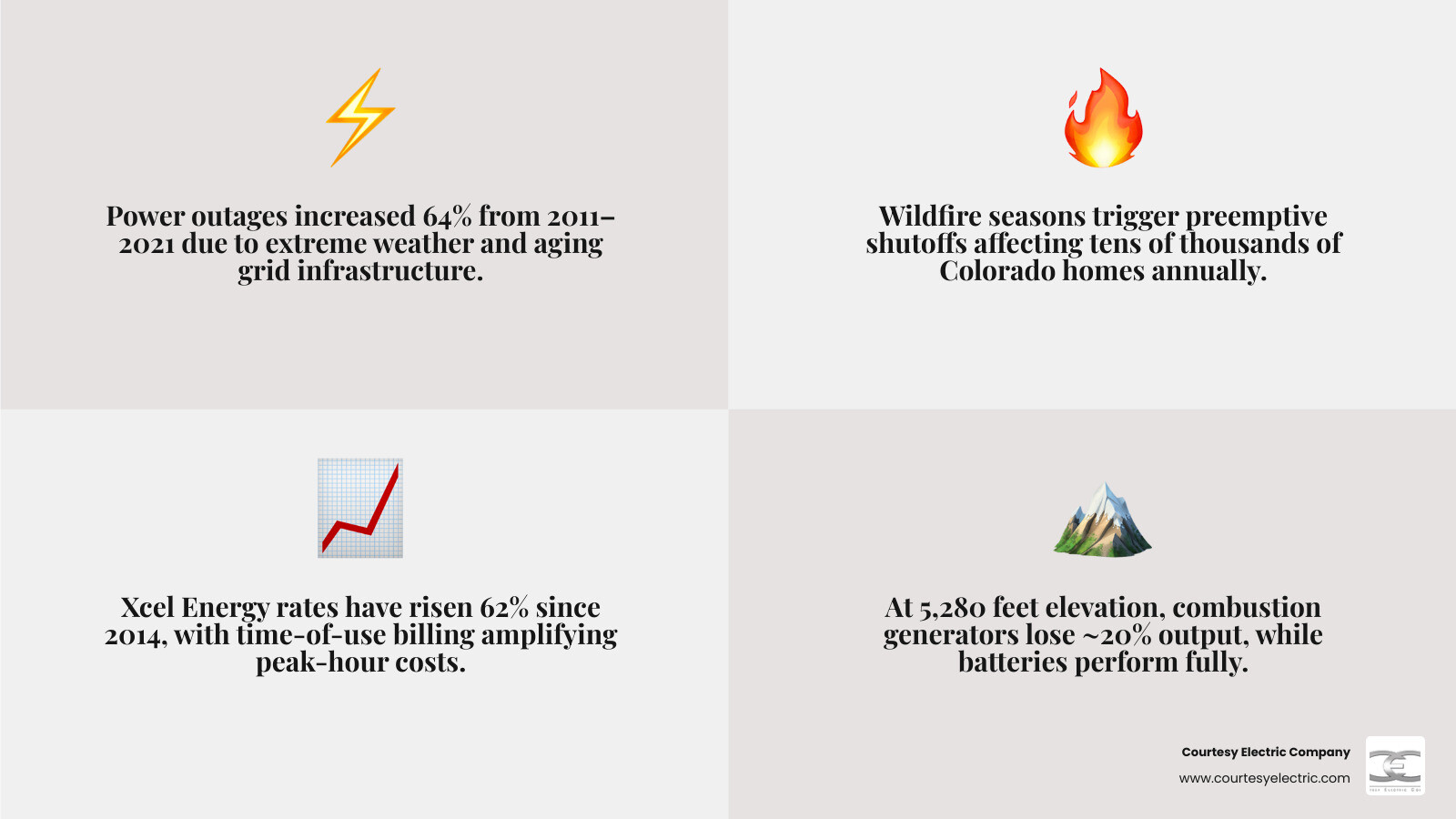
- Grid reliability is declining. Power outages increased 64% from 2011–2021, and Colorado's wildfire seasons are triggering preemptive shutoffs affecting tens of thousands of homes at a time.
- Utility rates keep climbing. Xcel Energy rates have risen roughly 62% since 2014, and time-of-use billing is now the default for many residential customers — meaning when you use power matters as much as how much you use.
- Incentives reduce the cost significantly. A 10% Colorado state income tax credit on qualifying battery equipment, a property tax exemption, and a sales tax exemption all lower your real out-of-pocket investment.
- Batteries outperform generators at altitude. Denver sits at 5,280 feet, where combustion generators lose roughly 20% of their rated output. Battery systems aren't affected by thin air.
- Payback periods are real. Solar-plus-battery systems typically pay back in 7–11 years, with annual savings of $800–$1,200 from reduced grid consumption.
The bigger picture: Colorado's climate, utility rate structure, and wildfire risk create a unique set of conditions that make battery storage more than just a nice-to-have — it's increasingly a practical investment in your home's resilience and long-term energy costs.
I'm David Meyer, Vice President of Courtesy Electric, a Colorado electrical contractor with roots going back to 1976, and I've spent years evaluating whether home battery storage is worth it in Colorado — installing backup energy systems across Denver and the Front Range for homeowners who want reliability, not guesswork. Let's walk through everything you need to make a confident decision.
Why Home Battery Storage is Worth It in Colorado for Energy Resilience

When we talk about whether a battery is "worth it," we have to look beyond just the monthly bill. In the Front Range, energy resilience has become a top priority. Our grid is facing unprecedented strain from extreme weather events, aging infrastructure, and rapidly increasing demand. Between 2011 and 2021, weather-related power outages surged by 64% compared to the previous decade.
For homeowners in areas like Centennial or the high country near Winter Park, a power outage in January isn't just an inconvenience; it’s a safety risk. When the temperature drops below zero, losing your furnace or your well pump can lead to frozen pipes and a dangerously cold home. By integrating a system like Franklin battery storage, you create a "moat" around your home’s energy supply.
For more localized insights, you can explore our Battery Storage Guide Centennial CO or our Winter Park CO Battery Storage Guide.
Essential Backup During Grid Instability
The traditional grid is a "use it or lose it" system. If the lines go down due to a heavy spring snowstorm or a high-wind event, your home goes dark. Modern battery systems feature advanced "Storm Watch" technology. These systems monitor National Weather Service data in real-time. If a severe storm is detected, the battery automatically charges to 100% capacity from the grid or solar panels, ensuring you have the maximum possible "fuel" before the first snowflake hits the ground.
During an outage, the switchover happens in less than 20 milliseconds—so fast that your clocks won't even blink. We help our clients identify "critical loads," such as refrigeration, medical equipment, Wi-Fi, and basic lighting, to ensure your most vital systems stay online for days, not just hours.
Protecting Your Home from Wildfire-Related Shutoffs
Wildfire mitigation has changed the way Colorado utilities operate. In April 2024, a major utility preemptively cut power to 55,000 residents to reduce the risk of power lines sparking a fire during high-wind conditions. These Public Safety Power Shutoffs (PSPS) are becoming a standard tool for wildfire prevention.
If you live in a high-risk zone, a battery allows you to maintain food preservation and safety lighting even when the utility decides the grid is too dangerous to keep energized. It provides peace of mind that no gas-fired generator can match, especially when local fire restrictions might limit fuel storage on your property.
Maximizing Savings with Time-of-Use (TOU) Rate Plans
The financial landscape of electricity in Colorado changed significantly when Xcel Energy and other local utilities moved to Time-of-Use (TOU) billing. Under these plans, electricity is significantly more expensive during "peak" hours—typically in the late afternoon and evening when demand is highest.
Is home battery storage worth it in Colorado for TOU billing?
This is where the ROI of a battery really shines. Without a battery, your solar panels produce the most energy at midday when you are often away and rates are low. You then buy back expensive power from the grid at 6:00 PM to cook dinner and run the AC.
With a battery, you practice "TOU Arbitrage." You store that excess midday solar energy and discharge it during the 3:00 PM to 7:00 PM window (or whenever your utility’s peak rates hit). Homeowners using this strategy can save up to 40% more annually compared to those with solar panels alone. By reducing your reliance on the grid during the most expensive times of day, you can see annual savings between $800 and $1,200.
To learn more about how these systems are set up, check out our Battery Storage Installation Guide Centennial CO and our Battery Storage Installation Fraser CO Tips.
Integrating Smart Panels for Advanced Load Shifting
To truly master your energy usage, we often recommend pairing a battery with a SPAN smart panel. Traditional electrical panels are "dumb"—they can't tell the difference between a toaster and a Tesla charger. A smart panel gives you circuit-level control from your phone.
If you are running on battery power during an outage, you can remotely turn off non-essential circuits (like the guest bedroom or the dishwasher) to extend your battery life for the essentials. This level of monitoring and demand response helps optimize your home’s efficiency and ensures you never waste a single kilowatt of stored energy.
Comparing Battery Storage to Traditional Standby Generators
Many Colorado homeowners ask us if they should just stick with a traditional gas-fired generator. While we install high-quality Generac and Cummins generators, we always want our clients to understand the technical differences, especially regarding our state's unique geography.
| Feature | Home Battery Storage (e.g., Franklin) | Gas-Fired Standby Generator |
|---|---|---|
| Fuel Source | Solar / Grid | Natural Gas / Propane |
| Maintenance | Minimal / Software Updates | Annual Oil/Filter Changes |
| Noise Level | Silent | 60–70 Decibels (Vacuum cleaner) |
| Emissions | Zero Local Emissions | ~200 lbs CO2 per day |
| Altitude Impact | None | ~20% Power Loss in Denver |
| Switchover | < 20 Milliseconds | 10–30 Seconds |
Proper care is essential for any system. For details on keeping your setup in top shape, see our Battery Storage Maintenance Guide Granby CO.
Performance at Colorado Altitudes
This is the "Altitude Tax" that many people overlook. Combustion engines need oxygen to burn fuel. At Denver’s 5,280 feet, there is less oxygen than at sea level. Generators typically lose about 4% of their rated output for every 1,000 feet of elevation. In Denver, a 20 kW generator might only provide 16 kW of actual power.
Batteries, on the other hand, are solid-state electronics. They don't breathe air, so they provide 100% of their rated power whether you’re in downtown Denver or at the top of Berthoud Pass. Modern systems also include thermal management to ensure the lithium-ion cells stay at optimal temperatures during our frigid winters.
For more on high-altitude care, see our Battery Storage Maintenance in Winter Park CO.
Maintenance and Long-Term Reliability
A generator is a mechanical engine with moving parts that require regular oil changes, spark plug replacements, and battery checks. If the fuel line freezes or the oil gets too thick in sub-zero temperatures, it might not start when you need it most.
Battery systems have no moving parts. They are silent, which is a major benefit in neighborhoods with strict noise ordinances. Most top-tier batteries come with 10-year warranties and are designed to last 15 years or more, retaining 70-80% of their capacity even at the end of their lifespan.
Navigating Colorado Incentives and Tax Credits
One of the biggest factors in determining is home battery storage worth it in Colorado is the suite of incentives available to our residents. In 2026, the financial math is more favorable than ever thanks to state-level support.
Determining if home battery storage is worth it in Colorado based on rebates
While the federal tax credit landscape has evolved, Colorado has stepped up with local incentives:
- State Income Tax Credit: Colorado offers a 10% state income tax credit on the cost of qualifying battery storage equipment.
- Sales Tax Exemption: You don't pay the 2.9% state sales tax on solar and storage equipment.
- Property Tax Exemption: Adding a battery system will not increase your home’s property tax assessment, even though it adds significant resale value.
- Utility Rebates: Programs like Xcel Energy’s Solar*Rewards provide ongoing production incentives that can help offset the initial investment.
When you factor in these credits, the net price of a system drops significantly, often bringing the payback period down to under a decade. For more information on local programs, see our guide on Battery Storage in Granby CO or the Battery Storage Fraser CO Complete Guide.
Future-Proofing Against Policy Changes
Net metering—the policy where the utility buys your excess solar power—is under scrutiny across the country. We've seen states like California drastically reduce the value of exported solar energy. By owning a battery, you "future-proof" your home. If Colorado ever moves away from full-retail net metering, you won't care, because you'll be using your own power instead of selling it back to the utility for pennies. This energy independence is a hedge against future regulatory changes and rising grid costs.
Frequently Asked Questions about Colorado Battery Storage
How long will a home battery power my house during a Colorado winter?
On a single charge, a typical 13.5 kWh battery can power essential loads—like your refrigerator, Wi-Fi, LED lights, and furnace fan—for 8 to 12 hours. If you have solar panels, the battery will recharge during the day, potentially allowing you to stay powered indefinitely as long as the sun is shining.
Do home batteries require regular maintenance in high-altitude climates?
Unlike generators, batteries require almost zero physical maintenance. The most important "maintenance" is ensuring the software stays updated (which happens automatically via Wi-Fi) and keeping the area around the unit clear of debris. Modern units are rated for outdoor installation, but in Colorado, we often recommend garage installation to protect the unit from extreme temperature swings and hail.
Can I add a battery to my existing solar panel system?
Absolutely. This is called "AC-coupling." Even if your original solar inverter isn't "battery-ready," we can install a battery system that works alongside your existing panels. It’s a very common upgrade for homeowners who realized after a few years of solar ownership that they wanted the security of backup power.
Conclusion
At Courtesy Electric Company, we believe that energy should be reliable, clean, and under your control. Whether you are looking for the robust performance of Franklin battery storage or the high-tech management of a SPAN smart panel, our team has the Front Range expertise to design a system that fits your home’s specific needs.
Since 1976, we’ve been the trusted name for electrical infrastructure from Denver to the Black Forest. We offer free estimates to help you navigate the technical and financial details of your project. If you're ready to stop worrying about the next grid outage or the next utility rate hike, we're here to help.
Check out the Best Local Battery Storage Companies Granby CO or visit our main page for more info about electrical services. Reach out to us today to see how we can power your home through the peaks.


