
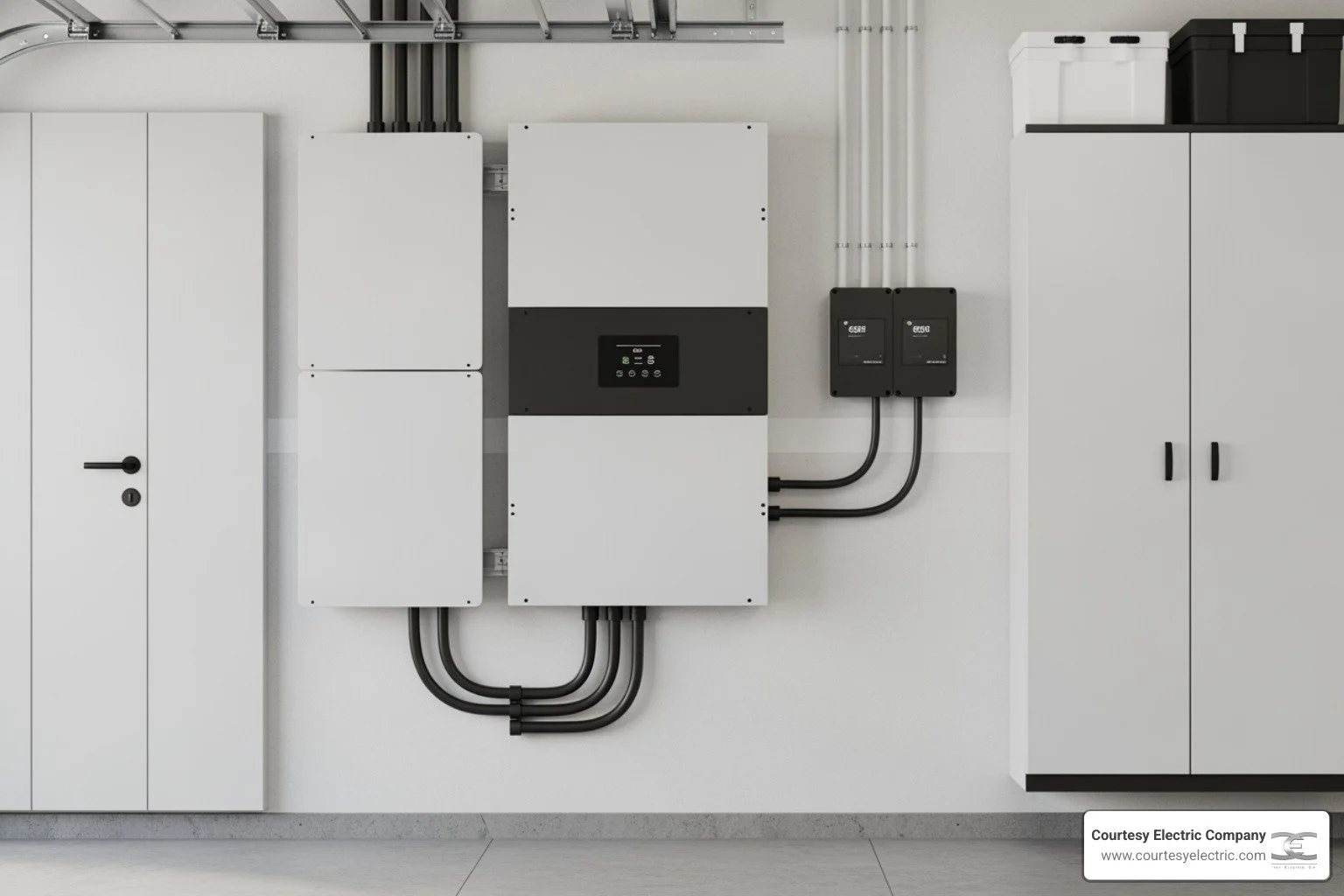
Why Battery Storage in Granby, CO Matters for Your Home
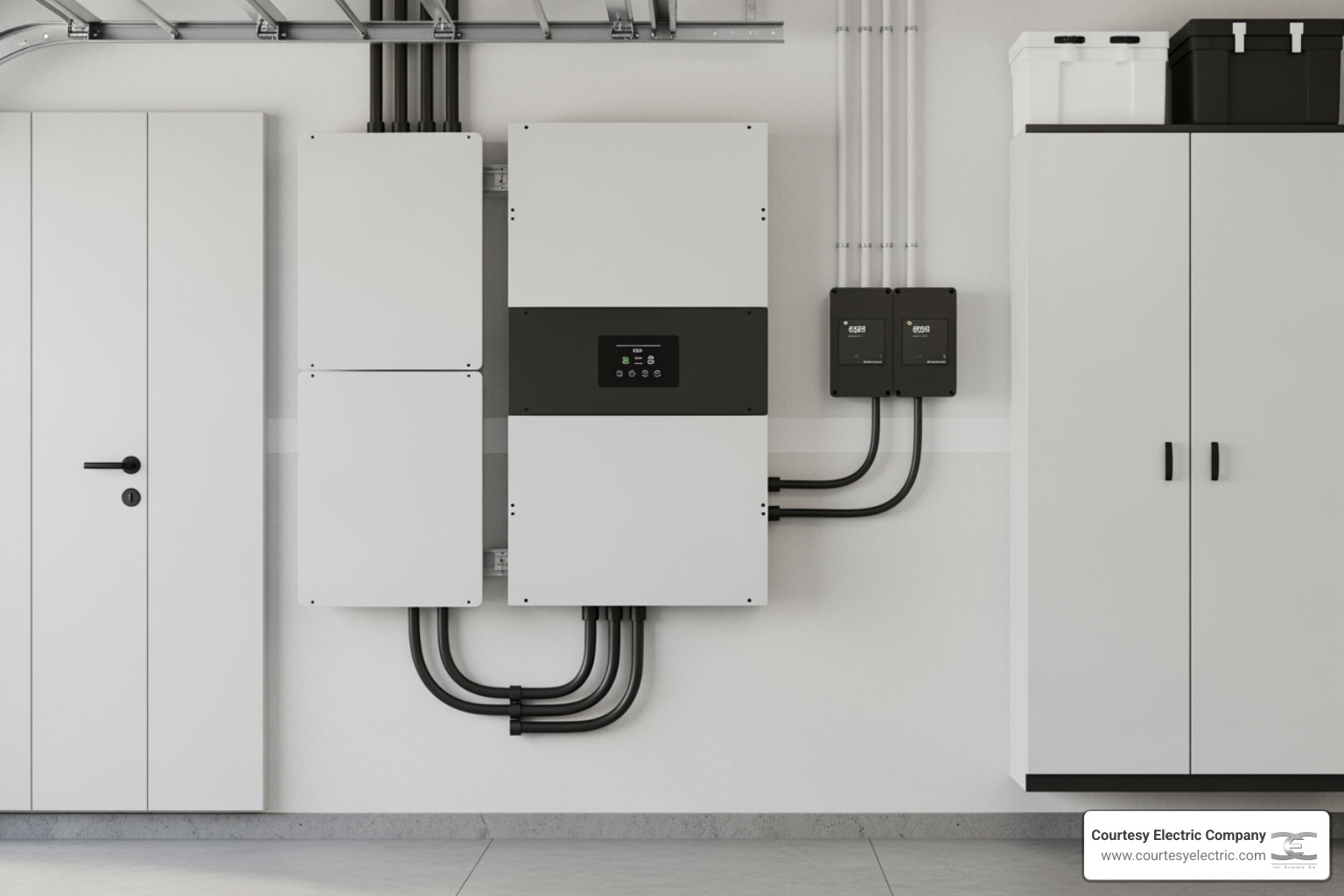
Battery storage in Granby, CO is becoming essential for homeowners who want reliable backup power, energy independence, and the ability to integrate renewable energy into their homes. Whether you're concerned about power outages during Colorado's unpredictable weather or looking to maximize the value of a solar installation, understanding your energy storage options is the first step toward a more resilient electrical system.
Quick Overview: Battery Storage Options in Granby, CO
- Residential Battery Systems – Provide backup power during outages and store solar energy for use during peak demand
- Grid-Tied Solutions – Allow you to draw from stored energy when rates are highest, reducing utility costs
- Off-Grid Configurations – Offer complete energy independence for remote properties
- Hybrid Systems – Combine solar panels with battery storage for maximum efficiency and reliability
Battery storage systems are no longer just for utility-scale projects—they're practical, proven solutions for Colorado homeowners who want to take control of their energy future. As renewable energy integration grows across the Front Range and statewide carbon reduction goals push the grid toward cleaner sources, battery storage helps bridge the gap between when the sun shines and when you actually need power. For those interested in comprehensive electrical solutions, explore our residential services or contact us to discuss your specific energy needs.
I'm David Meyer, Vice President of Courtesy Electric, and I've spent years helping Colorado homeowners modernize their electrical systems, including advanced battery storage in Granby, CO and across the Front Range. Our team stays on the leading edge of energy storage technology to ensure your home is ready for whatever comes next.
The Growing Importance of Battery Storage in Granby, CO
As we look at the landscape of energy in Colorado, it’s clear that the way we power our homes is shifting. For years, we relied solely on a one-way street: the utility company sent power to your home, and you used it. Today, the grid is becoming a two-way conversation. With the rise of renewable energy and the increasing frequency of extreme weather events in the High Country and along the Front Range, battery storage in Granby, CO has moved from a "luxury" item to a core component of a modern home.
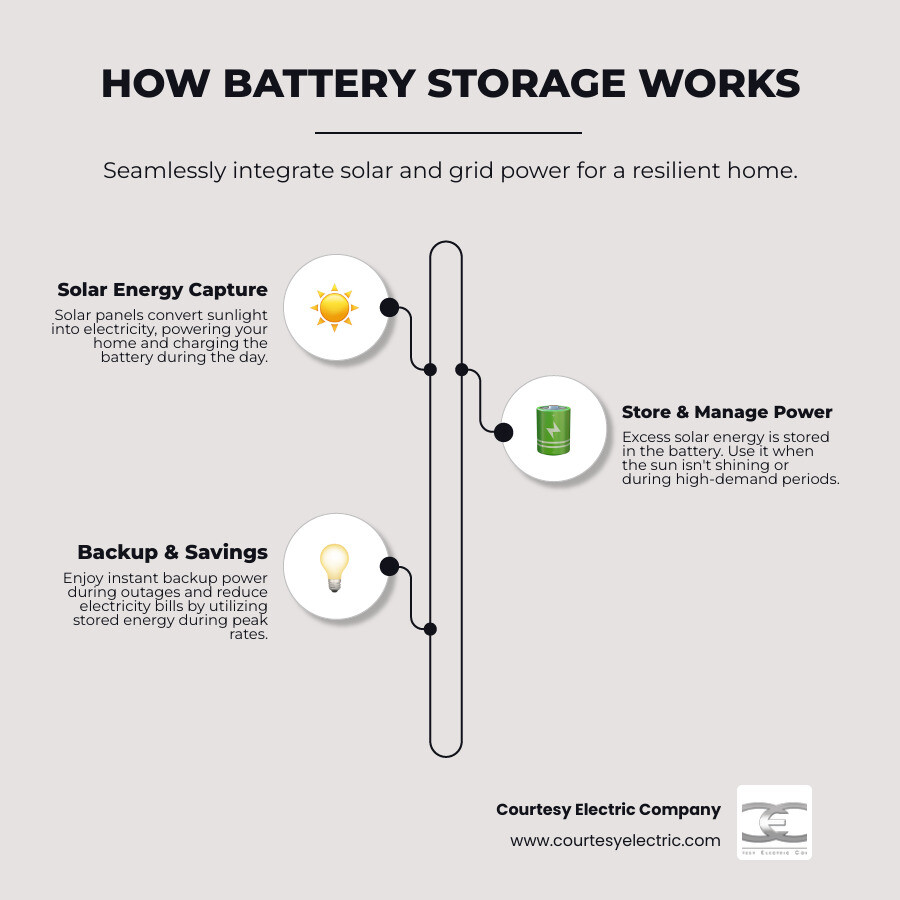
The importance of these systems boils down to grid stability. When everyone turns on their air conditioning or heaters at the same time, the grid faces "peak demand." Battery systems allow us to store energy when demand is low (or when the sun is hitting your solar panels) and use it when the grid is under stress. This doesn't just help the utility; it protects you. By participating in residential energy storage, you are effectively creating a buffer for your home.
For homeowners, the benefits are multi-faceted. Beyond the obvious peace of mind that comes with backup power, these systems help Colorado meet its ambitious carbon goals. By storing clean energy produced during the day, we reduce the need for "peaker plants"—often natural gas-fired plants that only kick on when demand spikes.
How Battery Storage in Granby, CO Improves Reliability
We’ve all been there: a heavy spring snowstorm knocks out a transformer, and suddenly the house is freezing and the fridge is off. This is where battery storage in Granby, CO shines. Unlike a traditional generator that might take a few seconds to kick over (and requires fuel), a battery backup system is nearly instantaneous.
Reliability is improved through several key functions:
- Backup Power: The most direct benefit. When the grid goes down, your battery takes over, powering your lights, internet, and essential appliances.
- Load Shifting: This is the practice of using your stored energy during times when utility rates are at their highest. It ensures electrical-service continuity without relying on the most expensive "peak" electrons.
- Microgrids and Virtual Power Plants: On a larger scale, communities can link their battery systems together. This creates a "virtual power plant" that can support the local grid during emergencies, preventing widespread brownouts.
Future Outlook for Battery Storage in Granby, CO
The future of energy in our region is tied to infrastructure. You might have seen the massive 345 kV transmission lines that traverse parts of the state. These are the "superhighways" of electricity. However, the energy transition isn't just about big lines; it’s about the "last mile"—the distribution systems that bring power to your street.
We are seeing a trend toward "community storage" and featured-projects that integrate large-scale batteries near substations. For example, some Colorado power authorities are already deploying 5-megawatt batteries to help integrate more wind and solar into the local mix. This regional shift makes it even easier for individual homeowners to connect their own systems, as the local infrastructure becomes more "storage-friendly."
Understanding Battery Energy Storage Systems (BESS)
When we talk about "BESS" or Battery Energy Storage Systems, we aren't just talking about a big version of the battery in your phone. These are sophisticated industrial or residential enclosures designed for longevity and safety.
Most modern systems use lithium-ion technology. Why? Because it offers the best balance of energy density (how much power it can hold) and footprint (how much space it takes up). However, with great power comes the need for great safety.
A key concern often raised is "thermal runaway"—a situation where a battery cell overheats and triggers a chain reaction. To prevent this, the industry uses UL 9540A testing. This is a rigorous fire safety standard that ensures if a failure does occur, it is contained and does not spread. Modern systems also include:
- Remote Monitoring: We can see the health of your battery 24/7.
- Fire Suppression: Built-in systems to manage heat.
- Safety Protocols: Automatic shutdowns if the system detects an electrical surge or moisture.
Our projects always prioritize these safety certifications to ensure that your family is protected while you're enjoying the benefits of stored power.
Safety and Environmental Considerations
In Granby and the surrounding mountain communities, we are stewards of a beautiful but sensitive environment. One of the primary considerations for any energy project—whether it's a small residential setup or a larger commercial one—is the protection of our water resources.
In many parts of Colorado, we live atop vital aquifers. It is crucial that battery systems are designed with leak containment and situated away from sensitive water runoff areas. Furthermore, proper "plume modeling" and emergency response training for local fire departments ensure that in the rare event of an incident, the community is prepared. We also look at the full lifecycle of the system, including decommissioning plans to ensure batteries are recycled properly at the end of their 10- to 15-year lifespan.
Technical Specifications for Modern Systems
If you're looking at the "specs" of a system, you'll see a few common terms.
- Capacity (kWh): This is the total amount of energy the battery can hold. Think of it like the size of a fuel tank.
- Power (kW): This is how much energy the battery can put out at once. This determines if you can run just your lights or your entire HVAC system.
- DC-Coupling vs. AC-Coupling: DC-coupled systems are often more efficient when paired with solar panels because the energy doesn't have to be converted as many times.
Understanding these services-1 helps us tailor a system that fits your specific square footage and energy habits.
Lessons from Recent Energy Storage Developments
While we focus on residential installations, we can learn a lot from the utility-scale developments happening across the country. In places like Connecticut, large-scale projects have faced intense scrutiny from "Siting Councils" and local residents.
One notable project, the KCE CT 11 proposal, highlighted how important community engagement is. Residents raised valid concerns about proximity to aquifers and the readiness of local first responders. The developer in that case surrendered the project after significant community feedback.
The lesson for us in Granby, CO is clear: transparency matters. Whether it's a town-wide project or a system for your backyard, understanding the environmental impact assessments and the regulatory landscape is vital. In Colorado, we have our own sets of standards and local zoning laws that ensure these projects are built responsibly.
Addressing Community Concerns in Siting
When a battery project is proposed, whether it's a 5-megawatt facility or a smaller commercial unit, the "siting" (where it's placed) is the most debated topic. Key factors include:
- Visual Barriers: Using landscaping or fencing to make the units invisible to neighbors.
- Noise Mitigation: Ensuring the cooling fans don't disturb the peace and quiet of the mountains.
- Land Use: Prioritizing "brownfield" sites or less sensitive land over pristine wilderness.
By addressing these concerns early, we can enjoy the benefits of battery storage in Granby, CO without compromising the character of our neighborhoods.
The Role of Regulatory Oversight
In many states, a central body—like a Siting Council—has the final say on where large energy projects go. They hold public hearings and evidentiary sessions where experts testify about safety and environmental impact.
In Colorado, we work closely with local building departments and utilities to ensure every installation meets the "interconnection process" standards. This ensures that when your battery pushes power back to the grid, it does so safely and without disrupting your neighbors' electrical-service.
Frequently Asked Questions about Battery Storage
What are the primary benefits of installing battery storage?
The biggest benefit is grid resiliency. You gain a personal safety net during power outages. Additionally, it allows you to store intermittent renewable energy (like solar) so you can use it even when the sun isn't shining. This reduces the overall strain on our local infrastructure and can help lower your long-term energy costs through load shifting.
How safe are modern battery energy storage systems?
They are incredibly safe when installed by professionals. Modern systems undergo UL 9540A testing, which is the gold standard for fire safety. They feature 24/7 remote monitoring, automatic shutdown capabilities, and are housed in weather-rated, fire-resistant enclosures. We also coordinate with local emergency personnel to ensure they are familiar with the technology.
What is the difference between utility-scale and residential storage?
Utility-scale storage involves massive "battery farms" that support the entire electric grid for thousands of people. Residential storage is a smaller unit (often about the size of a small refrigerator) installed at your home to provide you with individual backup and solar storage. Both types of systems work together to make the entire grid more stable and "green."
Conclusion
Navigating battery storage in Granby, CO might seem complex, but the goal is simple: a safer, more reliable, and more efficient home. At Courtesy Electric Company, we pride ourselves on bringing the latest smart home tech and high-quality infrastructure to the Front Range and mountain communities.
From installing advanced SPAN panels to integrating Franklin battery storage, our mission is to ensure your home’s electrical-service is ready for the future. We live and work in these communities—from Denver to Parker and up into the mountains—and we understand the unique challenges our climate presents.
If you're ready to explore how a battery system can transform your home's energy profile, we're here to help with expert advice and quality installations. The energy landscape is changing, and with the right storage solution, you can lead the way.


