
Is a Whole Home Generator Worth the Investment for Colorado Homeowners?

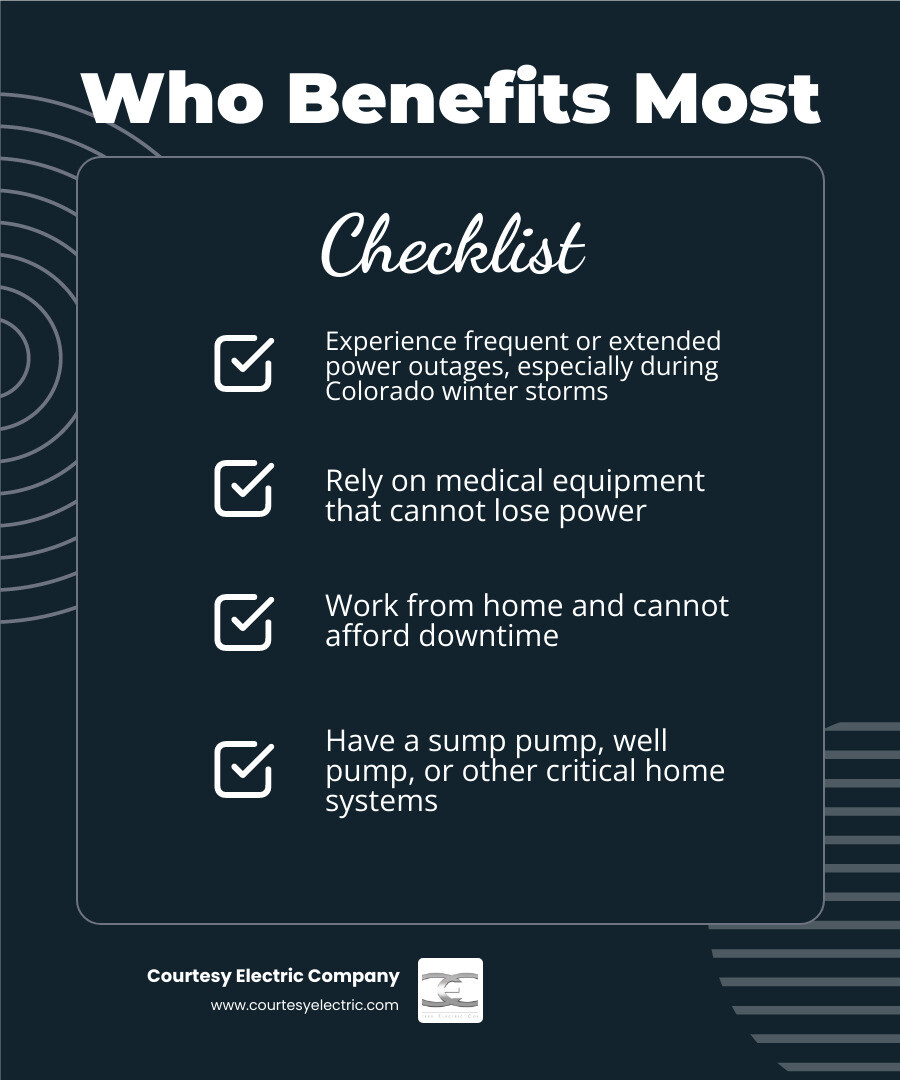
Is a whole home generator worth the investment? For most Colorado Front Range homeowners, the answer depends on how often you lose power, what's at stake when you do, and how much you value keeping your home running without interruption. Here's a quick look at who benefits most:
A whole home standby generator is likely worth it if you:
- Experience frequent or extended power outages (especially during Colorado winter storms)
- Rely on medical equipment that cannot lose power
- Work from home and cannot afford downtime
- Have a sump pump, well pump, or other critical home systems
- Want automatic, hands-free protection without manual setup during a storm
It may be harder to justify if you:
- Lose power only once or twice a year for a few hours
- Have no critical systems or equipment at risk
- Are comfortable with a portable generator as a lower-cost alternative
Power outages in the U.S. are getting worse — the average American customer lost 11 hours of power in 2024, the highest on record over the past decade. In storm-heavy states, that number climbs far higher. Colorado is no stranger to grid disruptions, from heavy snowstorms and high winds to summer thunderstorms that can knock out power for hours or days at a stretch. When the grid goes down, the question isn't just about the lights — it's about your furnace, your refrigerator, your sump pump, and everything else your home depends on to stay safe and functional.
I'm David Meyer, Vice President of Courtesy Electric, a Colorado electrical contractor with nearly 50 years of experience helping Front Range homeowners navigate backup power decisions — and the question of is a whole home generator worth the investment is one I hear constantly, especially as outages become more frequent and unpredictable. In this guide, I'll walk you through everything you need to make a confident, informed decision.
What Is a Standby Generator and How Does It Work?
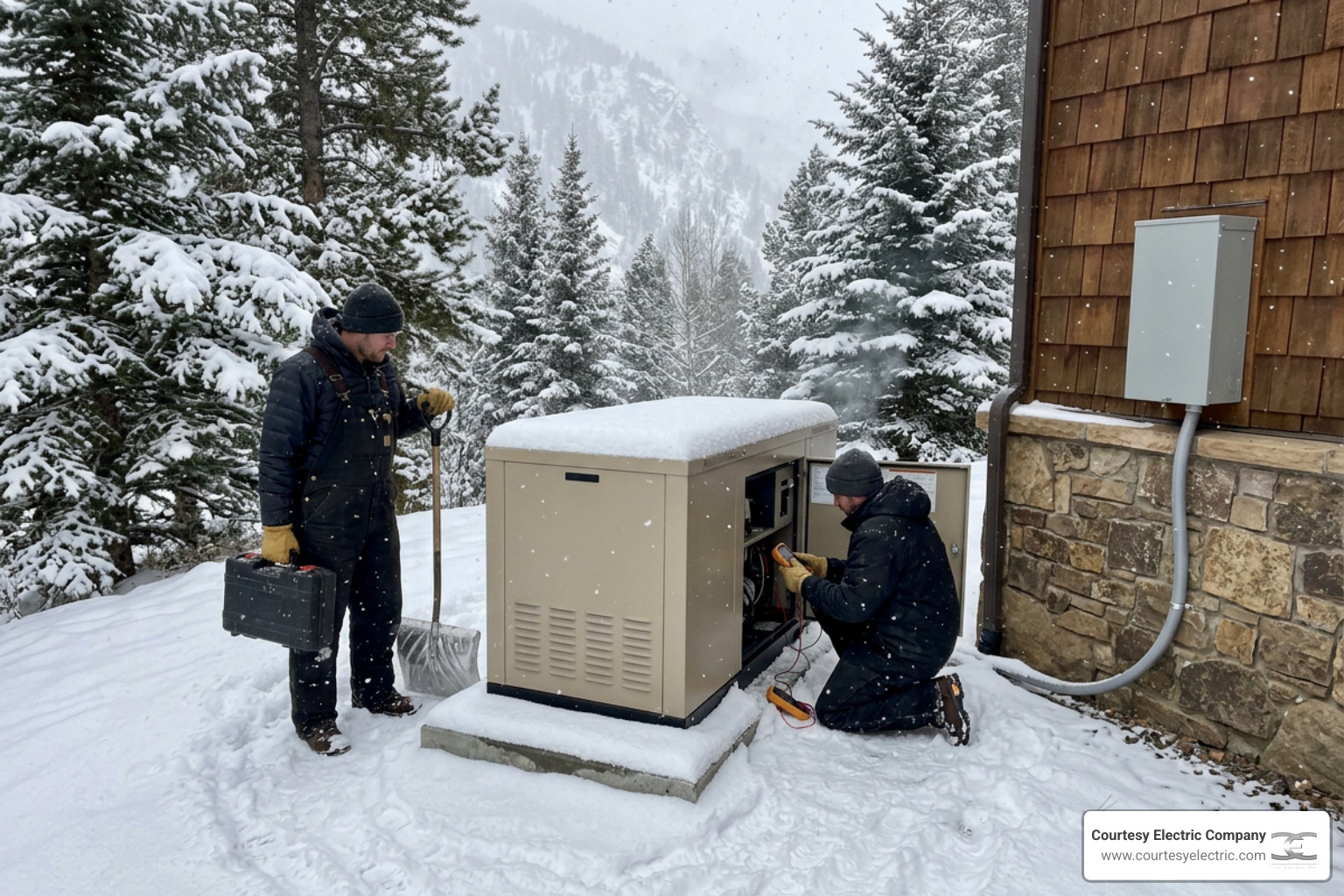
To truly evaluate if this system is right for your property, it helps to understand exactly what a whole-home standby generator does and how it differs from other backup options. Unlike temporary, portable units that you drag out of the garage during an emergency, a standby generator is a permanently installed outdoor appliance. It sits on a concrete or composite pad adjacent to your home, looking very similar to a standard central air conditioning condenser.
The magic of a standby generator lies in its integration with your home’s existing infrastructure. The unit is connected directly to your electrical panel through an automatic transfer switch (ATS) and is plumbed into your local utility fuel line—typically natural gas or liquid propane.
Here is a step-by-step breakdown of how the entire system functions automatically:
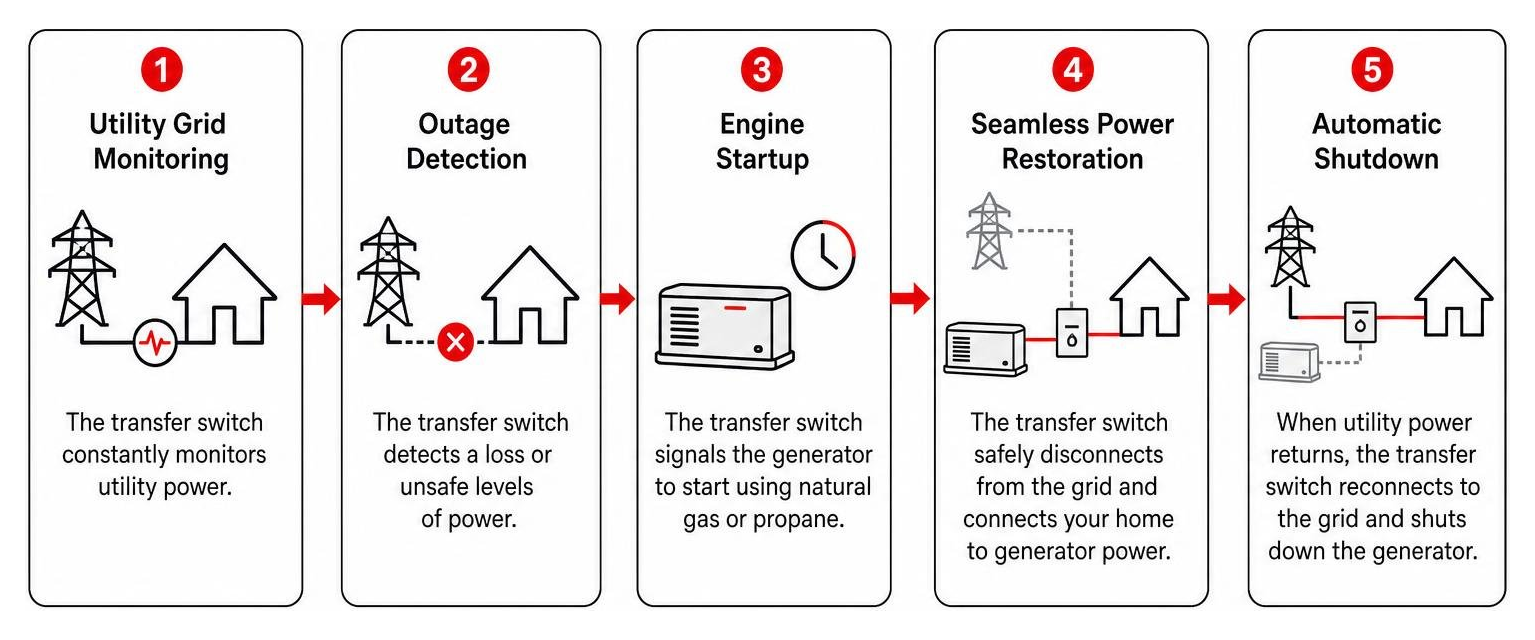
- Utility Grid Monitoring: The automatic transfer switch constantly monitors the incoming electrical current from your local Colorado utility grid.
- Outage Detection: The moment the utility power drops or fluctuates dangerously, the ATS senses the interruption.
- Engine Startup: Within seconds, the ATS signals the generator’s engine to start up, using your home's natural gas or liquid propane supply.
- Seamless Power Restoration: Once the generator reaches the correct operating speed, the ATS safely disconnects your home from the utility grid and connects it to the generator. This prevents "backfeeding," a dangerous hazard where power from your home travels back down the utility lines and threatens the safety of electrical line workers.
- Automatic Shutdown: When the ATS detects that stable utility power has returned, it seamlessly transfers your home's electrical load back to the grid, shuts down the generator engine, and returns to monitoring mode.
This entire process occurs in about 10 to 30 seconds. Whether you are sleeping, working in your home office, or vacationing far away from the Front Range, your home remains powered and protected. To learn more about the engineering behind these systems, read our comprehensive article on How Does a Standby Generator Work?.
Is a Whole Home Generator Worth the Investment for Colorado Homeowners?
When evaluating whether is a whole home generator worth the investment, geography plays a massive role. Living along the Colorado Front Range—from Denver to Parker, Highlands Ranch, and the heavily wooded, elevated terrain of Black Forest—comes with distinct meteorological challenges. Our weather is notoriously unpredictable.
Severe Colorado Weather and Grid Reliability
Colorado winter storms and spring blizzards frequently dump heavy, wet snow that snaps tree branches and downs power lines. High wind events can lead to precautionary utility shutdowns or physical damage to the grid that takes days to repair. In the summer, severe thunderstorms bring lightning and microbursts that knock out local substations.
If your power goes out during a freezing January storm, your home's temperature will plunge rapidly. Without a functioning furnace, you face the very real risk of frozen, burst water pipes. The resulting water damage and mold remediation can easily cost tens of thousands of dollars, making a standby generator a highly effective form of preventive insurance.
Food Preservation and Sump Pump Protection
The average household spends hundreds of dollars on groceries each month. A standard refrigerator can only keep food safe for about four hours without power, and a full freezer might last up to 48 hours if left unopened. An extended power outage can easily lead to complete food spoilage, forcing you to discard expensive groceries and refrigerated medications.
Furthermore, many homes along the Front Range rely on active sump pumps to keep basements dry during heavy rains or rapid snowmelt. If the power goes out during a torrential downpour, a non-functional sump pump can lead to immediate basement flooding. Keeping your sump pump running continuously is a key financial benefit of a whole-home system.
Medical Equipment and Remote Work Support
For households with family members who rely on electricity-dependent medical equipment—such as oxygen concentrators, CPAP machines, or home dialysis systems—a power outage is not merely an inconvenience; it is a life-threatening emergency. Having an automatic, highly reliable standby system provides invaluable peace of mind.
Additionally, with so many professionals working remotely in communities like Highlands Ranch and Parker, a reliable internet connection and functional home office are essential for maintaining income. A whole-home backup system ensures you never have to drop off an important business call or miss critical deadlines due to a localized grid failure. For a deeper dive into how these systems protect local properties, check out our guide on Whole Home Generator Benefits for Colorado Homeowners.
Standby Generator vs. Portable Generator: Key Differences
Many homeowners wonder if they can achieve the same level of security with a portable generator. While portable units are far less expensive upfront, they require a significant amount of manual labor, active management, and compromise.
The Manual Hassle of Portable Units
Imagine a severe blizzard hitting Black Forest at 2:00 AM. The power goes out, and your home begins to cool. If you rely on a portable generator, you must:
- Bundle up and head outside into sub-zero temperatures and blowing snow.
- Drag a heavy, cold engine out of your garage or shed.
- Position it at least 20 feet away from your home to prevent deadly carbon monoxide poisoning.
- Manually pull-start the engine or hope the electric start battery hasn't drained in the cold.
- Run heavy-duty extension cords through a cracked window or door to power a few selected appliances, or manually operate a manual transfer switch or interlock kit.
- Regularly venture back out into the storm to refuel the hot engine with highly flammable gasoline.
In contrast, a standby generator requires zero physical effort. It turns on automatically, runs on your existing utility natural gas or propane line, and keeps your entire electrical panel—including hardwired appliances like your furnace, well pump, and water heater—fully operational.
Safety Hazards of Portable Generators
Portable generators carry inherent safety risks. Operating one too close to windows, doors, or vents can allow carbon monoxide to seep into your living spaces. Additionally, storing large quantities of gasoline on your property poses a fire hazard and requires the use of fuel stabilizers to keep the fuel from degrading over time. Standby units operate on clean-burning, highly stable fuel sources and feature built-in safety shutoffs.
| Feature | Standby Generator | Portable Generator |
|---|---|---|
| Startup | 100% Automatic (within seconds) | Manual setup, pull-start, or key start |
| Fuel Source | Continuous Natural Gas or Liquid Propane | Gasoline, Diesel, or Propane (requires refueling) |
| Power Output | High (can power whole house, including AC/furnace) | Low to Medium (powers selected essential circuits) |
| Safety | Permanently wired, minimal carbon monoxide risk | High carbon monoxide risk if placed improperly |
| Maintenance | Automatic self-tests, annual professional service | Manual oil changes, fuel stabilization, battery care |
To compare your options and see which path fits your specific lifestyle, read our analysis on Choosing the Right Backup Power for Colorado.
Sizing and Fuel Options: Is a Whole Home Generator Worth the Investment?
Choosing the right generator requires a precise electrical load calculation. We do not size generators based solely on the square footage of your home; instead, we analyze the starting and running wattage requirements of the specific appliances you want to run simultaneously.
- Essential Coverage: Sized to run critical loads such as lights, refrigeration, internet routers, furnace blowers, and sump pumps.
- Whole-House Coverage: Sized to run everything in your home at once, including energy-intensive loads like central air conditioning, electric double ovens, well pumps, and EV chargers.
Your fuel choice is equally critical. If your home has access to a municipal natural gas line, a natural gas generator provides an virtually infinite fuel supply that will run uninterrupted for weeks. If you live in a more rural area without natural gas access, a liquid propane (LP) system connected to a large dedicated on-site tank is the gold standard, offering excellent fuel stability and high energy output.
Battery Backup Alternatives: Is a Whole Home Generator Worth the Investment?
In recent years, battery storage systems—such as Franklin battery storage—have emerged as a popular alternative to traditional fossil-fuel generators. When integrated with residential solar panels, battery backups offer a clean, silent, and highly efficient way to navigate power outages.

However, when determining if a standby generator or a battery is better, the decision often comes down to the duration of the outages you expect to face.
- Battery Storage: Excellent for short-term outages (a few hours to a day) and daily energy management, such as offsetting peak utility rates. However, if a heavy winter storm blankets your solar panels in snow for three days, your batteries will not be able to recharge once drained.
- Standby Generator: Designed for long-term, multi-day outages. As long as the natural gas flows or your propane tank is full, a generator can run continuously to keep your home warm and safe.
Many forward-thinking homeowners in the Denver area choose a hybrid approach, combining solar-plus-battery systems with a smart electrical panel (like SPAN) and a standby generator for the ultimate, multi-layered energy security plan. For a detailed comparison, read our guide: Is a Standby Generator or Battery Backup Better for Power Outages?.
Long-Term Financial Impact: Home Value and Insurance
While the convenience of uninterrupted power is clear, a whole-home standby generator is also a significant financial asset that can positively impact your property’s overall value.
Property Value and Buyer Appeal
A professionally installed standby generator is a permanent fixture that remains with the home when it is sold. In competitive real estate markets across the Colorado Front Range—especially in areas prone to weather-related outages like Black Forest and Parker—buyers place a high premium on built-in disaster preparedness.
Studies show that a standby generator can increase a home's resale value by up to 3% to 5%, allowing homeowners to recoup a substantial portion of their original investment (often yielding up to a 150% return on the investment depending on the local market demand). It signals to prospective buyers that the home has been meticulously maintained and is fully equipped to handle Colorado's harsh winter seasons.
Insurance Premium Discounts
Because a standby generator actively prevents catastrophic property damage—such as frozen, burst water pipes and the resulting water and mold damage—many major insurance companies recognize them as risk-reduction devices. According to Consumer Reports, some insurance providers offer a discount ranging from 4% to 10% on the property portion of a homeowners insurance policy for homes equipped with a professionally installed, automatic standby generator. Over the lifetime of the unit, these premium savings can help offset ongoing operational costs.
To explore how the long-term financial dynamics of generators stack up against modern battery systems, read our Standby Generator vs. Battery Backup Cost Comparison.
Frequently Asked Questions About Standby Generators
How long does a whole home standby generator last?
With proper care and routine maintenance, a high-quality standby generator has an asset lifespan of 20 to 30 years. In terms of active runtime, these heavy-duty engines are built to deliver between 3,000 to 5,000 hours of operation. Since the average homeowner only uses their generator for a few dozen hours each year during brief emergency outages and weekly self-test cycles, the unit is highly likely to last for as long as you own your home.
Can I install a standby generator myself?
No. Installing a standby generator is absolutely not a DIY project. It is a highly complex process that requires advanced knowledge of high-voltage electrical systems, gas line plumbing, and local building codes.
To complete a safe, legal installation, you must:
- Obtain the proper electrical and plumbing building permits from your local Front Range municipality.
- Coordinate with your local gas utility to ensure your existing gas meter can handle the increased fuel demand.
- Install an automatic transfer switch directly into your main electrical panel.
- Pour a level concrete pad and secure the heavy unit.
- Ensure compliance with strict local HOA guidelines and municipal setback rules (often requiring the unit to be placed a specific distance from windows, doors, and property lines).
Improper installation can lead to life-threatening hazards, including carbon monoxide poisoning, gas leaks, electrical fires, and dangerous utility grid backfeeding. It will also instantly void your manufacturer's warranty.
What ongoing maintenance does a standby generator require?
Like a car, a standby generator relies on an internal combustion engine that requires regular upkeep to ensure it starts instantly when the grid fails.
An effective maintenance schedule includes:
- Automatic Self-Test Cycles: Most modern units are programmed to run a brief, low-speed "exercise" cycle once a week or every two weeks. This keeps the engine components lubricated, monitors battery health, and runs self-diagnostics without powering your home.
- Annual Service Visits: A certified technician should perform an annual tune-up, which includes changing the engine oil and oil filter, replacing the air filter, inspecting the spark plugs, checking the battery charge, and testing the transfer switch operation.
- Post-Outage Care: After an extended period of continuous operation (usually every 100 to 200 run hours), you should check the oil levels and replace the oil and filters as recommended by the manufacturer.
Conclusion
Deciding whether is a whole home generator worth the investment comes down to your personal tolerance for risk, your local grid reliability, and how much you value seamless comfort and safety during Colorado's wildest weather. While a standby generator is a significant property upgrade, it provides unparalleled, hands-free protection that pays you back in peace of mind long before you ever decide to sell your home.
At Courtesy Electric Company, we have spent nearly five decades providing top-tier residential electrical services across Denver, Parker, Highlands Ranch, Black Forest, and the entire Colorado Front Range. As certified installers of leading standby generators and advanced battery storage systems, we specialize in designing custom, end-to-end backup power solutions tailored to your home's unique energy demands.
Ready to secure your home's energy independence before the next big storm hits? Contact us today to schedule a free estimate on your backup power installation. Explore our complete range of services by visiting Courtesy Electric Company's electrical services.


