Why Understanding How Energy Management Reduces Your Electric Bill Can Save You Hundreds a Year

How energy management reduces your electric bill comes down to one core idea: knowing where your power goes and making smarter choices about when and how you use it.
Here is a quick breakdown of the most impactful ways energy management lowers your monthly bill:
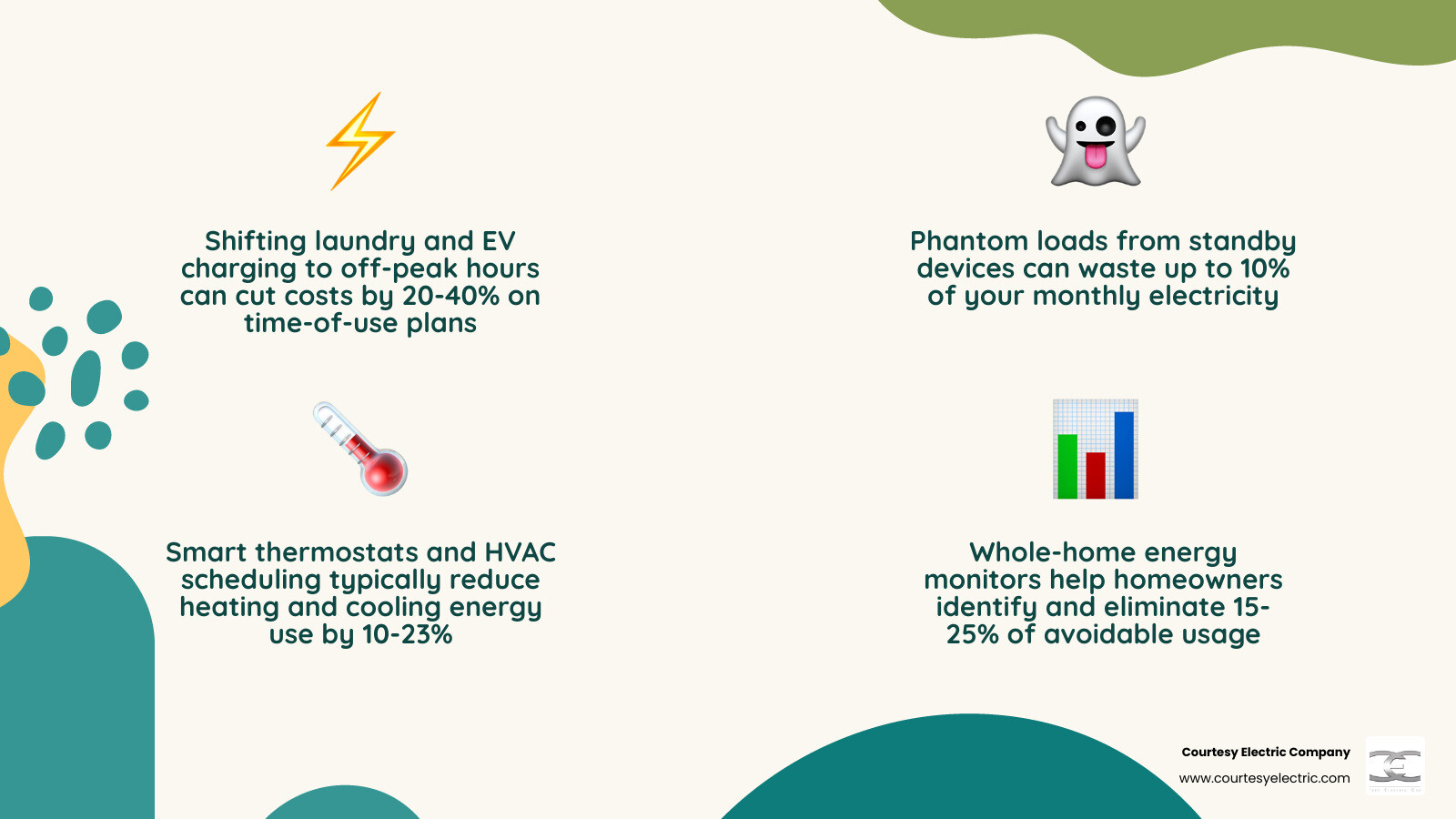
- Shift high-energy tasks (laundry, dishwasher, EV charging) to off-peak hours when electricity rates are lower
- Eliminate phantom loads from devices drawing power in standby mode around the clock
- Optimize your HVAC with smart thermostats and scheduling — heating and cooling account for roughly 52% of home energy use
- Track real-time usage with a whole-home energy monitor to spot waste you didn't know existed
- Seal air leaks and maintain equipment so your systems don't work harder than they need to
- Upgrade to smart panels and battery storage to manage loads automatically and avoid peak demand charges
Together, these steps can realistically cut 15–25% off the electric portion of your bill — and some homeowners save significantly more.
The average U.S. home uses around 1,000 kWh of electricity per month, and electricity prices have risen roughly 21% since 2020. For Colorado Front Range homeowners, that trend means higher bills every season — winter heating, summer cooling, and everything in between. The good news is that most of the waste in a typical home is fixable without a full renovation. Small, targeted changes — backed by the right tools — add up fast.
I'm David Meyer, Vice President of Courtesy Electric, a Colorado electrical contractor with roots going back to 1976, and I've seen how the right electrical upgrades and energy management systems help homeowners take control of rising utility costs. In the sections ahead, I'll walk you through exactly how energy management reduces your electric bill, step by step, so you can start making changes that actually show up on your statement.
Understanding How Energy Management Reduces Your Electric Bill
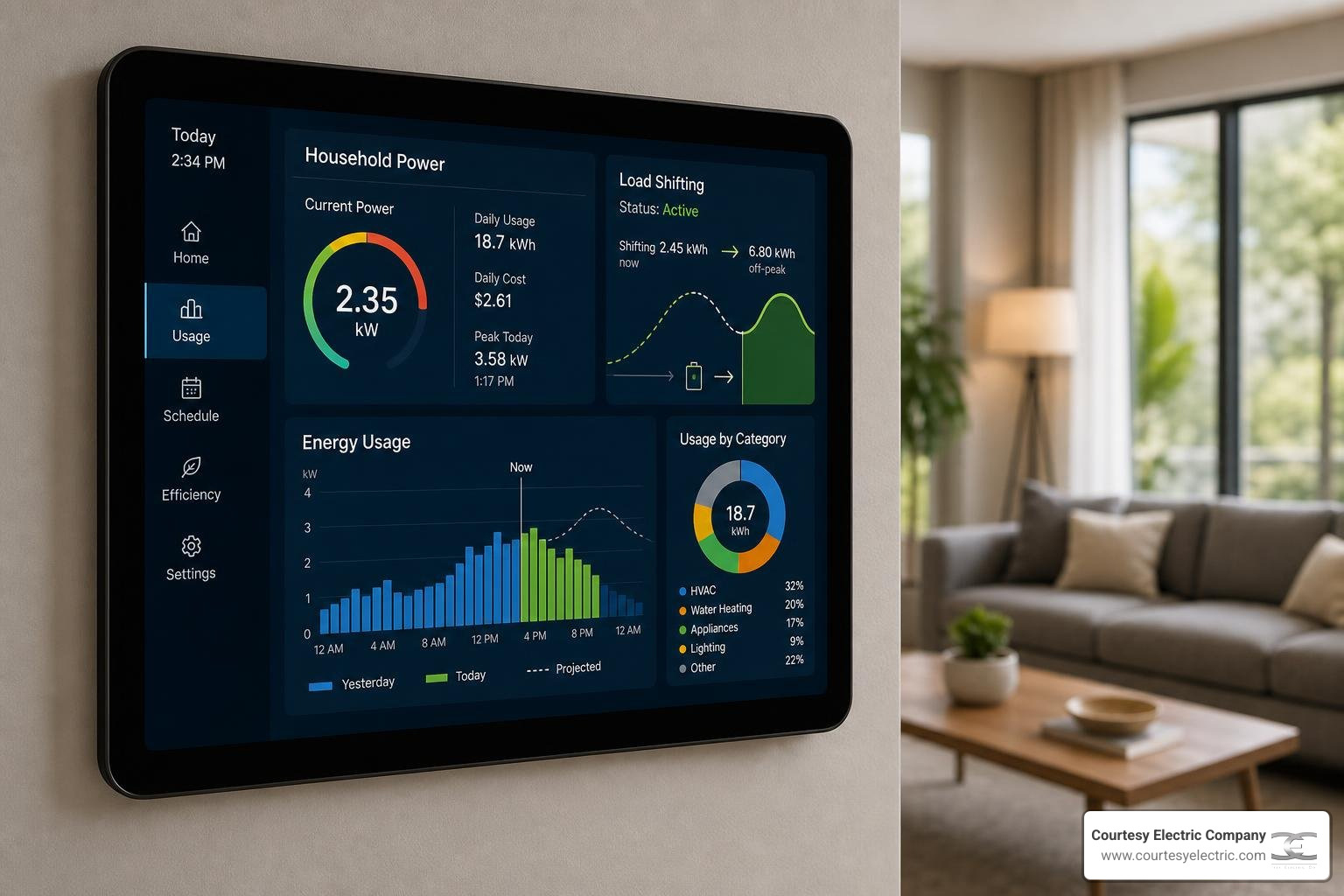
To get the most out of your utilities, we have to look beyond simply turning off the lights when we leave a room. True energy management is about building a system where control and visibility work hand-in-hand. By implementing a cohesive approach, we can actively control our electrical loads rather than letting our appliances dictate our monthly expenses.
When we talk about modern home efficiency, we are looking at a combination of behavioral habits and smart technology. Utilizing an integrated strategy allows us to analyze where power is being wasted and make automated adjustments. To explore the foundational advantages of these setups, you can read more about the Energy Management System Benefits for Homeowners.
Shifting Usage to Lower Time-of-Use Rates
One of the most immediate ways we can reduce our electric bills without using less overall energy is through rate arbitrage. Many utility companies across Denver, Parker, and the wider Colorado Front Range use time-of-use (TOU) rate plans. Under these schedules, electricity is priced differently depending on the time of day.
During peak hours—typically late afternoon and early evening when system-wide demand is highest—rates spike. Conversely, during off-peak hours (like late at night or early in the morning), electricity is much cheaper to generate and distribute, and utilities pass those savings on to us.
By utilizing smart meters and home energy management tools, we can schedule our most power-hungry appliances—such as electric vehicle chargers, pool pumps, and clothes dryers—to run exclusively during off-peak hours. Shifting these heavy loads away from peak times directly lowers the blended rate of your monthly bill.
Eliminating Phantom Loads and Always-On Devices
Did you know that many appliances and electronics continue to draw power even when they are turned off? This is known as phantom load (or vampire load), and it accounts for a surprising portion of your monthly utility costs. Devices in standby mode—such as smart TVs, game consoles, microwave clocks, and computer monitors—constantly sip electricity to remain ready for instant activation.
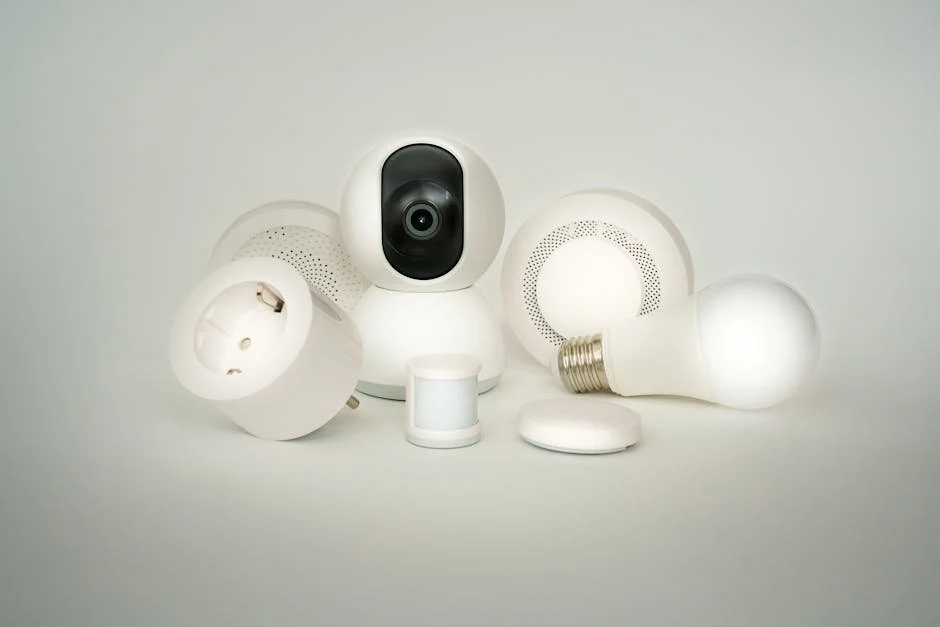
Individually, these standby loads seem tiny, but added together across a whole home, they can easily create a continuous baseline draw of 200 to 300 watts or more. Checking your consumption at 3:00 AM via your smart meter or home energy monitor is an excellent way to identify phantom loads. If your home's 3:00 AM draw isn't significantly lower than your evening baseline when everyone is asleep, vampire loads are likely costing you money. Utilizing advanced smart plugs and power strips that cut power completely to idle electronics is one of the simplest, lowest-effort ways to eliminate this constant drain.
Step-by-Step Guide to Optimizing Your Home's Energy Consumption
Taking control of your home’s electrical system doesn’t have to happen all at once. We recommend a phased approach that starts with gaining visibility, moves into active control, and finishes with advanced infrastructure upgrades.
By systematically targeting your home's largest energy draws, you can build a highly efficient living space. For a deeper dive into seasonal adjustments, check out our guide on How to Reduce Your Summer Electric Bill with Smart Technology.
Step 1: Track Consumption with Whole-Home Monitors
You cannot manage what you do not measure. The first step to lowering your bills is installing a whole-home energy monitor. These devices install directly inside your main electrical panel and use clamp-on sensors to read the electrical current running through your circuits.
With real-time data sent straight to your smartphone, you can see the exact moment your energy usage spikes and trace it back to the specific appliance responsible. Instead of waiting for a monthly bill to realize your second refrigerator in the garage is failing and running constantly, you can spot the anomaly within hours. To compare different monitoring hardware and strategies, explore the various Energy Management Options for Colorado Homes.
Step 2: Control HVAC with Smart Thermostats
Because heating and cooling make up roughly 52% of the average home's energy consumption, optimizing your HVAC system is critical. A smart thermostat allows you to move beyond rigid, manual scheduling.
By setting precise temperature setpoints and utilizing advanced features like geofencing—which automatically lowers or raises the temperature when your smartphone leaves a designated radius around the house—you ensure you never waste energy conditioning an empty home. Additionally, raising your thermostat setting by just a few degrees during hot summer afternoons in Highlands Ranch or Black Forest can reduce your cooling energy use by 10% to 15% per degree.
Step 3: Upgrade to Smart Panels and Battery Storage
For the ultimate level of control, homeowners are upgrading to smart electrical panels, such as SPAN panels, and pairing them with home battery storage solutions like Franklin Battery Storage.
A smart panel replaces your traditional breaker box, allowing you to monitor and control every single circuit in your home individually from an app. When paired with battery storage, these systems can automatically perform load management. For instance, during peak-rate periods, your smart panel can run your home off stored battery power or temporarily pause non-essential circuits (like your water heater or EV charger) to prevent expensive demand charges. To top it off, these installations often qualify for significant incentives; you can read about the Federal Tax Credits for Battery Storage and Span Panels to see how to maximize your savings.
Maximizing Efficiency Across Major Household Appliances
Every appliance in your home has its own energy profile. Understanding which systems draw the most power—and how to operate them efficiently—helps us target our efforts where they will have the greatest financial impact.
Below is a comparative look at how different household systems contribute to your overall electrical usage:
| Appliance / System | Share of Average Home Energy Use | Key Optimization Strategy |
|---|---|---|
| Heating & Cooling (HVAC) | ~52% | Use smart thermostats, clean filters, utilize ceiling fans |
| Water Heating | ~18% | Lower tank temperature to 120°F, wash laundry in cold water |
| Lighting, Entertainment, & PCs | ~7% | Switch to LEDs, unplug standby devices, use smart plugs |
| Clothes Dryers | ~3.2% | Clean lint traps, line dry when possible, run full loads |
| Kitchen Appliances | ~5% | Keep refrigerator stocked, run dishwasher full and off-peak |
How Energy Management Reduces Your Electric Bill via HVAC Optimization
To keep your heating and cooling systems running as efficiently as possible, regular maintenance is essential. Something as simple as clearing a clogged air filter can improve your air conditioner's efficiency by 5% to 15%.
Additionally, we can use ceiling fans to create a wind-chill effect, making a room feel cooler than it actually is. Because fans use roughly 1/60th of the energy of a standard air conditioner, utilizing them allows you to set your thermostat higher without sacrificing comfort, saving up to 40% on cooling electricity. Passive cooling strategies, such as closing blinds on south- and west-facing windows during hot summer days, also go a long way in reducing the load on your HVAC system.
How Energy Management Reduces Your Electric Bill in the Kitchen and Laundry
Your laundry room and kitchen present excellent opportunities for daily energy savings. When washing clothes, keep in mind that about 90% of the energy consumed by the washing machine goes toward heating the water. Switching to a cold wash cycle is an easy way to slash that consumption instantly.
For drying, always clean the lint filter before every load to maintain optimal airflow, and try to run consecutive loads so the dryer can take advantage of the heat left over from the previous cycle. In the kitchen, make sure your refrigerator and freezer are kept relatively full; full units have more thermal mass, meaning they hold their cold temperature better and don't have to work as hard when the doors are opened. Finally, always wait to run your dishwasher until it is fully loaded, and schedule it to run late at night when utility rates are at their lowest.
Frequently Asked Questions about Home Energy Management
What is the most effective way to find hidden energy waste in my home?
The single most effective tool is a whole-home energy monitor paired with a smart meter. By analyzing your home's "always-on" baseline usage at 3:00 AM, you can easily spot devices that are drawing power in standby mode. For a more comprehensive look, scheduling a professional home energy audit can pinpoint hidden drafts, poor insulation, and ductwork leaks that are forcing your heating and cooling systems to work overtime.
Do smart thermostats and energy monitors really work together to save money?
Yes, they create a powerful feedback loop. While a smart thermostat gives you precise control over your home's largest energy consumer (your HVAC), an energy monitor provides the real-time data to prove whether your scheduling adjustments are actually working. Together, this combination of visibility and automated control helps homeowners easily achieve 15% to 25% savings on their heating and cooling costs.
Are there local incentives for upgrading my home's electrical system?
Absolutely. Homeowners across Denver and the Front Range have access to various local utility rebates and state programs designed to lower the cost of energy-efficient upgrades. These programs often cover smart thermostats, heat pump installations, and panel upgrades. To find out what is currently available for your project, check out our guide on Colorado Energy Rebates for Electrical Upgrades.
Conclusion
Lowering your monthly utility bill isn't about sacrificing your comfort; it's about eliminating waste and taking control of your electrical system. From simple habits like shifting heavy laundry loads to off-peak hours, to advanced upgrades like smart panels, home battery storage, and automated thermostats, energy management is a highly effective way to protect your household budget from rising rates.
At Courtesy Electric Company, we have been helping homeowners throughout Denver, Parker, Highlands Ranch, and the Colorado Front Range build safer, smarter, and more efficient homes for decades. Whether you are ready to upgrade your electrical panel, integrate backup power, or explore our advanced Low-Voltage Services to tie your smart home together, we are here to help.
Contact our team today to request a free estimate on your next electrical project and start your journey toward a lower electric bill.


