How can I access the HEAR program for colorado energy rebates for electrical upgrades?
The Home Electrification and Appliance Rebate (HEAR) program is the powerhouse behind the current wave of colorado energy rebates for electrical upgrades. This program, launched in late 2025, is designed specifically to help low-to-moderate-income households transition to high-efficiency electric systems. The most significant benefit of the HEAR program is the maximum rebate amount: a single household can receive up to $14,000 in total incentives.
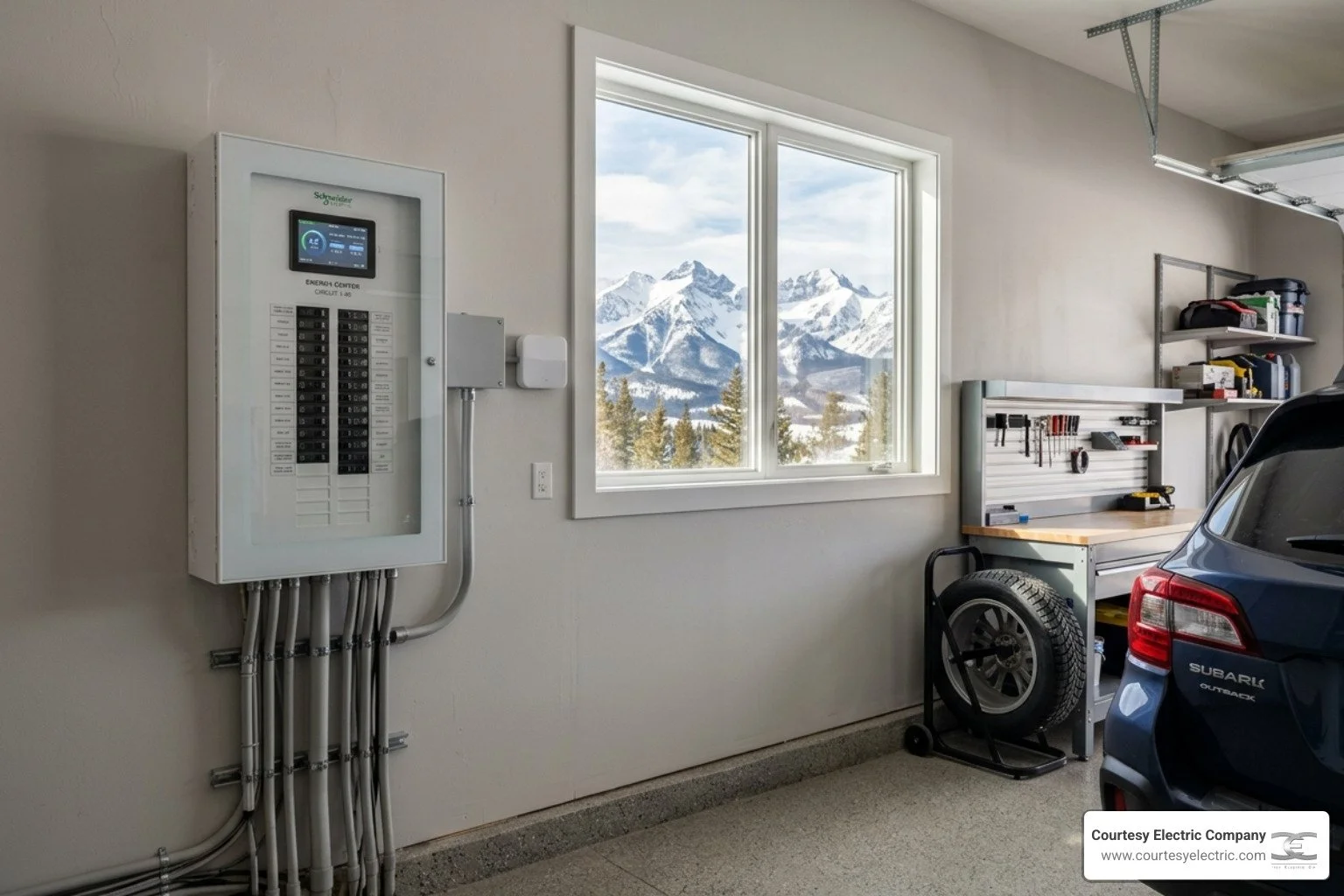
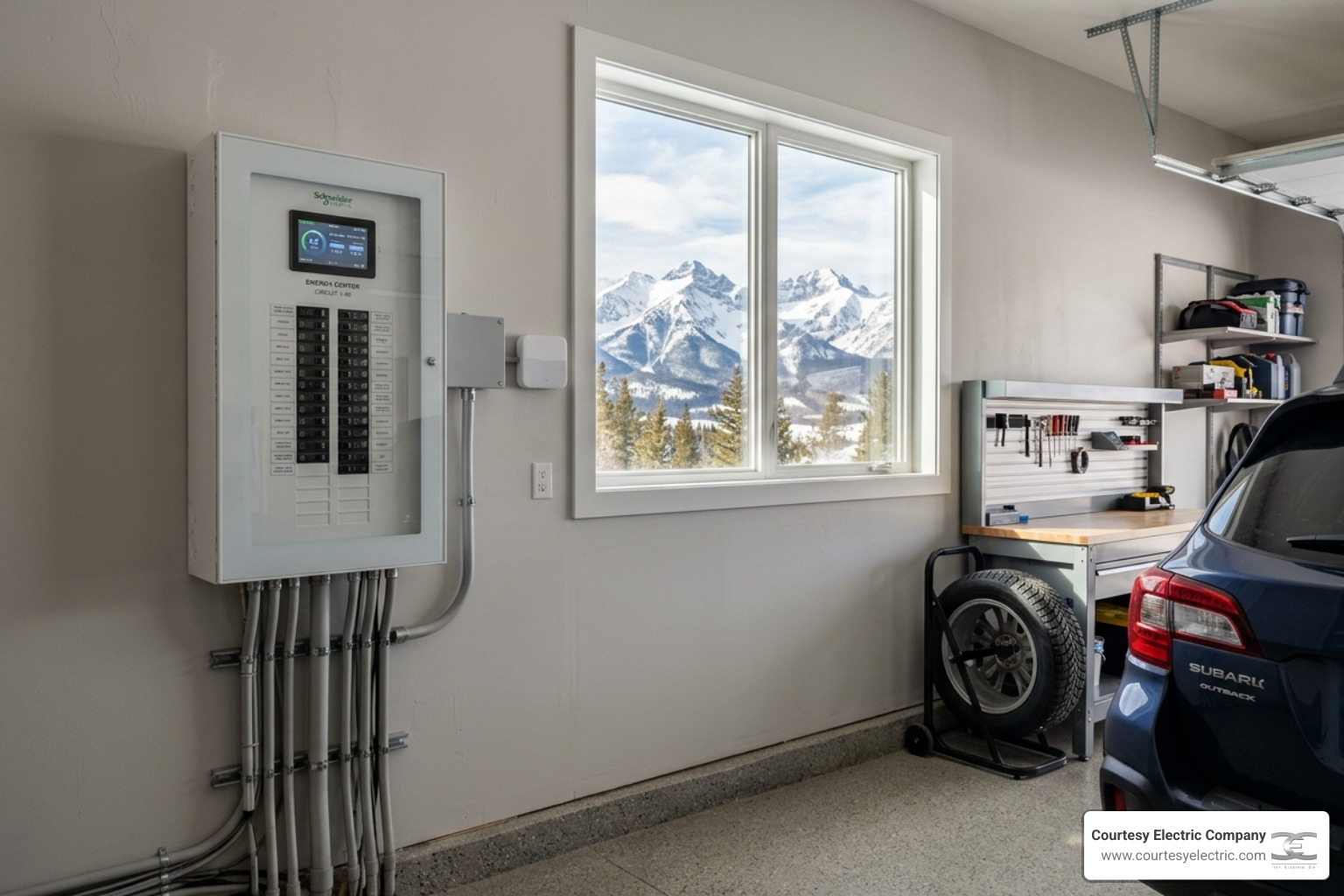
For those of us living in the Denver metro area or across the Front Range, this program targets the literal "backbone" of your home’s energy system. If you want to install a modern heat pump or an EV charger, your old electrical panel might not be up to the task. That is where HEAR steps in. You can claim a rebate of up to $4,000 for an electric load service center (your panel) and up to $2,500 for the necessary electrical wiring to support these new appliances.
If you are also looking to upgrade your heating and cooling, the program offers a massive $8,000 rebate for cold climate heat pumps. These systems are specifically designed to handle our Colorado winters, providing efficient heat even when the temperature drops well below zero. When you combine these, you aren't just saving money; you are future-proofing your home. For those in more mountainous areas, check out these Battery Storage Installation Fraser CO Tips to see how storage can further enhance your home's resilience.
Which specific projects qualify for colorado energy rebates for electrical upgrades?
To qualify for these rebates, the equipment you install must meet strict standards. The Colorado Energy Office requires that all appliances and electrical components be ENERGY STAR certified. This ensures that the taxpayer dollars funding these rebates are going toward equipment that actually reduces energy consumption and lowers utility bills.
The eligible upgrades cover a wide range of home electrification needs:
- Electric Load Service Centers (Panels): Up to $4,000.
- Electrical Wiring: Up to $2,500.
- Heat Pump Water Heaters: Up to $1,750.
- Cold Climate Heat Pumps: Up to $8,000.
- Electric Stoves, Ranges, or Induction Cooktops: Up to $840.
- Insulation, Air Sealing, and Ventilation: Up to $1,600.
| Upgrade Type | Maximum Rebate Amount | Efficiency Requirement |
|---|---|---|
| Cold Climate Heat Pump | $8,000 | ENERGY STAR Certified / Rated to -5°F |
| Electric Panel Upgrade | $4,000 | Must support other electric upgrades |
| Electrical Wiring | $2,500 | Necessary for qualifying appliances |
| Heat Pump Water Heater | $1,750 | ENERGY STAR Certified |
| Induction Cooktop/Stove | $840 | ENERGY STAR Certified |
It is important to note that these upgrades often go hand-in-hand. For example, if you are moving to a heat pump water heater, you might need new wiring run to that location. By itemizing these costs on your invoice, you can often claim multiple rebates under the HEAR program. For more details on managing energy in specific Front Range areas, see this Battery Storage Guide Centennial CO.
Where can I find a pro to help with colorado energy rebates for electrical upgrades?
One of the most unique aspects of the HEAR program is that it operates on a "point-of-sale" model. This means you don't have to pay full price and wait months for a check in the mail. Instead, the rebate is applied as an upfront discount on your invoice. However, this is only possible if you work with a registered contractor.
Registered contractors are vetted by the state and are trained to use the Neighborly Software platform to verify your eligibility and reserve your funds. The process usually looks like this:
- You find a registered contractor (like us!).
- The contractor performs a home assessment and provides a project proposal.
- You complete an online income verification application.
- Once approved, the contractor performs the work and deducts the rebate amount directly from your bill.
Working with a professional ensures that the technical requirements—like ensuring a heat pump is sized to meet at least 80% of your home's heating load—are met so your rebate isn't denied. For those looking to maintain their systems long-term, our Battery Storage Maintenance Guide Granby CO offers great insights into keeping your electrical infrastructure in top shape.
Who qualifies for these incentives in the Front Range?
Eligibility for colorado energy rebates for electrical upgrades is primarily based on your household income relative to the Area Median Income (AMI) of your county. The program is designed to provide the most help to those who need it most, but the "moderate-income" bracket is surprisingly generous in Colorado.
- Low-Income (Below 80% AMI): These households qualify for 100% of the project costs, up to the maximum rebate caps.
- Moderate-Income (80% to 150% AMI): These households qualify for 50% of the project costs, up to the maximum rebate caps.
In the Front Range, where the cost of living is higher, the AMI reflects that. For instance, in Boulder County, a household of four can earn up to $225,900 and still qualify for the 50% rebate tier. In Larimer County, that same family of four can earn up to $191,400. This means a huge portion of Colorado residents are eligible for significant savings.

If you are curious about how these upgrades fit into a broader energy plan, especially in high-demand areas, you might find our list of the Best Local Battery Storage Companies Granby CO helpful for understanding the local landscape of energy experts.
How do I check my county's Area Median Income?
Checking your eligibility is the first step before you ever pick up the phone to call a contractor. The easiest way to do this is by using the Rewiring America calculator. You simply plug in your zip code, your gross annual income, and your household size. It will instantly tell you if you fall into the <80% or 80-150% AMI categories.
If you are already enrolled in certain assistance programs, the income verification process becomes even easier. Participation in the following programs often serves as "categorical eligibility," meaning you are automatically qualified:
- LEAP (Low-income Energy Assistance Program)
- SNAP (Supplemental Nutrition Assistance Program)
- Medicaid
- WIC (Women, Infants, and Children)
For residents in more rural or high-altitude areas like Winter Park, understanding local income thresholds is just as vital as understanding local weather demands. Check out the Winter Park CO Battery Storage Guide for more localized energy tips.
How do I stack utility rebates with federal tax credits?
While the HEAR rebates are fantastic, they are just one piece of the puzzle. To truly maximize your savings, you should look at "stacking" incentives. This involves combining state rebates with utility-specific programs and federal tax credits.
Major utilities in our service area, such as Xcel Energy and Black Hills Energy, offer their own rebates for heat pumps, water heaters, and smart thermostats. For example, Xcel Energy's Clean Heat program provides substantial rebates that can often be used alongside HEAR funds, provided the total incentive doesn't exceed the cost of the project.
Then, there is the federal side. Although the primary 25C tax credits under the Inflation Reduction Act have a current expiration outlook of December 31, 2025 (subject to legislative changes), they remain a vital tool for projects completed within the qualifying window. You claim these using IRS Form 5695 when you file your taxes. These credits can cover 30% of the cost of energy-efficient improvements, with annual caps like $2,000 for heat pumps and $1,200 for other weatherization measures.
By working with a knowledgeable contractor, you can ensure that your invoices are formatted correctly to satisfy the requirements of your utility, the state, and the IRS. For more on how battery systems play into this ecosystem, see our guide on Battery Storage in Granby CO.
What are the current funding statuses for 2026?
As of April 2026, we are seeing unprecedented demand for colorado energy rebates for electrical upgrades. The Colorado Energy Office has allocated funds regionally to ensure that folks in rural areas aren't left behind by the high volume of applications coming out of Denver and the Front Range (known as Region 1).
The statistics are telling:
- $1.3 million has already been disbursed to homeowners.
- $15.6 million is currently reserved for over 1,300 pending projects.
- The vast majority of this activity is concentrated in the Front Range.
Because of this, funding for single-family homes in the Front Range is expected to be fully reserved very soon—potentially by the end of this month. If you live in Denver, Parker, or Highlands Ranch and are considering an upgrade, the "wait and see" approach could cost you thousands of dollars. Once the regional "pot" of money is reserved, you may have to wait for a new funding cycle or look for alternative programs. For a deeper dive into energy independence across the region, read our Battery Storage Fraser CO Complete Guide.
Frequently Asked Questions about Colorado Electrification
Navigating rebates can be a bit like hiking a 14er—the path isn't always straight, and the air gets a little thin when you start looking at the fine print. We hear a lot of the same questions from our customers in the Front Range, so let's clear up some of the most common points of confusion.
One area that often gets overlooked is the difference between the HEAR program (which we've mostly discussed) and the HER (Home Efficiency Rebates) program. While HEAR is for specific appliances, HER is for whole-home energy savings. HER is rolling out more broadly in 2026 for manufactured homes and large multifamily buildings. If you live in a mobile home or manage an apartment complex, your time is coming! For those in specific high-altitude areas, our Battery Storage Maintenance in Winter Park CO guide provides essential upkeep tips.
Do renters qualify for electrical upgrade rebates?
Yes! Renters are absolutely eligible for HEAR rebates. However, because the upgrades involve permanent changes to the property (like a new electric panel or a heat pump), you must obtain written permission from your landlord. This is a great selling point for landlords, as it improves the value of their property and makes it more energy-efficient at a fraction of the normal cost.
Can I combine HEAR and HER rebates for the same project?
No. You cannot use both HEAR and HER funds for the exact same upgrade (no "double-dipping" on the same heat pump). However, you can use them for different parts of a larger home project. For instance, you might use HEAR for your electrical panel and then use HER for a whole-home weatherization project that reduces your overall energy load by 20% or more.
When do the federal tax credits expire?
Under current legislation, many of the federal tax credits associated with the Inflation Reduction Act are set to expire or change after December 31, 2025. This makes 2026 a transition year where state-level rebates like HEAR become the primary driver for savings. It is always best to check the current IRS guidelines or consult with a tax professional, as federal energy policy can shift.
Conclusion
The opportunity to claim colorado energy rebates for electrical upgrades is a game-changer for Front Range residents. Whether you are looking to install a high-tech SPAN smart panel to manage your home's circuits or you need to upgrade your wiring to support a new EV charger, the financial path has never been clearer.
At Courtesy Electric Company, we’ve been serving the Denver metro area, Parker, Highlands Ranch, and the entire Front Range since 1976. We specialize in the exact upgrades that qualify for these incentives, including electrical service upgrades, Generac and Cummins standby generators, and Franklin battery storage systems.
We know that the technical requirements and the application process can be daunting. That’s why we offer free estimates and work as a registered contractor to help you secure every dollar you’re entitled to. Don't let the Front Range funding pool dry up before you've had a chance to modernize your home. Contact us today to schedule your assessment and take the first step toward a more efficient, electrified future.


