A – Z Guide to Generac Generator Maintenance Schedule

Why the Generac Generator Maintenance Schedule Explained Correctly Can Save Your Home From an Outage

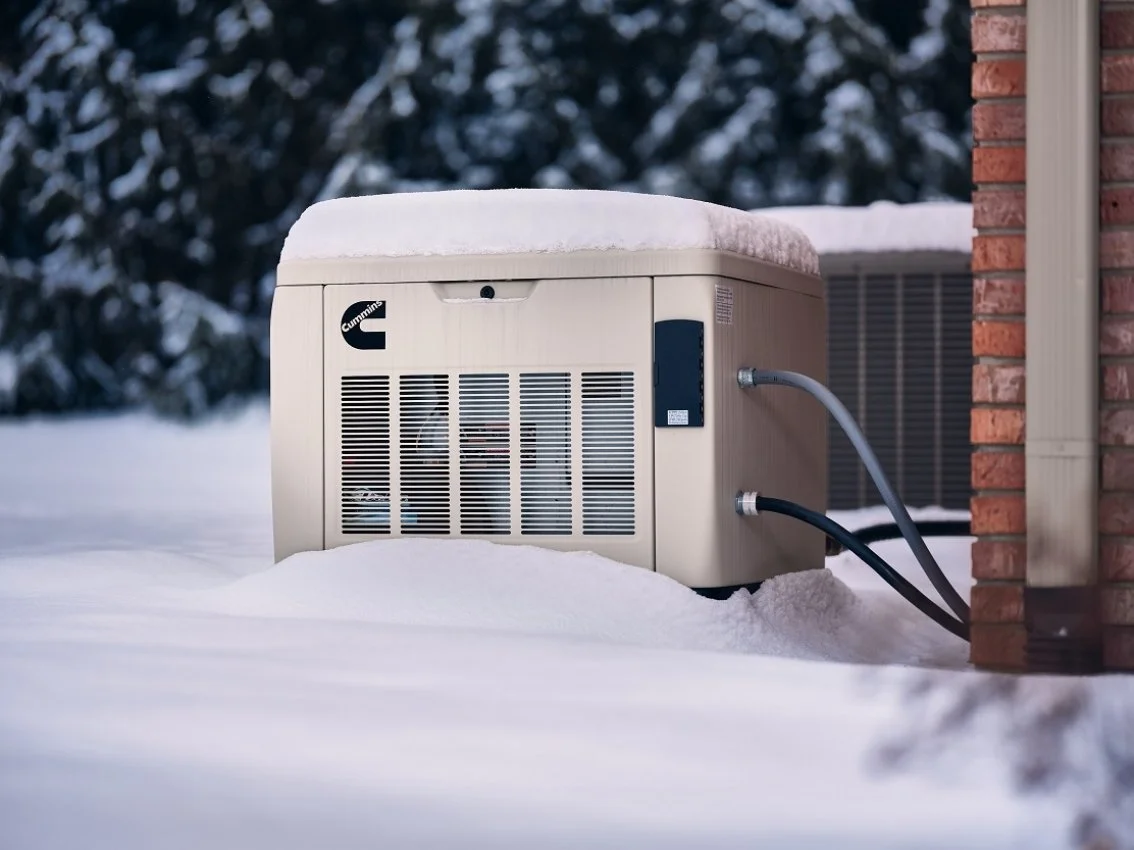
generac home standby generator in residential yard

Understanding the generac generator maintenance schedule explained in full is the difference between a generator that starts the moment the lights go out — and one that fails when your family needs it most. The primary cause of generator failure is not age or weather. It is simply a lack of maintenance.

Here is a quick overview of the core Generac standby generator maintenance schedule:

Service Milestone What Gets Done Timing
First oil change Oil and filter replacement to clear break-in debris After 25 hours of runtime
Routine oil change Oil, filter inspection, leak check Every 100 hours or once per year
Schedule A tune-up Oil, oil filter, full tune-up Every 200 hours or every 2 years
Schedule B tune-up Oil, filter, air cleaner, spark plugs, valve clearance Every 400 hours or every 4 years
Battery inspection Terminal cleaning, voltage test Every 6 months
Battery replacement Full battery swap Every 2-3 years
Transfer switch test Simulate outage, verify automatic operation Annually
Air filter replacement Clean or replace element Every 400 hours or in dusty conditions

For portable Generac units, oil changes are needed more frequently — every 50 hours — due to smaller oil systems and higher operating demands.

Even if your generator has low runtime hours, annual service still matters. Oil absorbs moisture during idle periods, which breaks down its protective properties over time. Time and hours both count.

I'm David Meyer, Vice President of Courtesy Electric Company, and over decades of working with backup power systems across the Colorado Front Range, I've seen how a missed oil change or skipped battery test turns a reliable standby generator into an expensive liability — making a clear generac generator maintenance schedule explained the foundation of any backup power plan. Let's walk through everything you need to know, step by step.

Generac generator maintenance schedule infographic showing service intervals from 25 hours to annual tune-up infographic

The Core Generac Generator Maintenance Schedule Explained

When you first install a Generac standby generator, it enters a critical "break-in" period. Just like a new car engine, the internal components of a generator engine need time to seat properly. During these first few hours of operation, tiny microscopic metal particles can shave off and enter the oil.

Generac control panel showing maintenance alerts and runtime hours

The 25-Hour Milestone: The Most Important First Step

The first major milestone in the generac generator maintenance schedule explained is the 25-hour break-in service. After your generator has run for its first 25 hours—whether that happens during a single long winter storm or over several months of weekly exercise cycles—you must change the oil and the oil filter. This removes the "break-in debris" and ensures the engine remains lubricated with clean, high-quality oil.

Routine Service Intervals

Once you’ve cleared the break-in period, the schedule shifts to routine maintenance. For most homeowners in Denver and the Front Range, this means checking the unit annually or every 100 hours of runtime. If we experience a particularly active storm season and your generator runs for several days straight, you might hit that 100-hour mark much faster than you expect.

To keep your system in peak condition, it helps to understand how often you should service your standby generator based on your specific usage patterns.

Routine Generac Generator Maintenance Schedule Explained for Standby Units

Standby units, such as the popular Guardian series (ranging from 10kW to 24kW), are designed for long-term reliability, but they aren't "set it and forget it" machines.

  • Annual Intervals: Even if the power never goes out, the oil in your generator can degrade. It sits in the crankcase and absorbs moisture from the air, which can lead to sludge and corrosion. We recommend an annual service visit at minimum.
  • 100-Hour Runtime: During a major outage, your generator might run for 24 hours a day. In just over four days, you’ve hit the 100-hour service threshold.
  • Oil Filtration: High-quality filtration is essential. We always use genuine Generac filters because they are designed to handle the specific flow rates and pressures of these air-cooled engines.

For those who want to take a proactive approach, following these generator maintenance tips for homeowners can help you spot small issues before they become expensive repairs.

Why a Generac Generator Maintenance Schedule Explained Matters for Portables

If you rely on a portable Generac generator for backup power or worksite use, your maintenance schedule is much more aggressive. Portable units typically have smaller oil capacities and are often air-cooled engines that work extremely hard under load.

  • 50-Hour Oil Changes: Most portable Generac models require an oil change every 50 hours. Because they hold less oil than a large standby unit, the oil breaks down faster under the high heat of operation.
  • Gasoline Stabilization: Unlike standby units that run on natural gas or propane, portables use gasoline. If gas sits in the tank for more than 30 days, it begins to varnish, which can clog the carburetor. Always use a fuel stabilizer or drain the tank if you aren't planning to use it soon.

Key Service Milestones: 50, 100, and 200-Hour Intervals

Generac categorizes their maintenance into specific levels, often referred to as Schedule A and Schedule B. Understanding these helps you plan for the longevity of your investment.

The 50-Hour and 100-Hour Checkpoints

The 50-hour mark is primarily a checkpoint for portable units, while the 100-hour mark is the standard "oil and filter" interval for standby units. During these visits, a technician doesn't just change the oil; we perform a comprehensive inspection:

  • Oil Replacement: Draining the old oil while the engine is warm ensures more contaminants are removed.
  • Filter Inspection: Replacing the oil filter to maintain high flow.
  • Leak Detection: Checking around the oil cooler and valve covers for any signs of weeping or active leaks.
  • Fuel Line Integrity: Inspecting the flexible fuel line for cracks or dry rot, which is vital for safety.

Knowing the signs your generator needs professional attention, such as unusual odors or puddles under the enclosure, can save you from a failed start during a blizzard.

The Annual or 200-Hour Comprehensive Tune-Up (Schedule A)

Every 200 hours or every two years, your generator requires a "Schedule A" service. This is a more involved tune-up that goes beyond the basic oil change.

  • Spark Plug Replacement: We inspect and replace the spark plugs. Over time, the gap can widen, making it harder for the generator to start in cold Colorado temperatures.
  • Air Filter Swap: A clogged air filter starves the engine of oxygen, reducing efficiency and potentially causing the unit to stall under heavy load.
  • Valve Clearance Adjustment: This is a technical step often overlooked by DIYers. Every 400 to 500 hours (Schedule B), the valves must be adjusted to the manufacturer's precise specifications (usually 0.002 to 0.004 inches) to ensure the engine runs smoothly and doesn't overheat.

Seeing these steps in action proves how proper maintenance extends generator life by years, if not decades.

Essential Components: Oil, Batteries, and Transfer Switches

To keep your Generac running, you need the right supplies. Using the wrong oil or neglecting the battery is the fastest way to void your warranty and end up in the dark.

Generac Model Oil Capacity Spark Plug Gap
9kW - 10kW 1.1 Quarts 0.020"
11kW 1.7 Quarts 0.030"
13kW - 17kW 1.9 Quarts 0.040"
18kW 2.2 Quarts 0.040"
20kW - 24kW 1.9 Quarts 0.040"

Oil Types and Capacities

For our Colorado climate, oil choice is critical. While SAE 30 is fine for warm weather, we almost exclusively recommend SAE 5W-30 Synthetic oil. This synthetic blend provides superior protection across all temperature ranges, ensuring your generator can crank easily even when it's -10°F in the Black Forest or Parker.

Most modern 20kW to 24kW Guardian units hold about 1.9 quarts of oil. It is vital never to overfill the unit, as this can cause pressure issues and oil leaks. Understanding how a standby generator works helps you appreciate why these specific fluid levels are so important for the internal combustion process.

Battery Health and Smart Charging

The battery is the "heartbeat" of your generator. If the battery is dead, the generator will never start, no matter how much fuel or oil it has.

  • 2-3 Year Lifespan: Even with Generac’s integrated smart battery charger, most batteries in Colorado only last 2 to 3 years due to our extreme temperature swings.
  • Terminal Corrosion: We check for white, powdery buildup on the terminals which can block the flow of electricity.
  • Cold Smart Start: Modern Generac units use a "Cold Smart Start" feature that helps the battery during winter by monitoring the temperature and adjusting the cranking cycle.
  • Voltage Testing: We perform a load test on every battery during our service visits. If it drops below a certain voltage during a simulated start, it’s time for a replacement.

Automatic Transfer Switch (ATS) Maintenance

The transfer switch is the brain of your backup system. It’s responsible for sensing when utility power is lost and safely "transferring" your home's electrical load to the generator.

  • Contact Cleaning: Over time, the electrical contacts inside the switch can develop carbon buildup or attract dust.
  • Simulation Testing: We manually trip the switch to ensure it moves freely and doesn't stick.
  • Mechanism Lubrication: Ensuring the mechanical linkages are lubricated allows for a seamless transition.

Maintaining this component is one of the many whole home generator benefits for Colorado homeowners, as it ensures your home transitions to backup power without you having to lift a finger.

Factors Influencing Maintenance Frequency in Colorado

Living in the Colorado Front Range means our generators face unique challenges that homeowners in other states don't have to worry about.

High-Altitude Adjustments

As we climb in elevation, the air gets thinner. Engine power actually decreases by about 3.5% for every 1,000 feet above sea level. For residents in high-altitude areas like Black Forest or the foothills, this means your engine works harder to produce the same amount of power. This extra strain can lead to faster oil degradation and the need for more frequent valve adjustments.

Temperature Extremes

Colorado is famous for "if you don't like the weather, wait five minutes." We can see 70-degree days followed by sub-zero nights. These temperature swings cause metal components to expand and contract, which can loosen fittings and fuel lines. Performing generator maintenance before Colorado storm season is the best way to ensure these environmental factors don't cause a system failure.

Environmental Impact on Service Needs

  • Dust Accumulation: If you live in a newer development or a rural area with dirt roads, dust can clog your air filter much faster than the 400-hour recommendation.
  • Heavy Household Loads: If your generator is powering multiple AC units, a well pump, and an electric range, it’s running at a high "load." High loads generate more heat, which breaks down oil faster.
  • Multi-Day Outages: After a major spring blizzard, it’s important to perform spring generator maintenance after winter to recover from the heavy runtime.

Consequences of Neglect and How to Track Service

Skipping maintenance isn't just a risk to your comfort; it’s a risk to your wallet. Power outages cost the U.S. economy billions of dollars every year, and much of that loss comes from failed backup systems.

The Risks of Skipping Service

  1. Startup Failure: The most common result of neglect. A dead battery or fouled spark plug will prevent the unit from starting exactly when you need it.
  2. Warranty Protection: Generac’s warranty explicitly states that "normal maintenance" is the responsibility of the owner. If your engine fails because you never changed the oil, the repair will not be covered.
  3. Engine Seizure: Running on low or old oil can cause the engine to overheat and "seize," which usually requires a total engine replacement.

Tracking Tools and Professional Support

The best way to stay on top of your generac generator maintenance schedule explained is to use technology and professional logs.

  • Mobile Link App: Most modern Generac units come with Mobile Link. This app sends alerts to your phone when the generator exercises, if there’s a fault code, or when it’s time for scheduled maintenance.
  • Maintenance Logs: We provide our customers with a physical or digital log to track every service visit, oil change, and battery swap. This is essential for warranty claims.
  • Maintenance Kits: For those who are handy, Generac sells pre-packaged kits that include the correct amount of oil, a filter, and spark plugs for your specific model.
  • Remote Diagnostics: As your local electrical experts, we can often monitor your system remotely to catch issues before you even know they exist.

Frequently Asked Questions about Generac Maintenance

When should I perform the first oil change on my new Generac?

You should perform the first oil change after the first 25 hours of runtime. This is the "break-in" period where the engine sheds tiny metal particles that need to be flushed out to protect the engine's long-term health.

What type of oil is best for Colorado’s climate?

We highly recommend SAE 5W-30 Full Synthetic oil. It provides the best protection for the extreme temperature swings we see in the Denver and Front Range areas, allowing for easier starts in the winter and better cooling in the summer.

How long does a Generac generator battery typically last?

In Colorado, a generator battery typically lasts 2 to 3 years. While some may last longer, the intense cold and heat cycles of our region tend to wear them down faster. We recommend replacing them proactively every 30 months to avoid a "no-start" situation.

Can I change the oil myself?

Yes, homeowners can perform basic oil and filter changes if they are comfortable working with mechanical equipment. However, tasks like valve clearance adjustments and transfer switch testing should be left to certified professionals to ensure safety and warranty compliance.

Conclusion

A Generac standby generator is one of the best investments you can make for your home’s safety and your family’s peace of mind. But like any high-performance machine, its reliability depends entirely on the care it receives. By following the generac generator maintenance schedule explained in this guide, you ensure that when the grid goes down, your home stays bright, warm, and safe.

At Courtesy Electric Company, we’ve been serving the Denver and Colorado Front Range communities since 1976. We specialize in quality installations and comprehensive maintenance for Generac and Cummins generators, as well as Franklin battery storage and SPAN smart panels. Whether you are in Highlands Ranch, Parker, or the Black Forest, our team is here to provide the expert service you need to keep your backup power ready for anything.

If you have questions about your generator's health or want to schedule a professional tune-up, we are here to help. For more info about electrical services or to request a free estimate on a new installation, contact us today. Let's make sure your home is never left in the dark.