
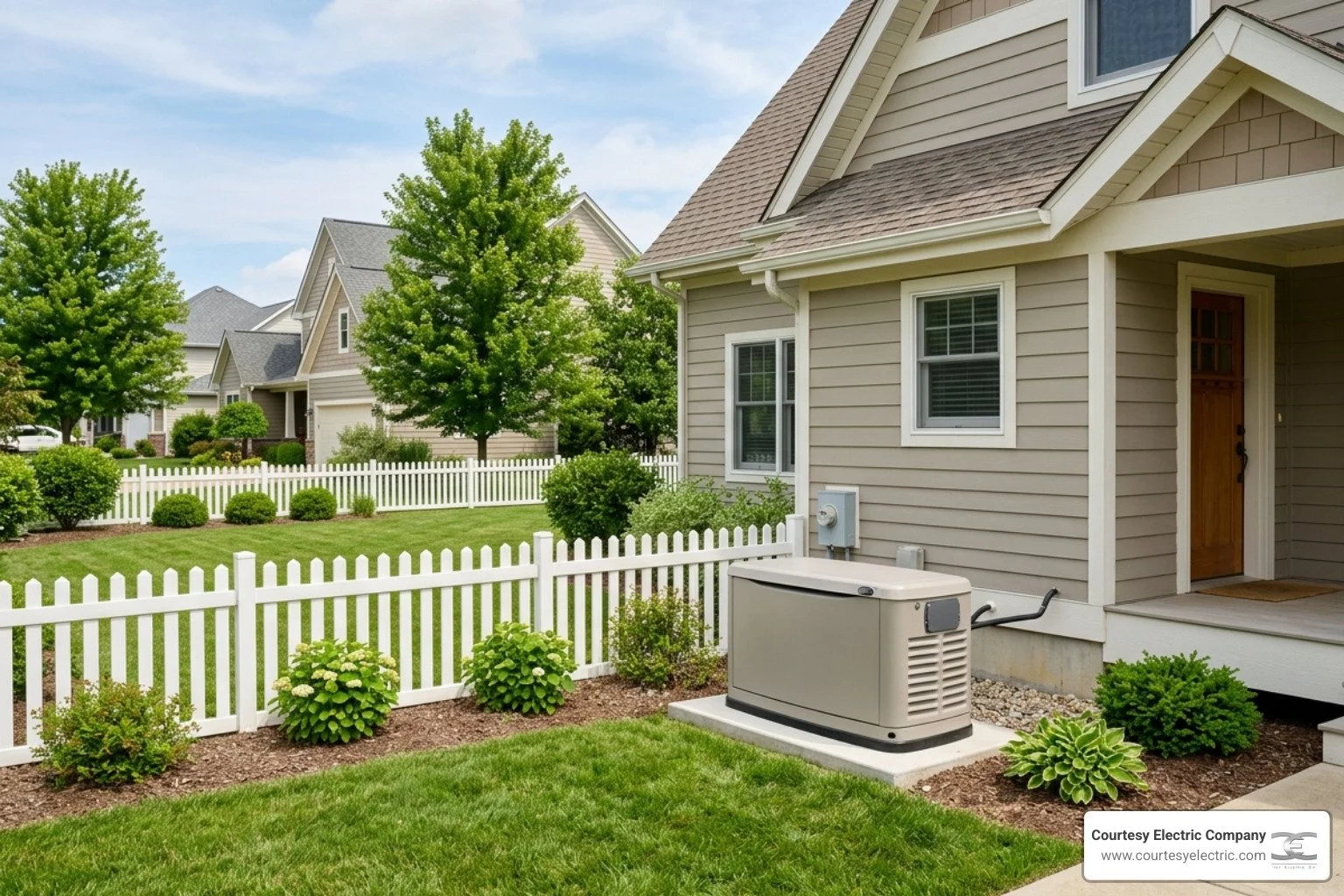
Why generator maintenance tips for homeowners Can Mean the Difference Between Power and Darkness

Following generator maintenance tips for homeowners is one of the most important things you can do to protect your home during a power outage. Here are the essential tasks to keep your generator ready when you need it most:
Core Generator Maintenance Tasks at a Glance:
| Task | Frequency |
|---|---|
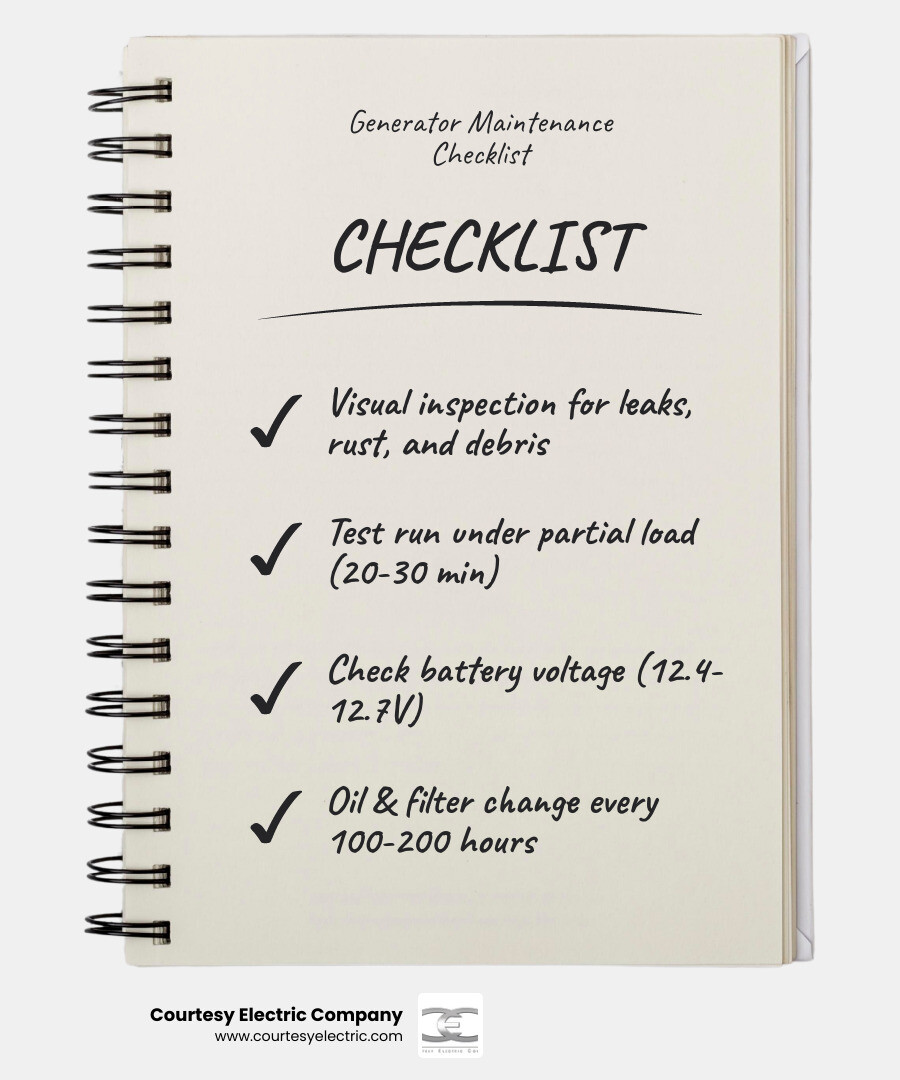
| Visual inspection for leaks, rust, and debris | Weekly |
| Test run under partial load (20-30 min) | Monthly |
| Check battery voltage (target: 12.4-12.7V) | Monthly |
| Check and top off oil level | Monthly |
| Inspect air filter | Every 25-50 hours |
| Change oil and oil filter | Every 100-200 hours or annually |
| Replace spark plugs | Every 100-200 hours or once per season |
| Replace air filter | Every 200 hours or once per year |
| Professional full-service inspection | Annually or every 200 hours |
| Battery replacement | Every 3-5 years |
Poorly maintained generators fail at a rate 63% higher than those that receive regular care. For Colorado Front Range homeowners, where winter storms and high-altitude weather can knock out power without warning, that statistic is not just a number — it is a cold house, spoiled food, and a generator that refuses to start at 2 a.m. during an ice storm. Regular upkeep is what separates a generator that quietly does its job from one that lets you down the moment it matters most. A well-maintained unit can serve your home reliably for 15 to 20 years. A neglected one may give out in as few as five to seven years.
I'm David Meyer, Vice President of Courtesy Electric, a Colorado electrical contractor with roots going back to 1976 and decades of hands-on experience installing and servicing home backup power systems across Denver and the Front Range. My experience with generator maintenance tips for homeowners comes from working directly in the field — not just overseeing it — and I'll walk you through exactly what it takes to keep your backup power system performing at its best.
Why Generator Maintenance Tips for Homeowners are Essential for Reliability
When we install a high-quality Generac or Cummins system in a Denver home, we often tell the homeowners that they aren't just buying a machine; they are buying an insurance policy against the unpredictable Colorado grid. However, just like you wouldn't expect a car to run for twenty years without an oil change, you can’t expect a standby generator to sit idle in the snow for months and then roar to life perfectly without a little TLC.
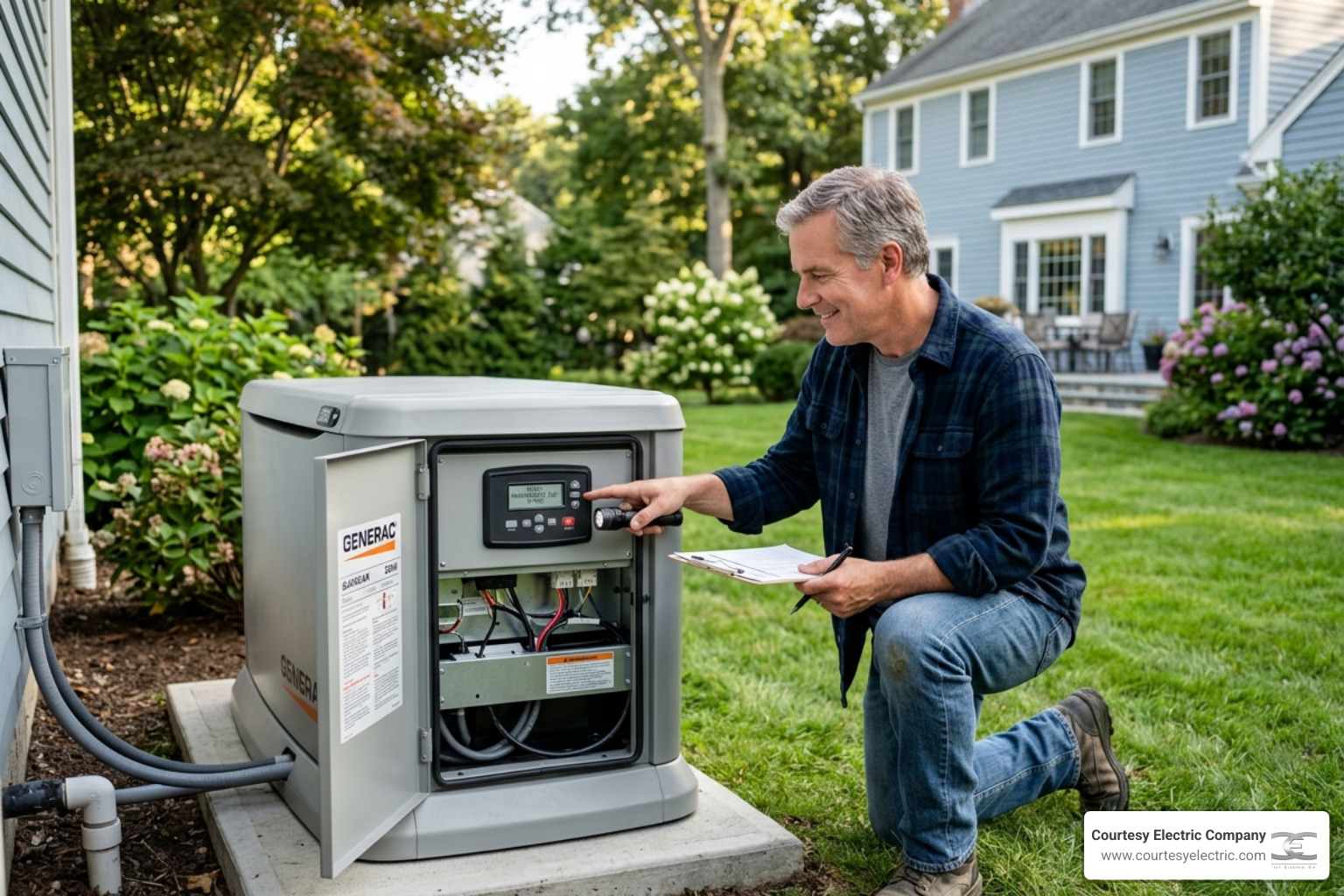
The stakes are higher than most people realize. Research shows that poorly maintained generators have a 63% higher failure rate during emergencies. In our region, an emergency usually means sub-zero temperatures or heavy spring snow weighing down power lines. If your generator fails then, you risk frozen pipes and a very uncomfortable night.
By following consistent generator maintenance tips for homeowners, you are actively extending the lifespan of your investment. A well-cared-for unit can last up to 20 years, whereas a neglected one might fail in as little as five to seven. Beyond longevity, regular maintenance is often a requirement to keep your manufacturer's warranty valid. Most importantly, it ensures family safety. Whether you rely on electricity for medical equipment, a home office, or just keeping the sump pump running to prevent a flooded basement, reliability is non-negotiable. For a deeper dive into the specific needs of our local systems, check out our Generators Fraser CO Complete Guide.
Establishing a Routine Maintenance Schedule
Consistency matters more than perfection. We recommend setting a recurring "date night" with your generator—or at least a recurring calendar alert. Because generators sit idle for long periods, they face unique challenges like moisture buildup, fuel degradation, and even uninvited guests (rodents love a warm generator enclosure).
| Maintenance Frequency | Key Tasks to Perform |
|---|---|
| Weekly | Visual check for leaks, loose wires, and debris; confirm no warning lights. |
| Monthly | 20-30 minute exercise run; check oil levels; inspect battery terminals. |
| Semi-Annually | Detailed cleaning; check air filter; inspect fuel lines for cracks. |
| Annually | Full oil/filter change; spark plug replacement; professional load test. |
Most modern standby generators have an hour-meter. We typically suggest a major service every 200 operating hours or once a year, whichever comes first. If we’ve just installed a new unit for you, remember the "break-in" period: most manufacturers require an initial oil change after the first 25 to 30 hours of use to clear out any tiny metal shavings from the new engine. For more details on timing, see our Generators Maintenance Guide Fraser CO.
Monthly Generator Maintenance Tips for Homeowners
Once a month, you should perform a "mini-physical" on your unit. Most standby systems are programmed to perform a weekly "exercise cycle," which is a short run to keep the engine lubricated and the seals from drying out. However, a monthly 20-30 minute test run under a partial load is even better. This ensures the generator isn't just turning over, but actually producing stable power.
During this monthly check, look at your battery. The battery is the single most frequent point of failure when maintenance is ignored. Use a multimeter to check the voltage; you’re looking for a range between 12.4V and 12.7V. If it’s dipping below 12.4V, the battery may be reaching the end of its life. Also, take a moment to clear away any leaves, nests, or snow that might be blocking the intake louvers.
Annual Generator Maintenance Tips for Homeowners
Once a year, it’s time to bring in the pros. While many homeowners are comfortable checking oil, an annual professional tune-up covers the more technical "health markers" of your system. We check the Automatic Transfer Switch (ATS) to ensure it’s communicating perfectly with your home's electrical panel. We also perform frequency calibration and voltage stability tests. If your generator's output fluctuates too much, it can actually damage sensitive electronics like your computer or smart TV.
An annual visit also includes a full inspection of the enclosure integrity. In the Colorado Front Range, our extreme temperature swings can cause gaskets to shrink or fasteners to loosen. We make sure everything is tight, dry, and ready for storm season. You can find more about these specialized visits on our page for the Best Generators Services in Fraser CO.
Essential DIY Tasks: Oil, Filters, and Spark Plugs
If you’re the type of homeowner who enjoys a Saturday morning project, there are several tasks you can handle yourself. Think of oil and filters as the "bloodwork" of your generator.
For our climate in Denver and the surrounding areas, we almost always recommend full synthetic oil, specifically a 5W-20 or 5W-30 viscosity. Synthetic oil flows much better in the freezing temperatures of a Colorado January, which means less wear and tear on your engine during a cold start.
The 200-Hour Rule: Generally, you should change the oil and the oil filter every 200 hours of operation. However, if we are in the middle of a heatwave or a particularly dusty summer, we recommend bumping that up to every 100 hours. A clean air filter is equally vital. A clogged filter starves the engine of oxygen, leading to overheating and poor power output. We suggest inspecting the air filter every 25 hours of use during an extended outage.
Spark Plug Efficiency: Don't overlook the spark plugs. For Generac systems, we typically recommend inspecting the spark gap every 400 hours. However, for the best reliability, many of our customers simply replace them once a year or every 200 hours. A fresh spark plug ensures the engine ignites fuel efficiently, preventing that dreaded "hunting" or surging sound where the engine struggles to maintain a steady RPM. For help with your initial setup, visit our guide on Generators Installation in Fraser CO.
Protecting the Fuel System and Battery Health
A generator is only as good as the energy it consumes. Whether your unit runs on gasoline, propane, or natural gas, fuel management is a critical part of generator maintenance tips for homeowners.
If you have a portable generator that runs on gasoline, you need to be aware that gasoline begins breaking down after just 30 days. Stale fuel creates a gummy "varnish" that can ruin your carburetor. Always use a quality fuel stabilizer, which can extend the shelf life of your gas to 12-24 months. For standby units running on propane, keep an eye on your tank levels; we recommend never letting them dip below 20%. For natural gas units, a quick visual check of the connections to ensure there’s no corrosion or debris near the shut-off valve is plenty.
The Battery Cycle: As we mentioned, the battery is often the weak link. Even if it seems fine, we recommend a proactive replacement every three to four years. Cold Colorado winters are brutal on lead-acid batteries. If you see white, crusty powder on the terminals, that’s corrosion. You can clean this off easily with a stiff wire brush and a paste made of baking soda and water. Just make sure the generator is off and the battery is disconnected before you start scrubbing!
Safety Protocols and Weather Protection
Safety should always be your top priority. The most dangerous mistake a homeowner can make is improper placement.
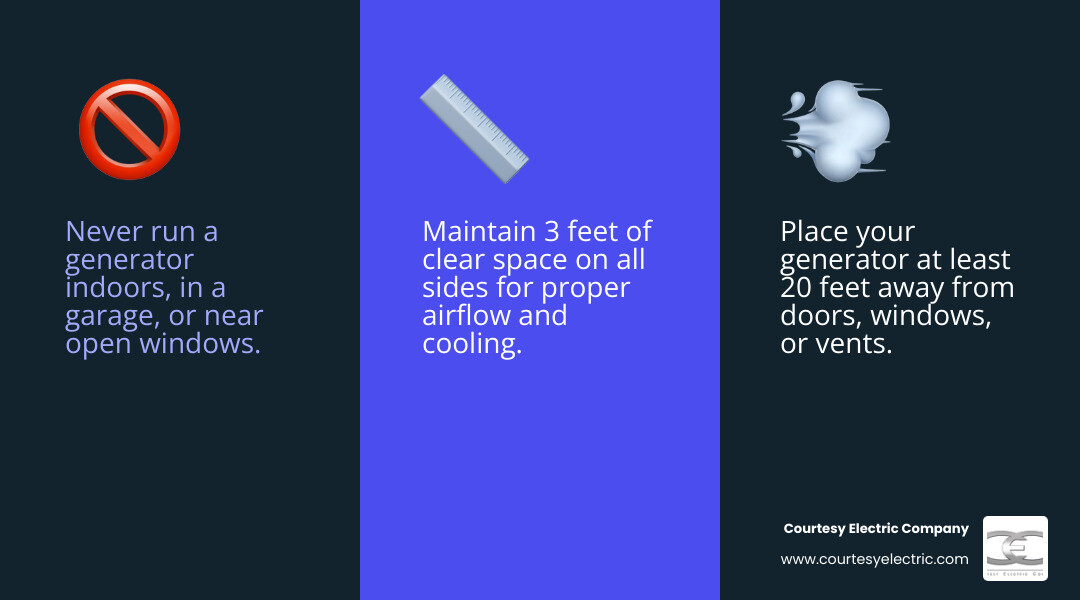
The 20-Foot Rule: Never, ever run a generator—portable or standby—indoors, in a garage, or near an open window. Carbon monoxide (CO) is an odorless, colorless killer. We recommend placing your generator at least 20 feet away from any doors, windows, or vents. Ensure the exhaust is pointed away from your home and your neighbors' homes. It’s also vital to have working CO detectors on every level of your house.
Clearance and Airflow: Your generator needs to breathe. Maintain at least 3 feet of clear space on all sides of the unit. This isn't just for maintenance access; it’s for airflow. If the unit is crowded by shrubs or stored under a tarp, it can overheat and shut down—or worse, become a fire hazard.
In our area, we also have to deal with critters. Mice and squirrels love to chew on wires. We often install "fascia kits" or base plugs that help seal the bottom of the unit, preventing rodents from making a home inside your engine. Also, ensure your generator is installed on a level, elevated pad (like a concrete or gravel bed) to protect it from local flooding or heavy snowmelt.
Recognizing Warning Signs and Seeking Professional Help
Sometimes, your generator will try to tell you it’s unhappy before it actually fails. Learning the "sounds of trouble" can save you from a massive repair bill down the road.
- Struggling Starts: If the engine cranks for a long time before starting, your battery or spark plugs are likely failing.
- Rough Idling: If the generator sounds like it’s "stuttering" or the RPMs are bouncing up and down, you might have a fuel line issue or a clogged filter.
- Unusual Noises: Metallic grinding, loud rattling, or knocking sounds are signs of internal engine wear. Turn the unit off immediately.
- Exhaust Smoke: A little smoke on startup is normal, but persistent black smoke (too much fuel), blue smoke (burning oil), or white smoke (coolant leak in liquid-cooled units) needs professional attention.
- Warning Lights: Don't ignore the yellow light! On Generac systems, a yellow light usually indicates that a scheduled maintenance interval has been reached. It doesn't mean the unit won't run, but it’s a reminder that you’re overdue for a checkup.
If you see electrical flickering in your home while the generator is running, or if the generator’s circuit breaker trips frequently, there may be an issue with the voltage regulator. These are complex repairs that involve high-voltage components and should always be handled by a certified technician. For expert help in the Denver area, visit our Best Generators Services in Fraser CO page.
Frequently Asked Questions
How long can a generator sit unused before it fails?
A generator shouldn't sit for more than a month without being run. If it sits for several months, the oil can settle, seals can dry out, and moisture can accumulate in the alternator windings. Running your generator for 20-30 minutes every month is the best way to ensure it stays lubricated and ready for action.
Can I perform my own generator oil changes without voiding the warranty?
Yes, most manufacturers allow homeowners to perform basic maintenance like oil and filter changes. However, you must keep a detailed log and copies of your receipts for the oil and filters you purchased. If the engine fails and you can't prove you maintained it, the manufacturer may deny your warranty claim.
What is the most common reason a home generator fails to start?
The winner (or loser) is almost always the battery. Whether it’s due to age, extreme cold, or corroded terminals, a dead battery is the #1 service call we receive. Following the generator maintenance tips for homeowners regarding battery testing and cleaning will prevent the vast majority of "no-start" situations.
Conclusion
Peace of mind shouldn't be a luxury—it should be a standard feature of your home. By following these generator maintenance tips for homeowners, you’re taking the guesswork out of emergency preparedness. Whether you are in Denver, Parker, Highlands Ranch, or the Black Forest, the Colorado Front Range is a beautiful place to live, but our weather demands respect and preparation.
At Courtesy Electric Company, we’ve been helping our neighbors stay powered up since 1976. From quality installations of Generac and Cummins units to smart home integrations like SPAN panels and Franklin battery storage, we are here to ensure your home remains a sanctuary, no matter what the weather does outside.
Don’t wait for the next storm to find out if your generator is ready. Schedule your professional generator service with Courtesy Electric Company today and rest easy knowing your lights will stay on when the neighborhood goes dark.


