
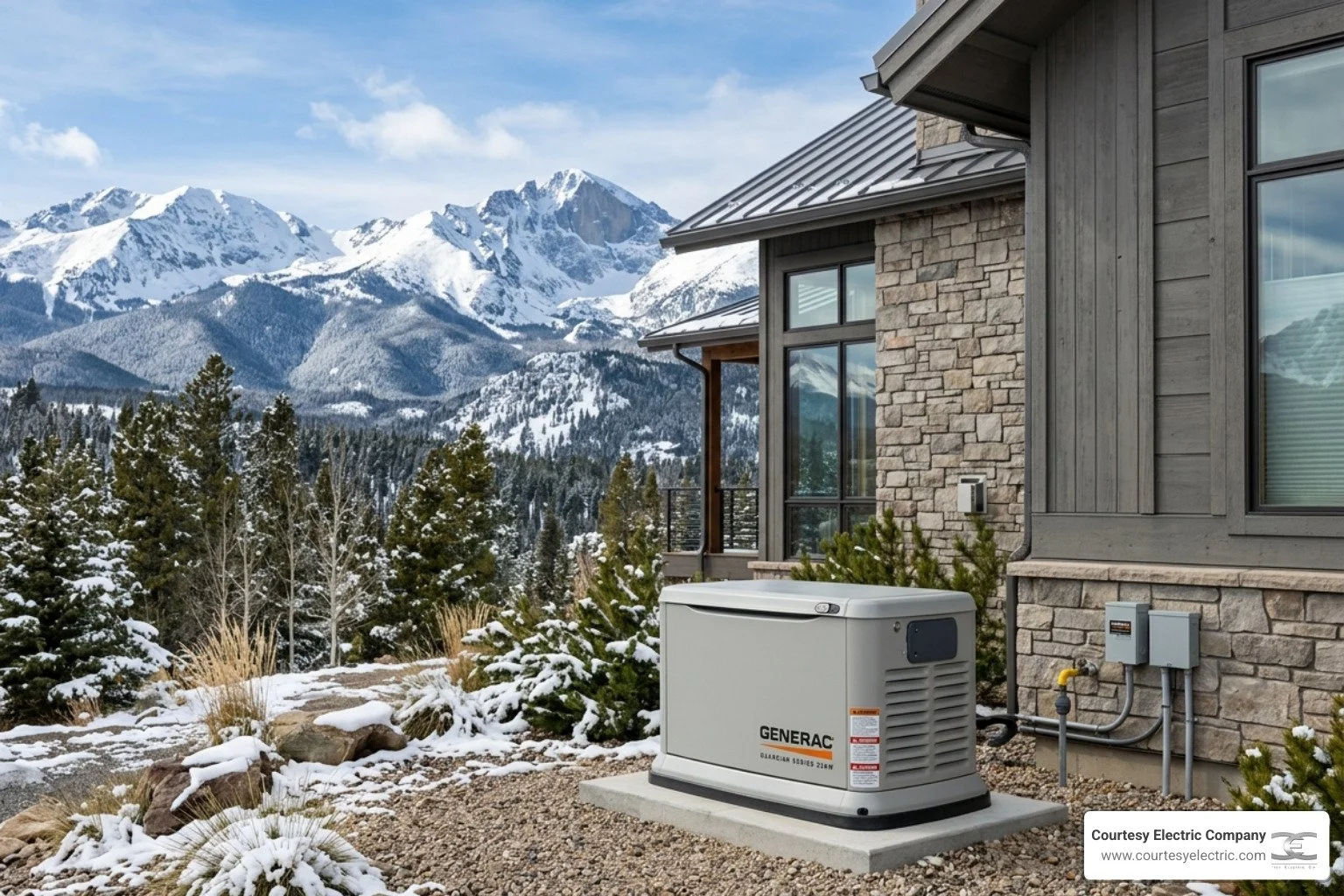
Is Your Generator Ready When It Matters Most? Signs Your Generator Needs Professional Attention
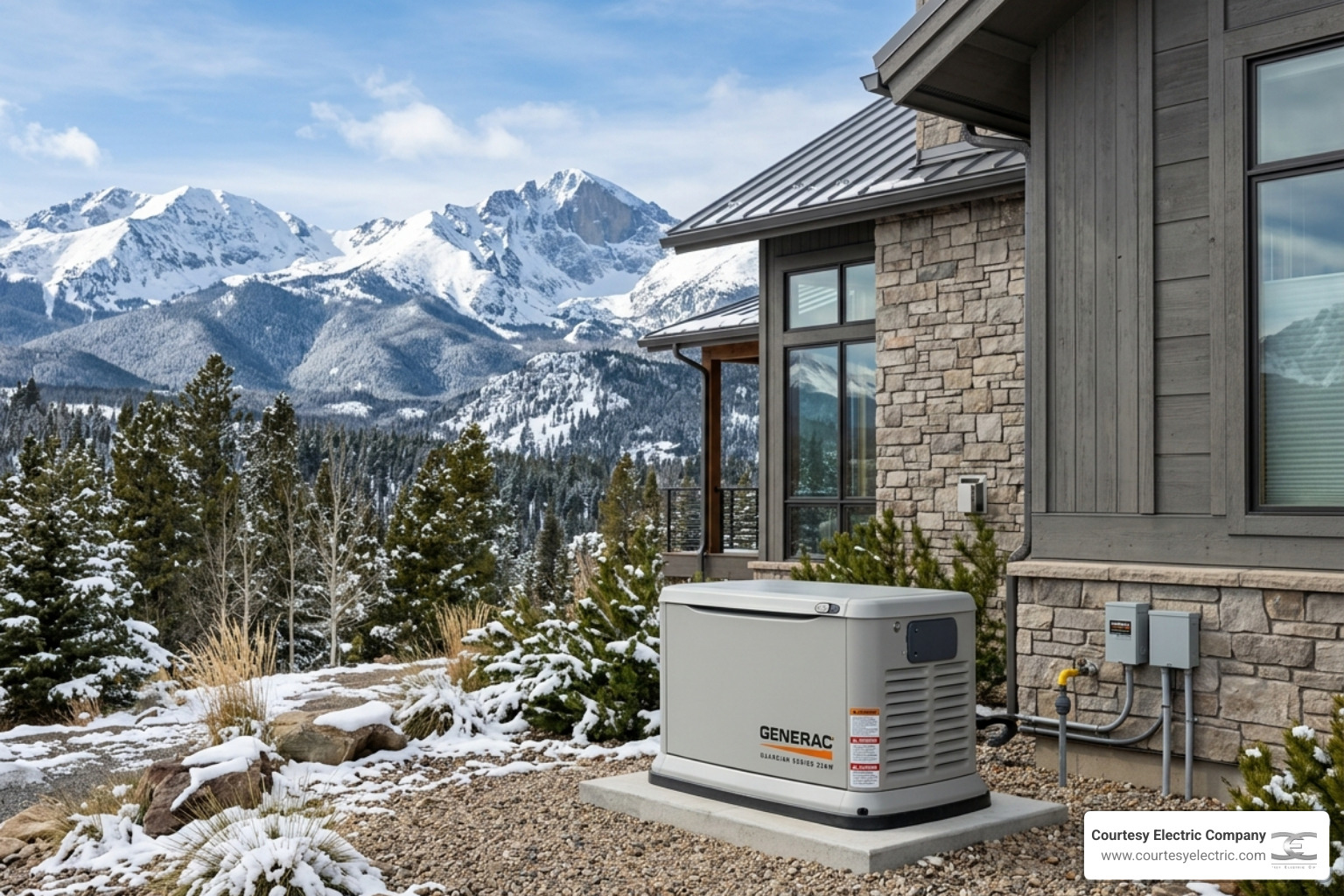
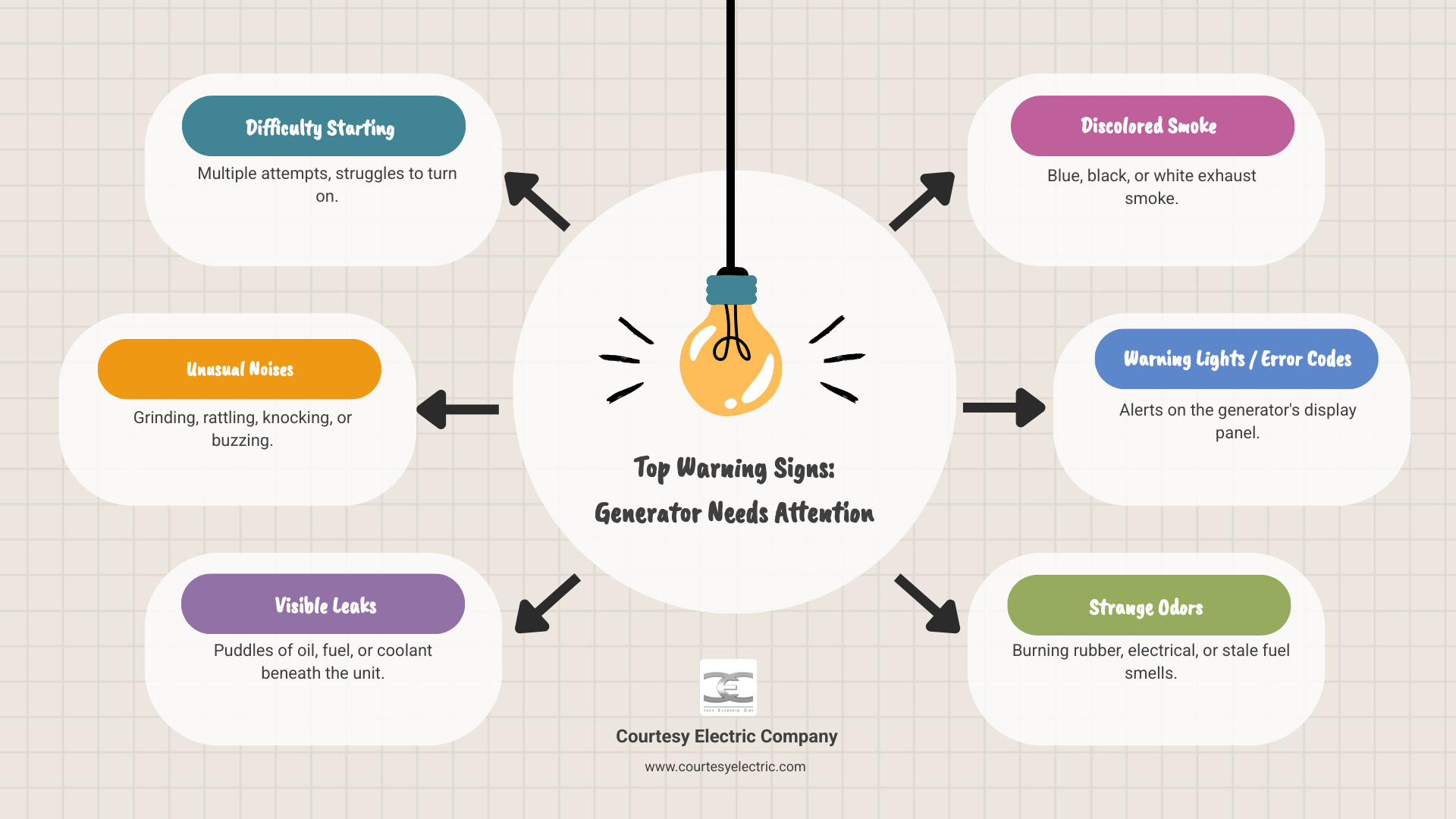
The signs your generator needs professional attention are often easy to spot — if you know what to look for:
- Difficulty starting or requiring multiple attempts to turn on
- Unusual noises such as grinding, rattling, knocking, or buzzing during operation
- Visible leaks — puddles of oil, fuel, or coolant beneath the unit
- Excessive or discolored exhaust smoke (blue, black, or white)
- Inconsistent or flickering power output while the generator is running
- Strange odors like burning rubber, electrical smells, or stale fuel
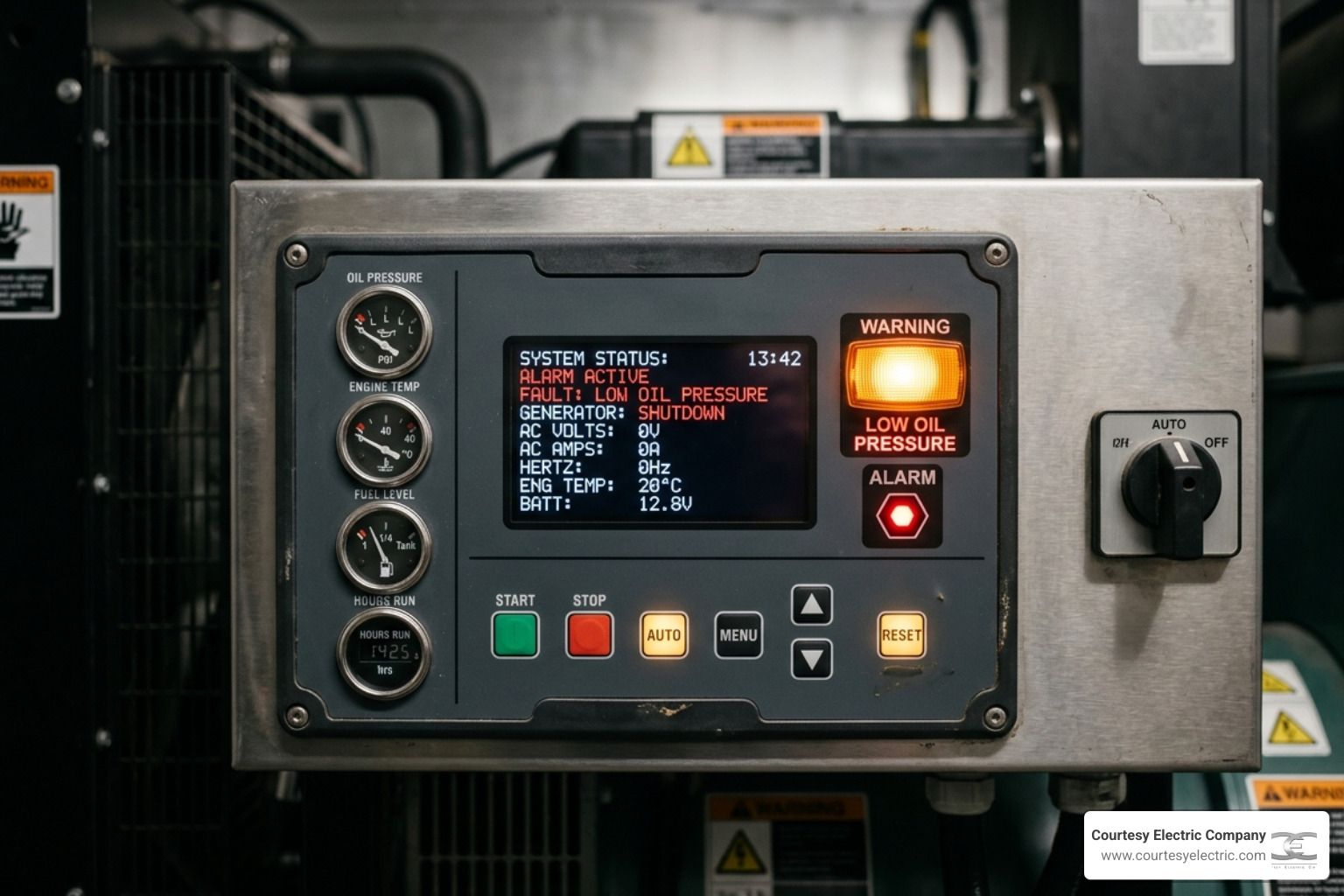
- Warning lights or error codes on the generator's display panel
- Increased fuel consumption without a clear reason
- Visible corrosion, rust, or frayed wiring on the exterior
- Overdue or missed maintenance — no service in the past year or 200+ hours of use
Approximately 3.5 million Americans experience a power outage every single week — and weather-related outages are only getting more frequent. Here in Colorado, that reality hits close to home. A standby generator is your household's insurance policy when the grid goes down. But here's the catch: your generator won't warn you it's failing until it actually fails — usually at the worst possible moment.
The difference between a well-maintained generator and a neglected one is staggering. Research shows that properly maintained units average a mean time to failure of 1,662 hours, while poorly maintained ones drop to just 61 hours. That's more than 25 times the reliability — simply from staying on top of warning signs and routine service.
I'm David Meyer, Vice President of Courtesy Electric, and with decades of hands-on experience installing and servicing backup power systems across Denver and the Colorado Front Range, I've seen how catching the signs your generator needs professional attention early can mean the difference between a quick fix and a costly replacement. Let's walk through exactly what to watch for.
Critical Performance Signs Your Generator Needs Professional Attention
When we think about our generators, we often assume they are "set it and forget it" machines. However, the internal combustion engine inside a standby unit is just as complex as the one in your car. It relies on a precise balance of fuel, air, and electricity to kick on the second your home loses utility power. When that balance is off, the system will start giving you subtle hints that something is wrong.
Monitoring the control panel is one of the easiest ways for homeowners to stay ahead of trouble. Modern units from manufacturers like Generac and Cummins are designed to run self-diagnostic tests. If you see a blinking light or a specific fault code, it’s the machine’s way of asking for a check-up. Ignoring these performance dips often leads to a "domino effect," where a small, inexpensive issue like a clogged filter eventually causes a total engine seizure.
For a deeper dive into how to keep your system in peak condition, check out our Generators Maintenance Guide Fraser, CO.
Difficulty Starting and Inconsistent Power Output
One of the most common signs your generator needs professional attention is a "hard start." If your generator struggles to turn on, hesitates, or requires multiple attempts before it finally catches, you are looking at a critical warning sign. This is often caused by a weak or dead battery, but it can also stem from problems with the master ignition switch or fuel delivery issues.
Inconsistent power is another major red flag. If your generator is running but your lights are flickering or your sensitive electronics (like your computer or smart fridge) keep rebooting, the generator is failing to maintain a steady voltage. This usually points to a failing master control panel or an issue with the master phase selector. Because unsteady power can actually fry your home’s appliances, this is a symptom that requires an expert electrical service immediately.
Increased Fuel Consumption and Efficiency Drops
Have you noticed that you're burning through propane or diesel much faster than you did in previous years? Increased fuel consumption is a classic sign of engine strain. When a generator has fouled spark plugs or a clogged air filter, the engine has to work significantly harder to produce the same amount of electricity.
Over time, this strain can damage the master fuel injectors or the master combustion chamber. If the master fuel pump is struggling to maintain pressure, the entire system becomes inefficient and prone to overheating. If your fuel bills are spiking during outages, it's a clear signal that internal components are wearing out and need professional calibration.
Visual and Sensory Red Flags to Watch For
Sometimes, you don't even need to look at a control panel to know there's trouble; your senses will tell you first. In the dry, high-altitude climate of the Colorado Front Range, our generators deal with extreme temperature swings and dust, which can accelerate the wear on master gaskets and master hoses.
What Different Smoke Colors Indicate
Exhaust smoke is a great diagnostic tool. A healthy generator should have mostly clear exhaust once it has warmed up. If you see thick, colored smoke, here is what your generator is trying to tell you:
- Blue Smoke: This almost always indicates that the engine is burning oil. It’s often caused by worn piston rings or failing valve seals.
- Black Smoke: This suggests a "rich" fuel mixture, meaning there is too much fuel and not enough air. This could be a restricted master exhaust system or a malfunctioning carburetor/fuel injector.
- White Smoke: This is a major warning of a coolant leak. If coolant enters the combustion chamber, it produces white vapor. This can lead to rapid overheating and catastrophic engine failure.
Unusual Odors and Auditory Signs Your Generator Needs Professional Attention
Your generator should produce a consistent, rhythmic hum. If it starts sounding like it’s trying to join a heavy metal band, you have a problem. Loud clanking or knocking usually indicates internal mechanical wear or a loose master bearing. A squealing sound often points to a worn master alternator belt, while grinding is a sign that a bearing is failing completely.
Smells are just as important. A strong burning odor (like rubber or plastic) can indicate an electrical short or friction from a failing part. If you smell raw gas or stale fuel, you may have a leak or fuel that has degraded over time. Stale fuel is a common culprit for starting issues in Denver homes where generators might sit idle for months between storms.
Identifying Visible Signs Your Generator Needs Professional Attention
We always recommend that residential customers perform a quick visual walk-around of their unit once a month. Look for the following:
- Fluid Puddles: Any sign of oil, green/pink coolant, or fuel beneath the unit is an emergency.
- Corrosion and Rust: Colorado winters involve a lot of salt and moisture. Rust on fuel lines or electrical connections can lead to leaks or fires.
- Pest Damage: Mice and squirrels love the warmth of a generator housing. They can chew through master hoses and frayed wires in a single weekend.
| Feature | Minor Exterior Wear | Critical Internal Failure |
|---|---|---|
| Visual | Small surface rust spots | Puddles of oil or coolant |
| Audio | Standard humming | Grinding, knocking, or banging |
| Smell | Faint exhaust on startup | Strong burning or raw fuel odor |
| Wires | Dusty connections | Frayed, chewed, or melted wiring |
Why Regular Maintenance and Lifespan Matter
Most high-quality standby generators are designed to last between 10 and 15 years. However, that lifespan is entirely dependent on how well the unit is maintained. Think of it like a car: if you never changed the oil or checked the tires, you wouldn't expect it to last a decade.
The statistics are clear: well-maintained units are 25 times more reliable than neglected ones. We recommend professional services at least once a year, or every 200 hours of operation. In a particularly bad year for outages, you might hit that 200-hour mark sooner than you think!
If you're looking for the best team to handle this, read more about our Best Generators Services in Fraser, CO.
Warning Lights and Error Codes
Modern generators are "smart" machines. They perform a weekly master self-test cycle to ensure everything is lubricated and the battery is charging. If this test fails, a diagnostic light will turn on. Common fault codes include:
- Low Oil Pressure: The system will shut down to prevent the engine from melting down.
- Over-crank: The generator tried to start multiple times but failed.
- Battery Charge Failure: The master automatic transfer switch or the internal charger isn't keeping the battery ready.
- Sensor Malfunctions: Sometimes the engine is fine, but a faulty sensor is sending bad data to the control panel.
Don't wait for a blizzard to find out what that blinking yellow light means. If you're in the Denver area, we can help you decode those signals and get the unit back to "Ready" status. You can learn more in our Generators Fraser, CO Complete Guide.
Frequently Asked Questions about Generator Repair
We hear a lot of questions from folks in Parker, Highlands Ranch, and across the Front Range about their backup power systems. Here are the most common concerns.
When should I immediately stop using my generator?
You should hit the emergency stop button immediately if you hear loud mechanical clanking, smell a strong burning odor, or see a significant fluid leak. Running a generator with these symptoms can turn a repairable issue into a total loss. Safety is the priority; if it smells like fire or sounds like a bag of hammers, turn it off and call a pro.
How does regular maintenance extend generator lifespan?
Maintenance prevents the "domino effect." For example, a dirty air filter makes the engine run hot. Running hot thins the oil and wears out the master gaskets. Worn gaskets lead to oil leaks, which eventually cause the engine to seize. By simply replacing that $50 filter during a routine visit, you avoid a multi-thousand-dollar engine rebuild.
Can I perform my own generator diagnostics?
While we encourage you to keep the area around the unit clear of debris and check your oil levels, most repairs should be left to a licensed technician. Standby generators involve high-voltage electricity and pressurized fuel lines. Furthermore, many manufacturers like Generac and Cummins require proof of professional annual service to keep your warranty valid. DIY repairs on these complex systems can accidentally void that protection.
Conclusion
Your generator is more than just a piece of machinery; it’s the heartbeat of your home’s safety system during an emergency. Since 1976, Courtesy Electric Company has been dedicated to providing the Denver and Colorado Front Range communities with electrical solutions built on quality, integrity, and dependability.
Whether you need a routine check-up for your Generac or Cummins unit, or you’re looking to upgrade to modern tech like SPAN smart panels or Franklin battery storage, our team is here to help. We’ve spent decades ensuring that when the lights go out in the Black Forest or downtown Denver, our customers stay powered up and protected.
Don't wait for the next big Front Range storm to test your luck. If you've noticed any of the signs your generator needs professional attention, reach out to us today. We offer free estimates on all installations and are ready to ensure your "insurance policy" is ready to pay out when you need it most.
Contact us today for more info about our electrical services or to schedule your generator inspection. For more information on getting a new system, see our guide on Generators Installation in Fraser, CO.


