
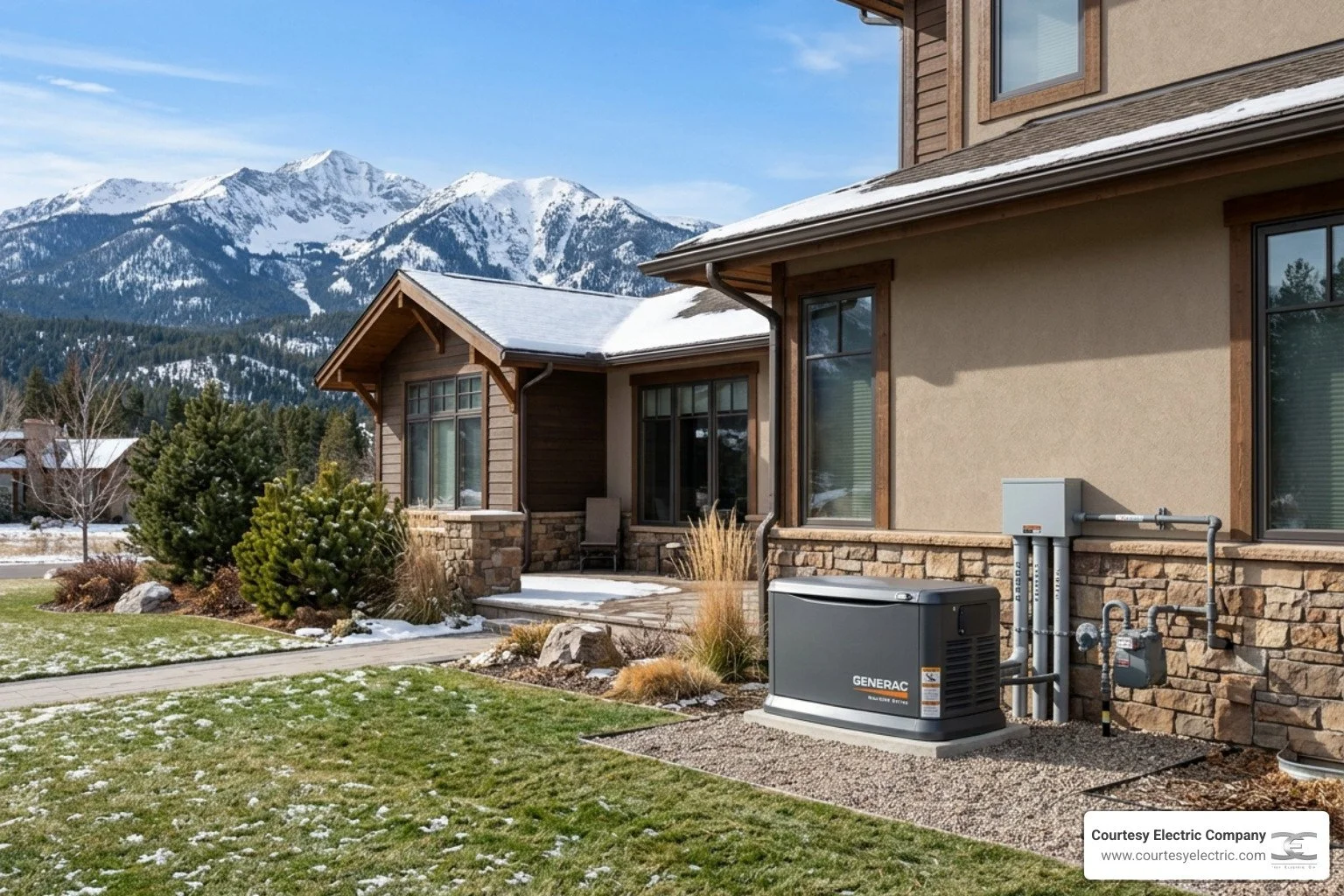
Why Maintenance Is the Best Investment for Your Generator
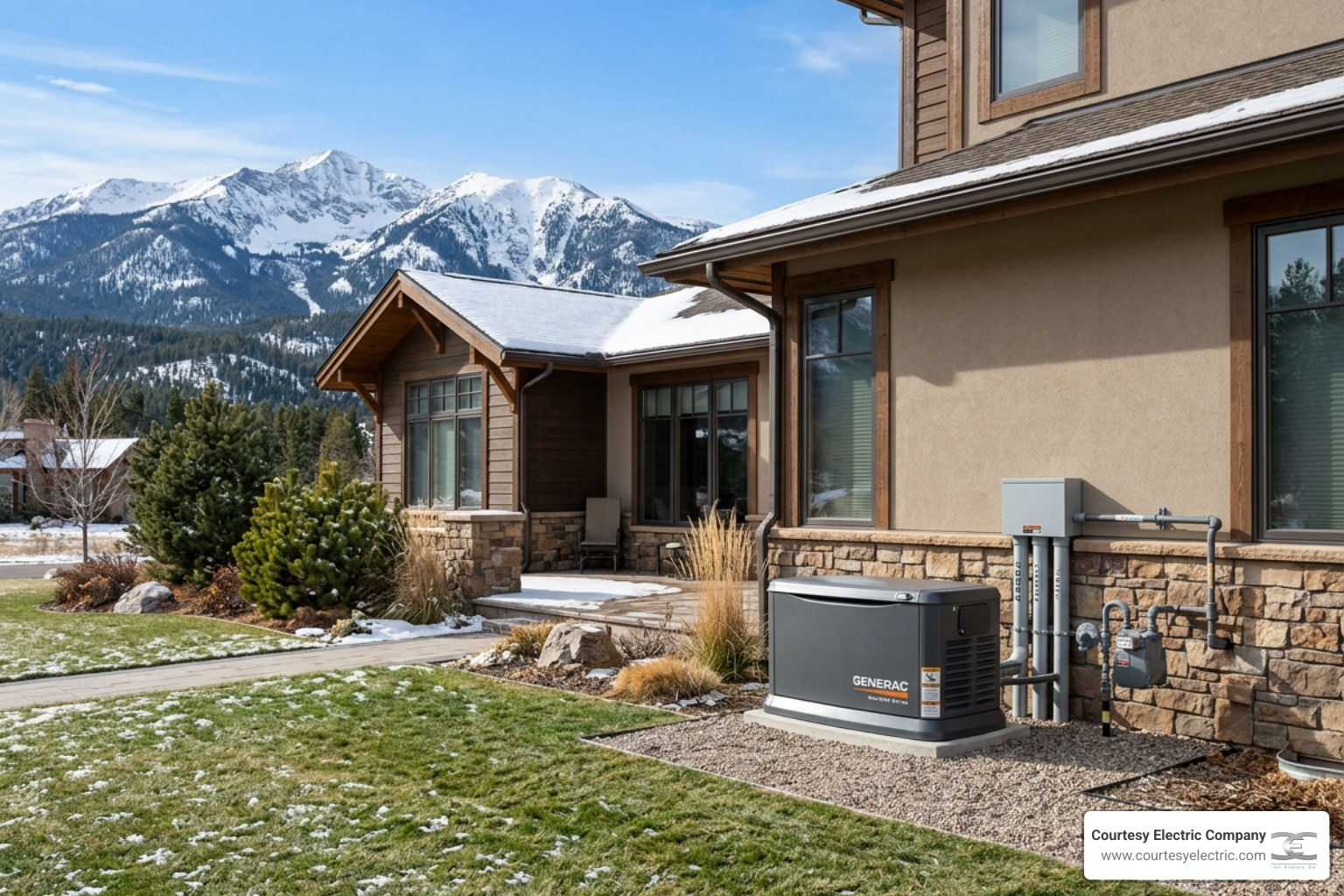
How proper maintenance extends generator life is one of the most important things a homeowner can understand before a power outage hits. The short answer:
How Proper Maintenance Extends Generator Life — Quick Summary
| Maintenance Action | Impact on Generator Life |
|---|---|
| Regular oil and filter changes (every 100–200 hours) | Reduces engine friction and prevents wear |
| Annual or biannual professional inspections | Catches small issues before they become costly failures |
| Load bank testing | Removes carbon buildup and verifies full-power readiness |
| Battery checks and replacement every 2–3 years | Prevents the most common cause of startup failure |
| Fuel stabilizer use and fresh fuel rotation | Stops fuel degradation and carburetor damage |
| Weatherproof enclosures and proper placement | Protects components from moisture, debris, and temperature extremes |
| Routine exercise runs (weekly or monthly) | Keeps internal systems lubricated and ready |
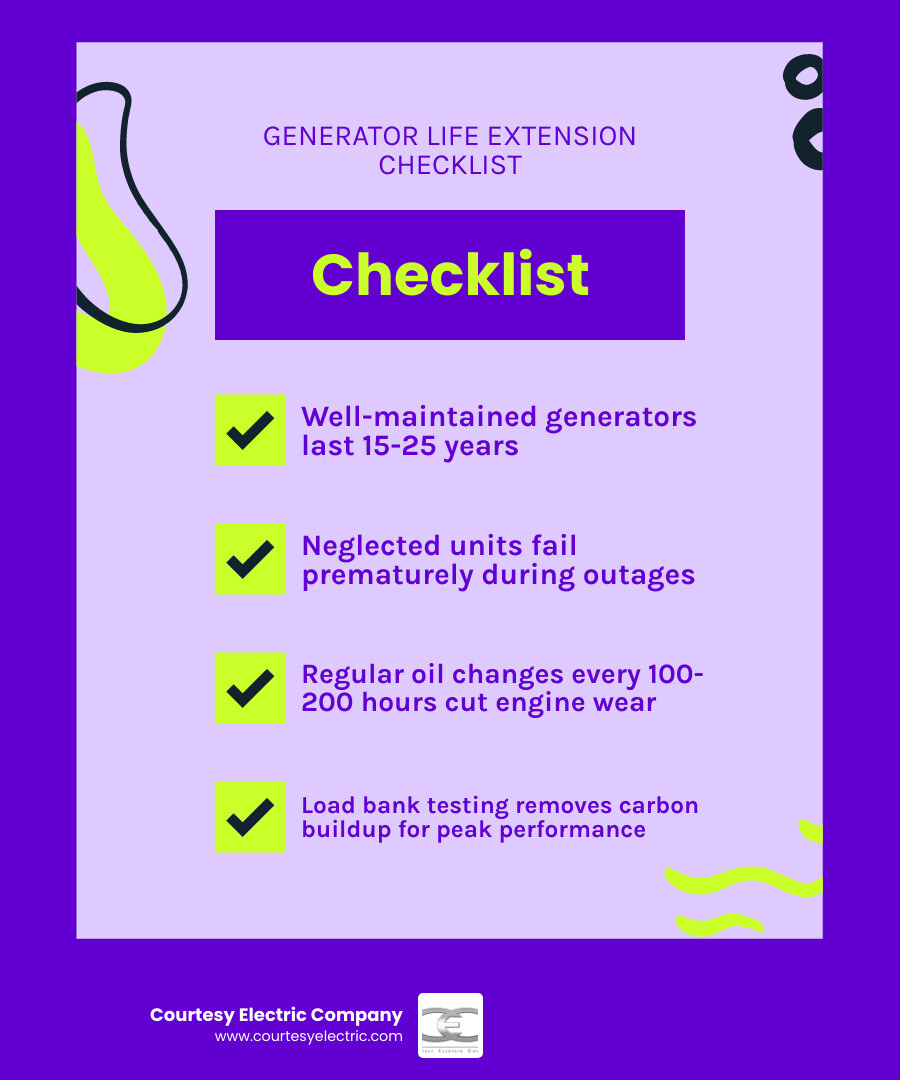
A well-maintained standby generator can last anywhere from 15 to 25 years. Neglect it, and you may be looking at a costly replacement far sooner — right when you need reliable backup power most. For homeowners across the Colorado Front Range, where winter storms and unexpected outages are a real concern, that difference in lifespan is not just a number on paper. It is the difference between a generator that starts when the lights go out and one that lets you down.
The primary cause of generator failure is not age — it is a lack of maintenance. That single fact should reframe how you think about your generator. It is not a set-it-and-forget-it appliance. It is a mechanical system that rewards consistent care and punishes neglect.
I'm David Meyer, Vice President of Courtesy Electric, a Colorado electrical contractor with roots going back to 1976. Through decades of installing and servicing Generac and Cummins generators across Denver and the Front Range, I've seen how proper maintenance extends generator life — and how quickly a neglected unit can fail at the worst possible moment. In the sections below, I'll walk you through exactly what it takes to protect your investment and keep your backup power ready year-round.
How Proper Maintenance Extends Generator Life in Denver
In the mile-high environment of Denver and the surrounding Front Range, generators face unique challenges. From thin air to rapid temperature swings, your backup power system works harder than it would at sea level. Statistically, a standby generator's average life expectancy ranges from 15 to 20 years, but with diligent care, we often see these units push toward the 25-year mark.
The secret to this longevity is a proactive approach. Think of your generator like a car that sits in the garage most of the year but must be ready to drive at 80 mph the moment you turn the key. Without regular check-ups, internal components can seize, fluids can degrade, and sensors can fail. By following a Generators Maintenance Guide Fraser Co, you are essentially buying insurance for your insurance.
How proper maintenance extends generator life through fluid management
The lifeblood of any engine is its oil. In April 2026, modern synthetic lubricants have made engines more resilient, but they still require regular changes every 100 to 200 hours of operation. Fresh oil reduces internal friction and prevents the overheating that severely shortens a generator's life.
Beyond oil, fuel management is critical. Gasoline and diesel can degrade over time, leading to gummed-up carburetors or clogged injectors. Using high-quality fuel stabilizers and refreshing stored fuel at least annually prevents contamination. For liquid-cooled units, keeping coolant levels topped off and checking hoses for leaks ensures the engine doesn't warp under the high heat of a long-duration power outage.
How proper maintenance extends generator life by preventing wet stacking
Wet stacking is a common issue, particularly for diesel generators, where unburned fuel builds up in the exhaust system. This usually happens when a generator is operated under a light load—typically less than 60% of its rated capacity. This buildup leads to carbon deposits on the injectors and exhaust valves, reducing efficiency and potentially causing permanent engine damage. Regular maintenance includes monitoring these loads and ensuring the engine reaches the proper combustion temperature to burn off these deposits, keeping the internal components clean and functional.
| Feature | Maintained Generator | Neglected Generator |
|---|---|---|
| Average Lifespan | 20–25 Years | 10–12 Years |
| Reliability | 99% Startup Success | High Risk of Failure |
| Repair Costs | Low (Preventative) | High (Emergency/Component Replacement) |
| Efficiency | Optimal Fuel Consumption | High Fuel Waste/Poor Combustion |
Essential Maintenance Tasks for Maximum Longevity
To keep your system in peak condition, we recommend a mix of DIY checks and professional service. A comprehensive Generators Fraser Co Complete Guide will always emphasize that the "little things" matter most.
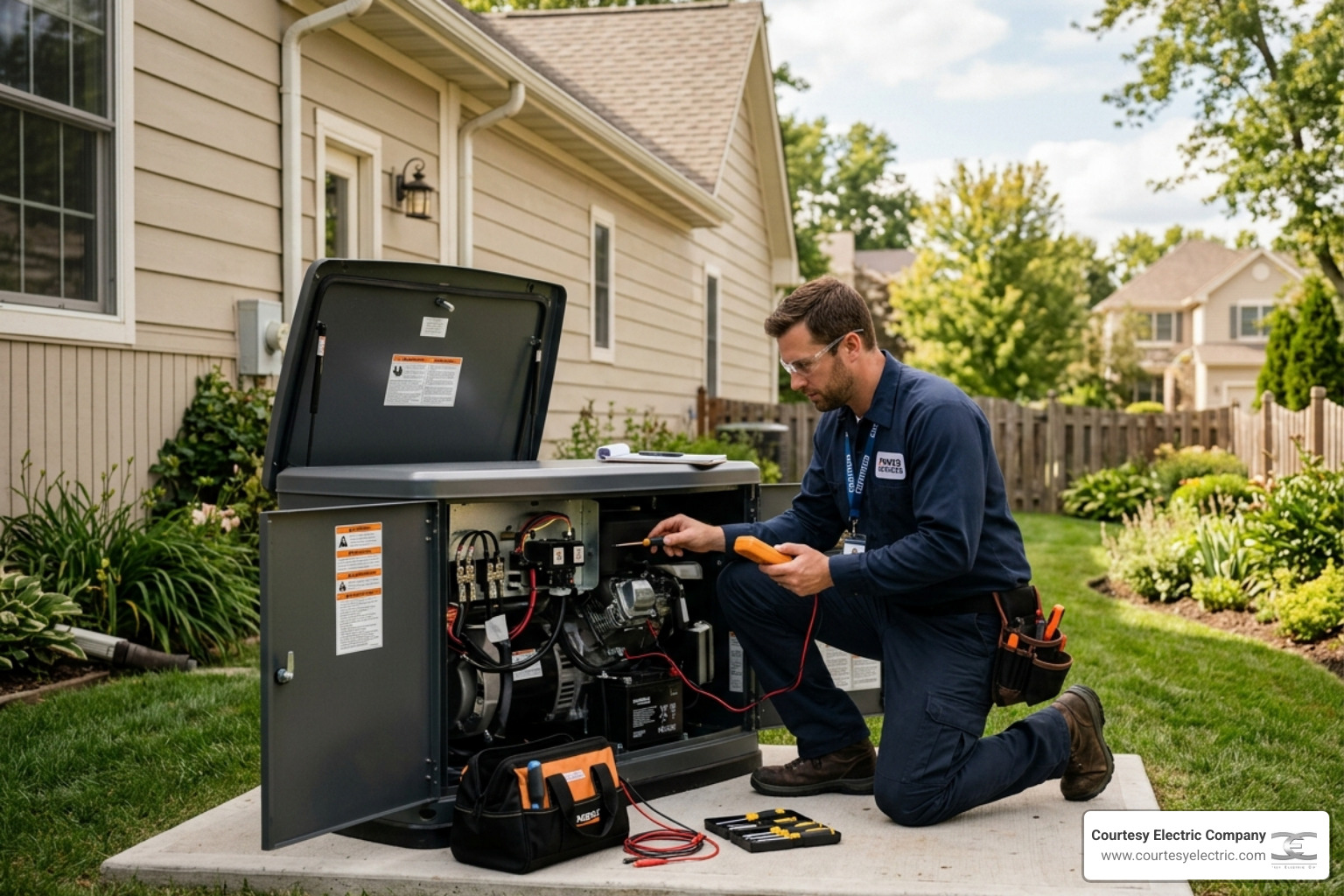
For instance, air filters should be replaced annually (or more often in dusty Front Range environments) to ensure the engine can "breathe." Spark plugs should be inspected for gap and carbon fouling every 100 hours of use. Perhaps most importantly, battery health must be monitored. A dead battery is the #1 reason generators fail to start. We recommend replacing batteries every 2 to 3 years, regardless of how they "look," as their ability to hold a charge in Colorado's cold winters can drop off suddenly.
Routine inspection schedules for standby systems
A standard schedule typically involves:
- Weekly: Automatic "exercise" runs for 20-30 minutes to circulate oil and charge the battery.
- Monthly: A visual check of the enclosure for debris, rodent nests, or leaks.
- Biannually: A professional inspection of all electrical connections and fluid levels.
- Annually: A full tune-up, including oil and filter changes.
Keeping detailed records—either in a physical log or via digital apps like Mobile Link—is vital for tracking these intervals and maintaining warranty eligibility.
Critical component care for Colorado homes
Living in the Front Range means your generator's electrical components are exposed to significant temperature fluctuations. We pay special attention to the transfer switch and control panel. Loose electrical connections caused by thermal expansion and contraction can lead to arcing or system failure. Our technicians calibrate sensors and check voltage regulation to ensure the power delivered to your home is clean and safe for sensitive smart home electronics.
The Role of Professional Inspections and Load Bank Testing
While homeowners can handle basic cleaning, certain tasks require specialized diagnostic tools. Professional service goes beyond a visual check; it involves system diagnostics that can detect underlying issues in the stator or rotor long before they cause a breakdown.
Why load bank testing is vital for backup power
Load bank testing is one of the most important services we provide. It involves connecting an artificial load to the generator to simulate a full-power outage. This forces the engine to work at its maximum capacity, which serves two purposes: it verifies that the cooling system and alternator can handle the stress, and it reaches high enough temperatures to burn off carbon deposits (effectively curing wet stacking). This is the only way to be 100% sure your generator will handle your AC, well pump, and lights all at once. For the highest level of care, seek out the Best Generators Services In Fraser Co.
Benefits of advanced diagnostic monitoring
By April 2026, we are utilizing advanced methods like insulation resistance testing and polarization index checks. These tests tell us about the health of the generator’s internal wiring. We can even perform harmonic testing to ensure the electricity produced won't damage your SPAN smart panel or high-end appliances. Catching a "shorted turn" in a rotor today can save you from a catastrophic failure next winter.
Environmental Protection and Placement Strategies
Where and how your generator is installed plays a massive role in how long it lasts. Proper Generators Installation In Fraser Co ensures the unit is protected from the elements while maintaining the necessary airflow for cooling.
Winterization for the Colorado Front Range
In Colorado, winterization isn't optional. We install cold weather kits that include battery warmers and oil heaters. These ensure that when it's -10°F in Highlands Ranch, the oil is thin enough to flow and the battery has enough "cranking amps" to turn the engine over. Keeping the exhaust venting clear of snow and ice is also a critical safety step we teach all our clients.
Proper placement to reduce mechanical stress
A generator should always sit on a level, stable surface—ideally a reinforced concrete pad. If a generator is unlevel, the oil may not circulate properly, leading to "dry" spots in the engine that wear out quickly. We also ensure a 20-foot clearance from windows and vents to prevent carbon monoxide from entering the home, and we keep the area clear of flammable materials and debris like autumn leaves that can clog the intake louvers.
Frequently Asked Questions
How long does a well-maintained standby generator last?
With proper care, a high-quality standby generator from brands like Generac or Cummins typically lasts between 15 and 25 years. The exact lifespan depends on how many hours it runs each year and how strictly you follow the maintenance schedule. Units that are exercised weekly and serviced annually almost always outlast those that are ignored.
How often should I change the oil in my generator?
Most manufacturers recommend an initial "break-in" oil change after the first 25 hours of use. After that, you should change the oil every 100 to 200 hours of operation, or at least once a year—whichever comes first. If you are running the generator continuously during a multi-day outage in extreme heat or cold, you should check the oil level every 8 to 24 hours.
What is the most common cause of generator failure?
The single most common cause is a dead or weak battery. Because generators often sit idle for weeks, the battery can lose its charge or succumb to terminal corrosion. Regular testing and proactive replacement every 3 years is the best way to avoid this frustration.
Conclusion
Investing in a generator is about more than just buying a piece of machinery; it is about investing in your family's safety and comfort. At Courtesy Electric Company, we have spent nearly 50 years helping Denver and Front Range homeowners achieve that peace of mind. Whether you need a new installation of a Generac or Cummins system, or you want to ensure your current unit is ready for the next big storm, our team is here to provide the quality, integrity, and dependability you deserve.
Don't wait for the grid to go down to find out if your maintenance has been sufficient. Let us help you protect your investment and ensure your home stays powered through whatever the Colorado weather throws your way.


