
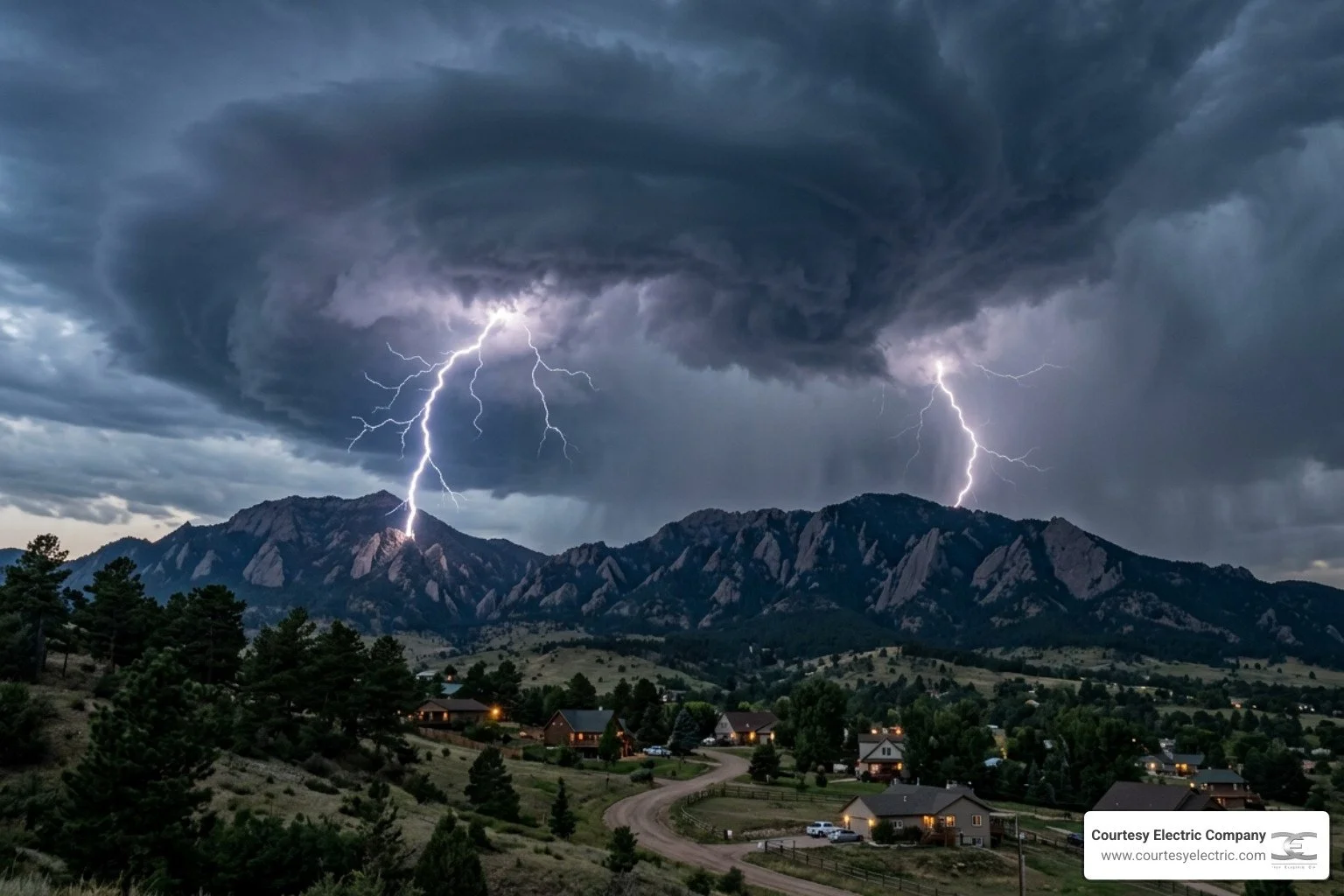
Understanding Regional Risks and Storm Preparedness Tips for Colorado Homeowners
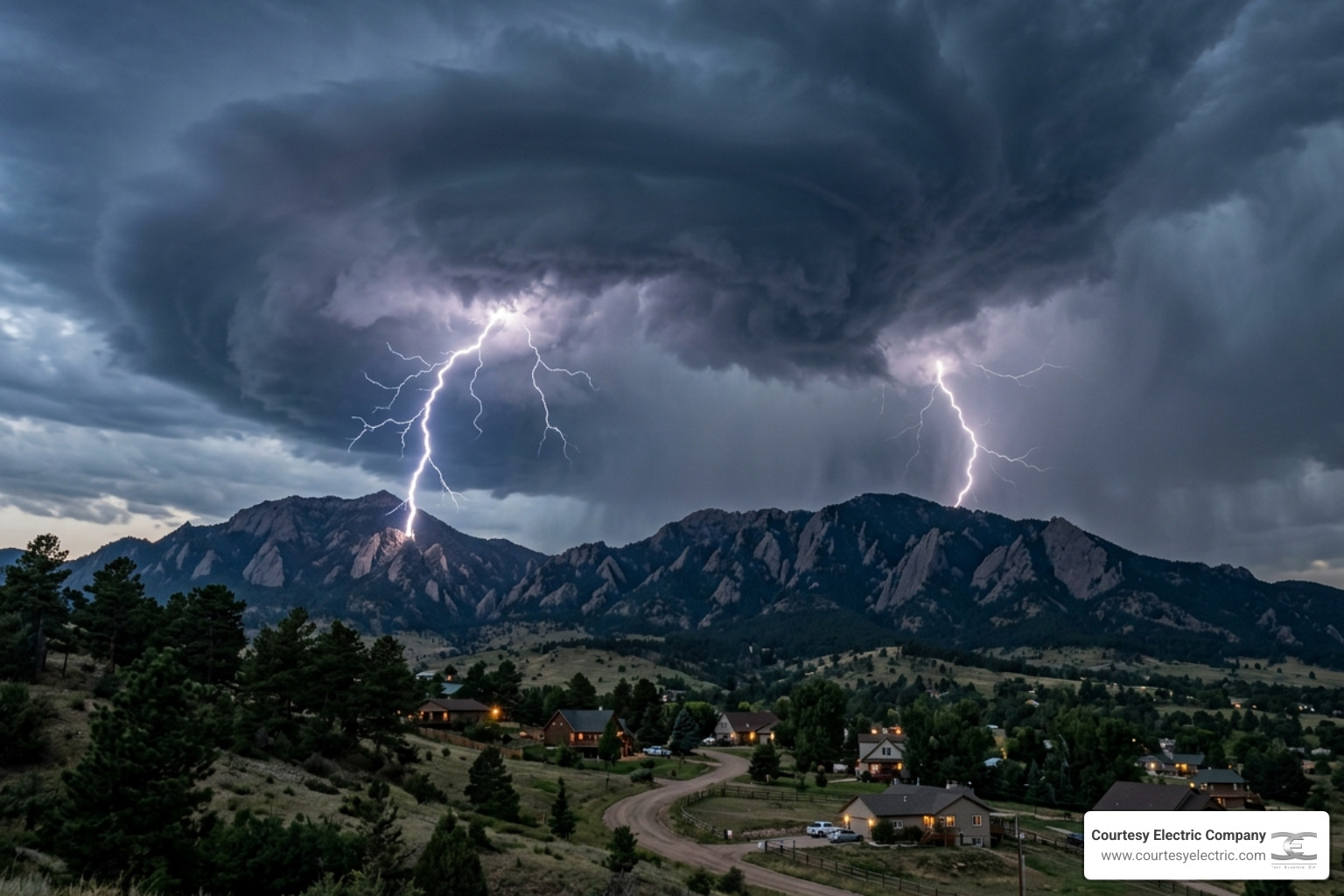
Storm preparedness tips for Colorado homeowners are essential knowledge for anyone living along the Front Range, where the weather can shift from sunny to destructive in a matter of minutes. Colorado throws an unusually diverse mix of hazards at its residents — golf ball-sized hail, flash floods, tornadoes, blizzards, and wildfire-driven power outages — often within the same season.
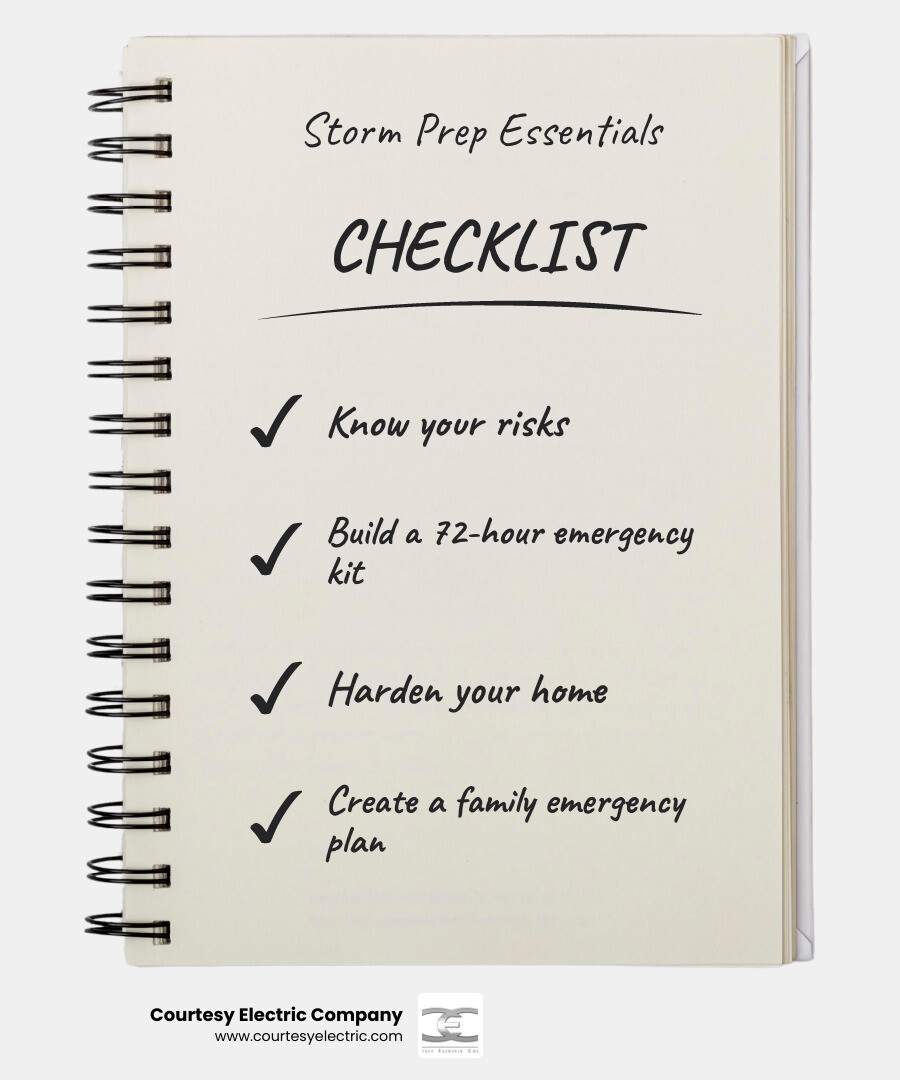
Here is a quick overview of the most important steps Colorado homeowners can take right now:
- Know your risks - Hail, flash floods, tornadoes, and blizzards each require a different response plan
- Build a 72-hour emergency kit - Include water, food, medications, flashlights, and copies of important documents
- Harden your home - Inspect your roof, clear gutters, trim trees, and secure outdoor items before storm season
- Create a family emergency plan - Identify shelter locations, evacuation routes, and an out-of-state contact
- Protect your utilities - Know how to safely interact with gas, electric, and water systems before and after a storm
- Install backup power - A standby generator or battery storage system keeps critical systems running during outages
- Review your insurance - Confirm you have adequate replacement cost coverage and consider flood insurance even outside flood zones
- Document your home - A video or photo inventory speeds up insurance claims dramatically
- Stay informed - Sign up for local emergency alerts and monitor NOAA weather radio
- Avoid post-storm fraud - Work only with licensed local contractors and understand your rights before signing anything
Colorado's storms are not a "maybe" problem — they are a "when" problem. The good news is that a prepared homeowner is a prepared homeowner. This guide walks you through every layer of protection, from reinforcing your roof to keeping the lights on when the grid goes down.
I'm David Meyer, Vice President of Courtesy Electric, a Colorado electrical contractor with roots going back to 1976 — and after decades of working with Front Range homeowners on backup power and electrical safety, I've seen what separates the homes that recover quickly from those that don't. My goal in this guide is to give you the same storm preparedness tips for Colorado homeowners that I'd share with my own neighbors. Let's get into it.
Living in the Centennial State means appreciating the beauty of the mountains while respecting the power of the plains. We live in a unique geographic intersection where cold mountain air meets warm, moist air from the Gulf of Mexico. This recipe often leads to severe weather that can damage property and threaten safety.
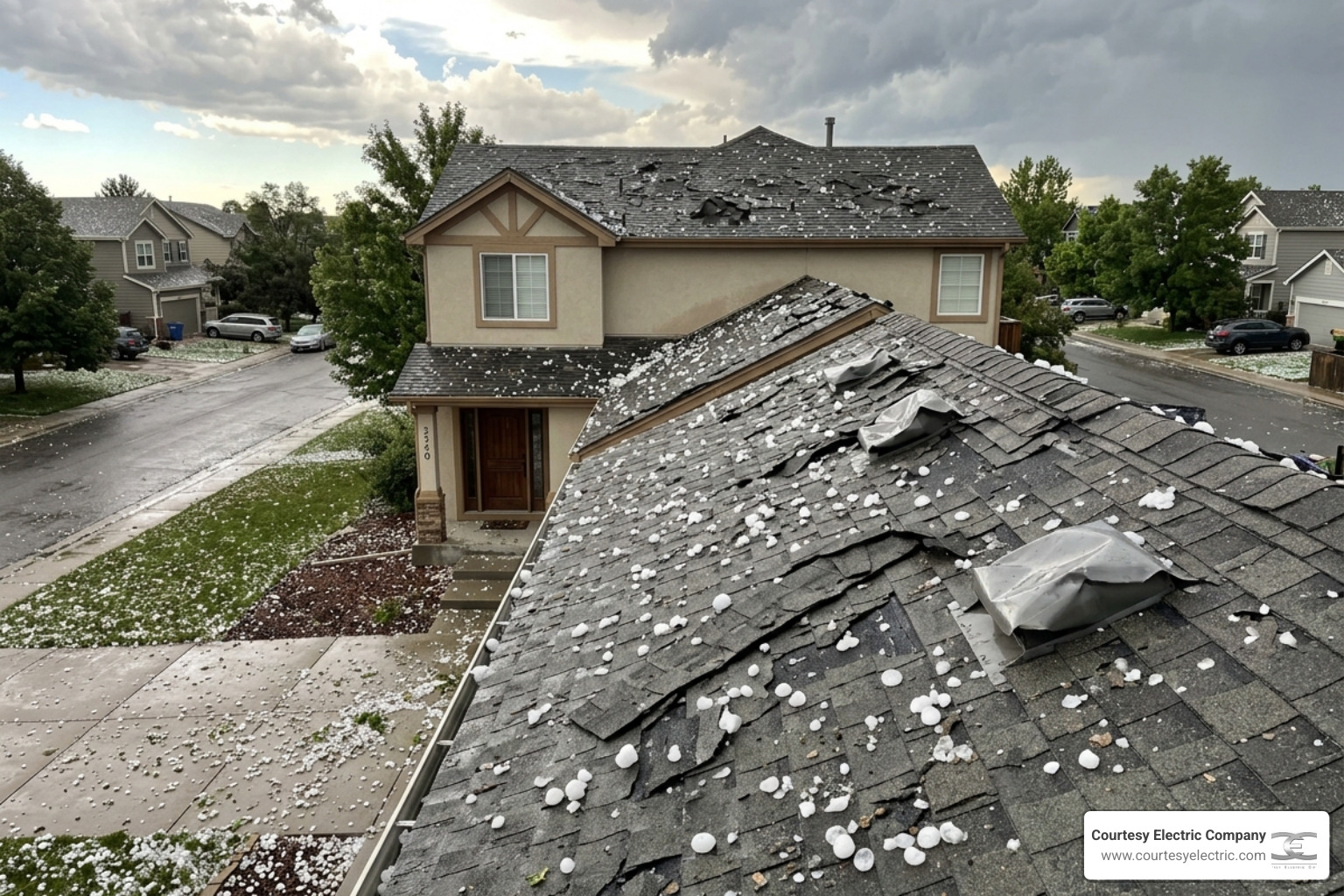
The "Hail Corridor" is a very real thing for those of us in Denver, Parker, and Highlands Ranch. Colorado consistently ranks second in the nation for hail insurance claims, trailing only Texas. But hail isn't our only concern. Our region is prone to flash floods, especially in burn scars or urban areas with poor drainage, and tornadoes that frequently touch down across the Front Range. Understanding these risks is the first step in Spring Electrical Safety and Storm Preparation.
Identifying High-Altitude Weather Hazards
In Colorado, hail season typically peaks between mid-May and mid-July, though we’ve seen plenty of "white rain" as late as September. These aren't just small pebbles; golf ball-sized hail can fall at speeds exceeding 100 mph, shredding shingles and siding in minutes.
Wind is another major factor. Spring storms often bring wind speeds over 70 mph, which is more than enough to turn your patio umbrella into a spear or knock down aging power lines. When the grid fails under these conditions, the Whole Home Generator Benefits for Colorado Homeowners become incredibly clear. A reliable backup system ensures your sump pump keeps running and your furnace stays on during a late-season blizzard.
The Critical Rules of Flash Flood Safety
Flooding is surprisingly common in our state, with over 40% of flood losses occurring outside of traditional high-risk "flood zones." It only takes six inches of fast-moving water to knock an adult off their feet. One foot of moving water is enough to sweep most vehicles off the road. If you encounter water across a roadway, "Turn Around, Don't Drown." It is impossible to tell if the road underneath has been washed away or how deep the water truly is.
Hardening Your Home Against High Winds and Hail
Physical protection is your home's first line of defense. We always recommend a "top-down" approach to home hardening.
If you are replacing your roof, consider Class 4 shingles. These shingles carry a UL 2218 rating, meaning they are tested to withstand the impact of 2-inch steel balls. While they may have a higher upfront cost, many insurance companies in Colorado offer significant premium discounts for impact-resistant materials. Additionally, reinforcing your windows with impact-resistant glass or storm shutters can prevent flying debris from entering your home. This is vital because once a window breaks, internal air pressure changes can actually lead to roof failure. Proper maintenance also plays a role in Electrical Fire Prevention Tips for Homeowners, as water intrusion from storm damage can lead to electrical shorts and fire hazards.
Essential storm preparedness tips for Colorado homeowners for exterior maintenance
- Gutter Maintenance: Clogged gutters are a leading cause of basement flooding. Ensure your gutters are clear and install gutter guards to prevent future clogs.
- Downspout Extensions: Ensure your downspouts discharge water at least six feet away from your foundation.
- Tree Trimming: Trim dead or overhanging branches. In Colorado, heavy snow on leafy branches in late spring or early fall is a recipe for property damage.
- Secure Projectiles: Patio furniture, grills, and trampolines should be anchored or moved into a garage when a storm warning is issued.
Creating Defensible Space for Fire and Storm Safety
In areas like the Black Forest, "defensible space" is a term usually associated with wildfires, but it's just as important for storm safety. By clearing brush and debris, you reduce the fuel for fires and the potential for "projectiles" during high-wind events.
- Zone 0 (0-5 feet): Use non-combustible materials like gravel and remove all dead vegetation.
- Zone 1 (5-30 feet): Keep grass mowed and thin out trees so crowns don't touch.
- Zone 2 (30-100 feet): Remove "ladder fuels" (low branches) that could allow a fire to climb into the canopy.
Creating a Comprehensive Family Emergency and Evacuation Plan
When the sky turns that eerie shade of green, you don't want to be wondering where the flashlights are. Every Colorado household needs a 72-hour emergency kit and a portable "Go Bag."
Your kit should include at least one gallon of water per person per day (five gallons per person is better), non-perishable food, a battery-powered NOAA weather radio, and extra batteries. Don't forget a 14-day supply of essential medications.
Safe Shelter Strategies for Every Housing Type
Where you hide matters. Here is a breakdown of the safest places to be during a tornado:
| Housing Type | Safest Location |
|---|---|
| House with Basement | Lowest floor, under a sturdy workbench or stairs. Avoid areas under heavy appliances on the floor above. |
| House (No Basement) | Small interior room on the lowest floor, like a closet or bathroom. Stay away from windows. |
| Apartment | Lowest floor possible in an interior hallway or common area. If stuck in your unit, use a bathroom or closet. |
| Mobile Home | Abandon immediately. Seek shelter in a sturdy permanent building or a designated storm cellar. |
| In a Vehicle | Do not hide under highway overpasses (they create wind tunnels). Find a ditch or low spot and cover your head. |
Protecting Vulnerable Family Members and Pets
If you or a family member has mobility disabilities or special medical needs, your plan needs to be more detailed. Identify a personal support network of at least three people who can help you evacuate if needed. For those with livestock, identify evacuation routes that can accommodate trailers and have an out-of-state contact person who can act as a central hub for communication when local lines are jammed.
Managing Utilities and Backup Power During Outages
Power outages are a common side effect of Colorado's volatile weather. Managing your utilities safely is paramount.
Many homeowners ask about natural gas during storms. Generally, natural gas service operates uninterrupted during severe weather, so you do not need to turn it off at the meter unless you smell a leak. However, you should ensure your gas meter and appliance vents are kept clear of snow and debris to prevent carbon monoxide buildup. If your pilot lights go out, do not attempt to relight them yourself; call a professional or your utility provider. Understanding How Does a Standby Generator Work can help you decide if a permanent solution is right for your home, especially if you rely on medical equipment or work from home. We also recommend regular Generator Maintenance Before Colorado Storm Season to ensure your system is ready to kick in the moment the grid fails.
Electrical storm preparedness tips for Colorado homeowners and generator safety
While portable generators are popular, they come with risks. Never run a generator inside a garage or near a window, as carbon monoxide is a silent killer. Most importantly, never "backfeed" a generator into your home's electrical outlets. This can energize power lines outside your home, potentially electrocuting utility workers.
A professionally installed standby generator with an automatic transfer switch is the safest and most reliable option. To keep these systems running for their 20- to 30-year lifespan, follow our Generator Maintenance Tips for Homeowners. We've seen that How Proper Maintenance Extends Generator Life isn't just a slogan—it's the difference between a system that works and one that stalls when you need it most.
Safe Utility Interaction Post-Storm
After the clouds part, stay alert. Downed power lines can be hidden under standing water or debris. Always treat every downed line as "live" and stay at least 30 feet away. If you suspect a gas leak (the smell of rotten eggs), evacuate immediately and call 911. When you're ready for a permanent backup solution, knowing Generator Installation: What to Expect will help the process go smoothly.
Navigating Insurance Claims and Post-Storm Recovery
The fastest way to recover after a disaster isn't luck—it's documentation.
Before storm season starts in May 2026, take a video of your entire home. Open drawers, narrate the brands of your electronics, and show the condition of your roof and siding. Store this digital inventory in the cloud using tools like the NAIC app, Google Drive, or Dropbox. This provides a "baseline" that makes it much harder for an insurance adjuster to claim damage was pre-existing. If you need an inspection of your home's electrical system after a strike, our Electrical Service team is here to help.
Avoiding Financial Pitfalls and Insurance Gaps
Don't assume your policy covers everything. There is a huge difference between Replacement Cost (what it costs to build the house today) and Actual Cash Value (the depreciated value of your old stuff). Surveys show that up to 2/3 of homeowners are underinsured.
Remember: FEMA money is needs-based and capped at $42,500 per household—which won't go far if you lose a roof. SBA loans must be repaid with interest. Your private insurance is your best path to a full recovery.
Protecting Yourself from Contractor Fraud
After a big hailstorm, "storm chasers" from out of state often flood the Front Range. Be wary of anyone knocking on your door offering a "free roof" or asking you to sign an Assignment of Benefits (AOB). An AOB gives the contractor the right to handle your insurance claim and receive the check directly. While this sounds convenient, it can lead to legal headaches if the contractor does poor work or disappears.
Always work with local, licensed contractors who have a physical address in Colorado. Get multiple written estimates and never pay the full amount upfront.
Frequently Asked Questions about Colorado Storm Prep
What are the best local resources for weather alerts?
We recommend a multi-layered approach. A dedicated NOAA weather radio is the most reliable because it works even if cell towers are down. Additionally, sign up for local emergency alerts through your county (e.g., Denver's "Denver8" or similar systems in Parker and Highlands Ranch). Follow the National Weather Service (NWS) Boulder office on social media for real-time updates.
Should I turn off my natural gas before a storm?
No. Natural gas lines are underground and generally protected from wind and hail. Your service will likely remain uninterrupted. Turning it off unnecessarily means you’ll need a professional to come out and relight all your pilot lights once the storm passes. Only turn it off if you smell gas or are specifically instructed to do so by emergency officials.
Is flood insurance necessary if I don't live in a flood zone?
Yes, we strongly recommend it. Standard homeowners insurance does not cover flooding. Since 40% of Colorado's flood losses happen outside of mapped flood zones, a policy through the NFIP or a private carrier is a smart investment. There is usually a 30-day waiting period before a new flood policy takes effect, so don't wait until a storm is on the horizon. Also, consider adding a "Sewer Backup" rider to your existing policy—it's usually very affordable and covers damage from backed-up drains, which is common during heavy rains.
Conclusion
Preparing for Colorado's wild weather doesn't have to be overwhelming. By taking small, proactive steps now—like hardening your home's exterior, documenting your belongings, and planning for backup power—you can significantly reduce the stress and cost of the next big storm.
At Courtesy Electric Company, we’ve been helping our neighbors across Denver and the Front Range stay powered up since 1976. Whether you're interested in a Generac or Cummins standby generator, looking into Franklin battery storage, or want to modernize your home with a SPAN smart panel, we're here to provide the expertise you need. Don't wait for the next outage to realize you're unprepared. Contact us today for a free estimate on our Electrical Service and backup power solutions. Stay safe, stay prepared, and we'll see you on the sunny side of the storm.


