
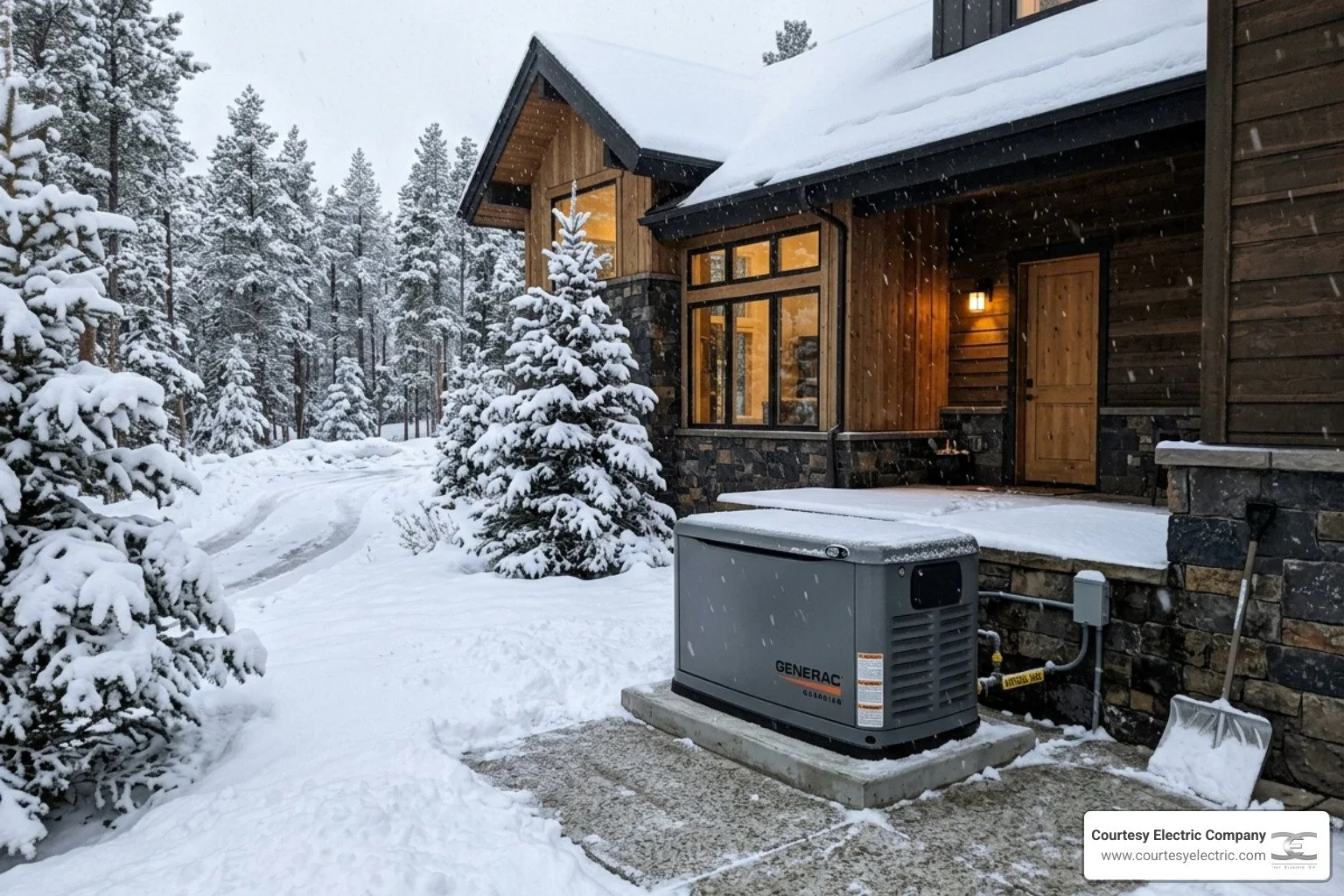
Will Your Standby Generator Outlast Your Mortgage? Here's What Denver Homeowners Need to Know
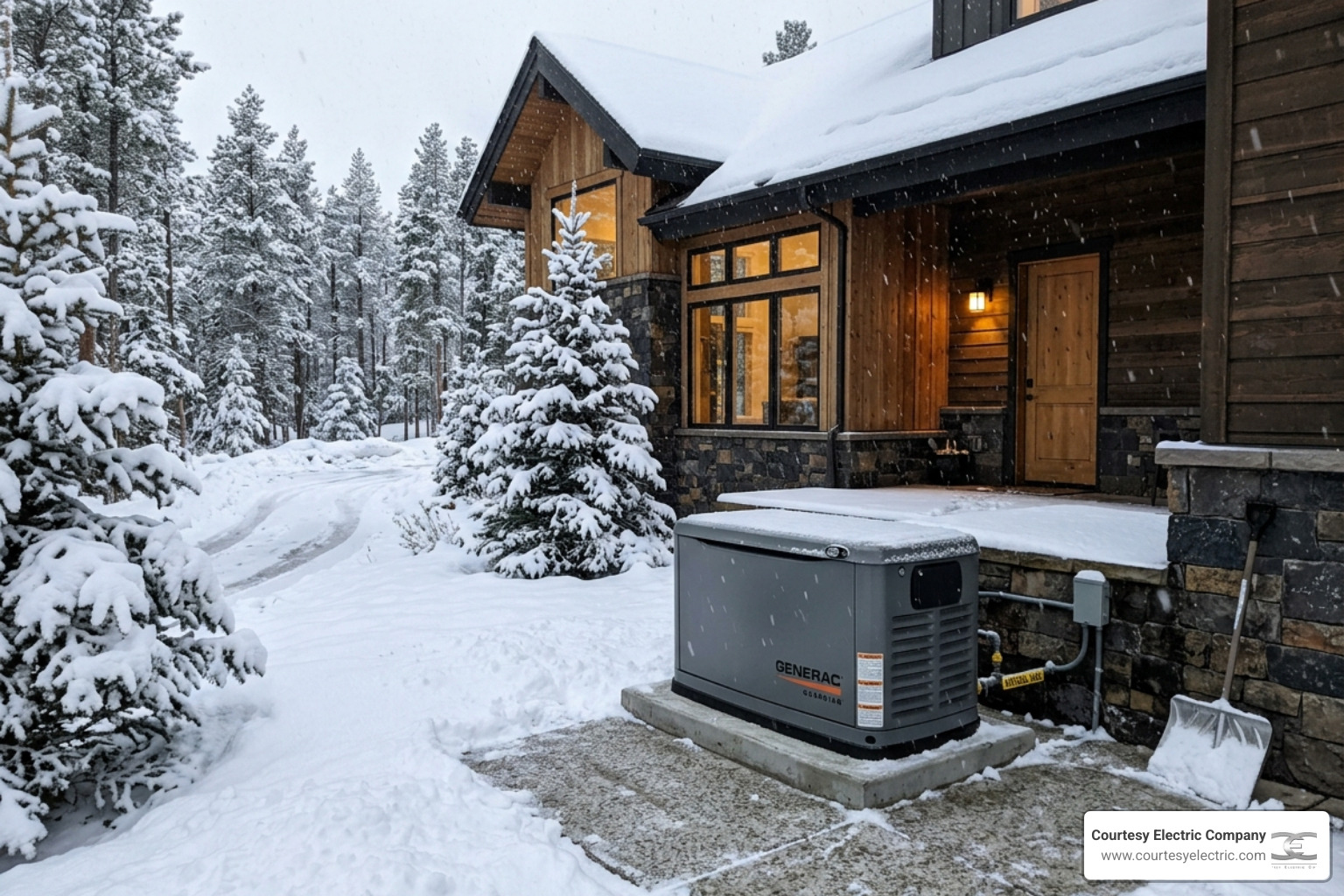
How long does a standby generator last is one of the most important questions you can ask before investing in backup power for your Colorado Front Range home — and the short answer is: a long time, if you treat it right.
Quick Answer: Standby Generator Lifespan at a Glance
| Factor | Expected Range |
|---|---|
| Total operating hours | 10,000 – 30,000 hours |
| Years of service (typical) | 20 – 40 years |
| Continuous run limit | Up to 500 hours |
| Diesel engines | 30,000+ hours |
| Natural gas engines | 15,000 – 20,000 hours |
| Portable generator comparison | 1,000 – 2,000 hours total |
A standby generator is one of the largest electrical investments a homeowner can make. Unlike a portable unit you pull out of the garage a few times a year, a whole-home standby system is a permanent fixture — one that quietly stands guard against Colorado's unpredictable outages, from winter snowstorms to summer lightning strikes. Understanding how long it will last helps you plan smarter, maintain it properly, and get every dollar's worth out of the system.
I'm David Meyer, Vice President of Courtesy Electric, and after decades of hands-on experience installing and servicing backup power systems across Denver and the Front Range, I've seen how the answer to how long does a standby generator last comes down to a handful of critical decisions made before and after installation. In the sections ahead, I'll walk you through everything that affects your system's lifespan — and how to make sure yours goes the distance.
Understanding the Average Lifespan: How Long Does a Standby Generator Last?
When we talk about the lifespan of a standby generator, we have to look at two different metrics: chronological years and operating hours. Think of it like a car; a 2026 SUV might only be three years old, but if it has 200,000 miles on it, it’s seen a lot more "life" than a ten-year-old car that only goes to the grocery store.
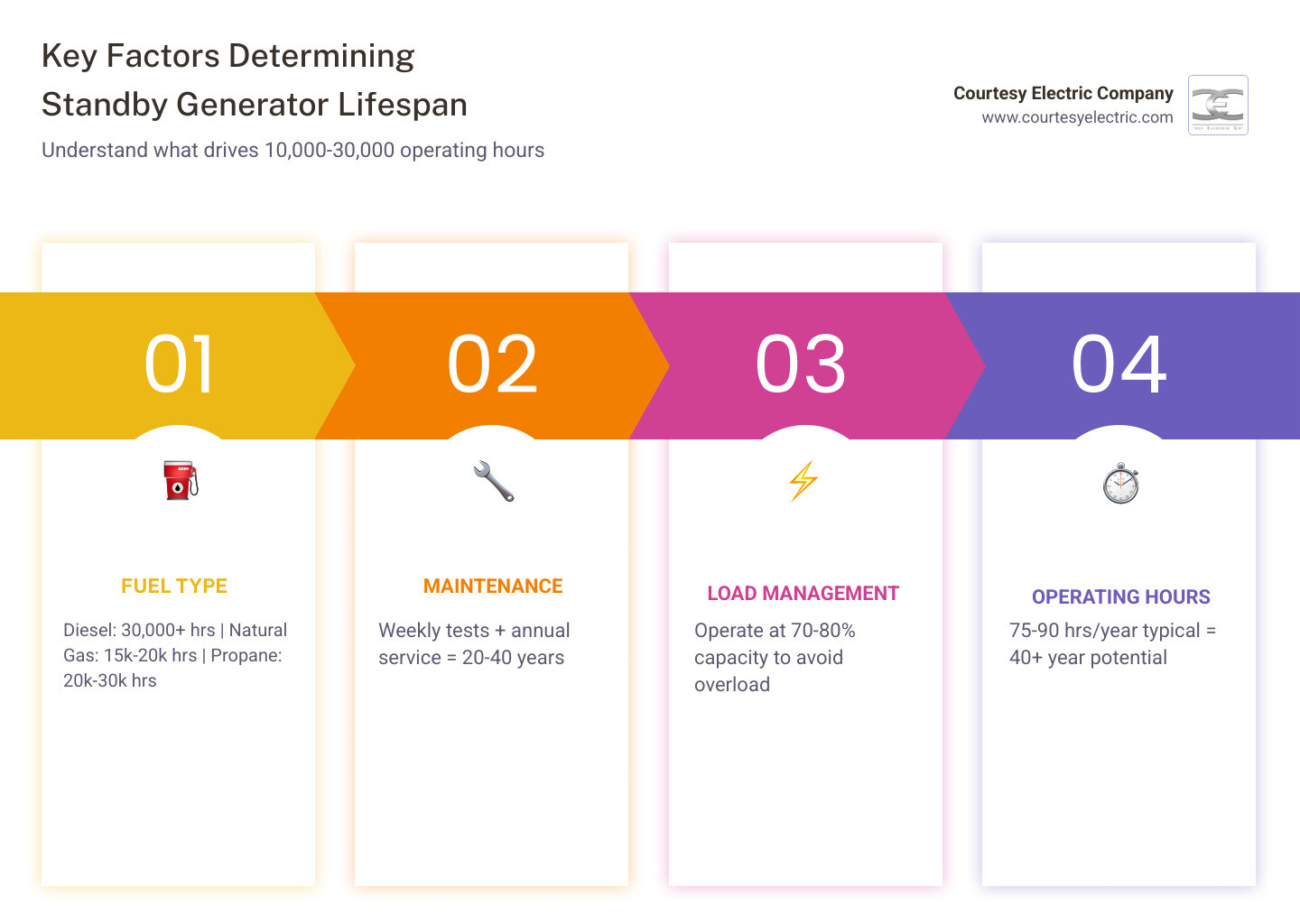
For most residential standby generators, the industry standard for a well-maintained unit is between 10,000 and 30,000 operating hours. To put that into perspective, if you live in a part of the Denver area that experiences three major blackouts a year (averaging 30 hours each) plus your weekly 12-minute self-test cycles, you’re only running your generator for about 75 to 90 hours per year. At that rate, your generator could theoretically last for over 40 years.
Engine Durability and Design
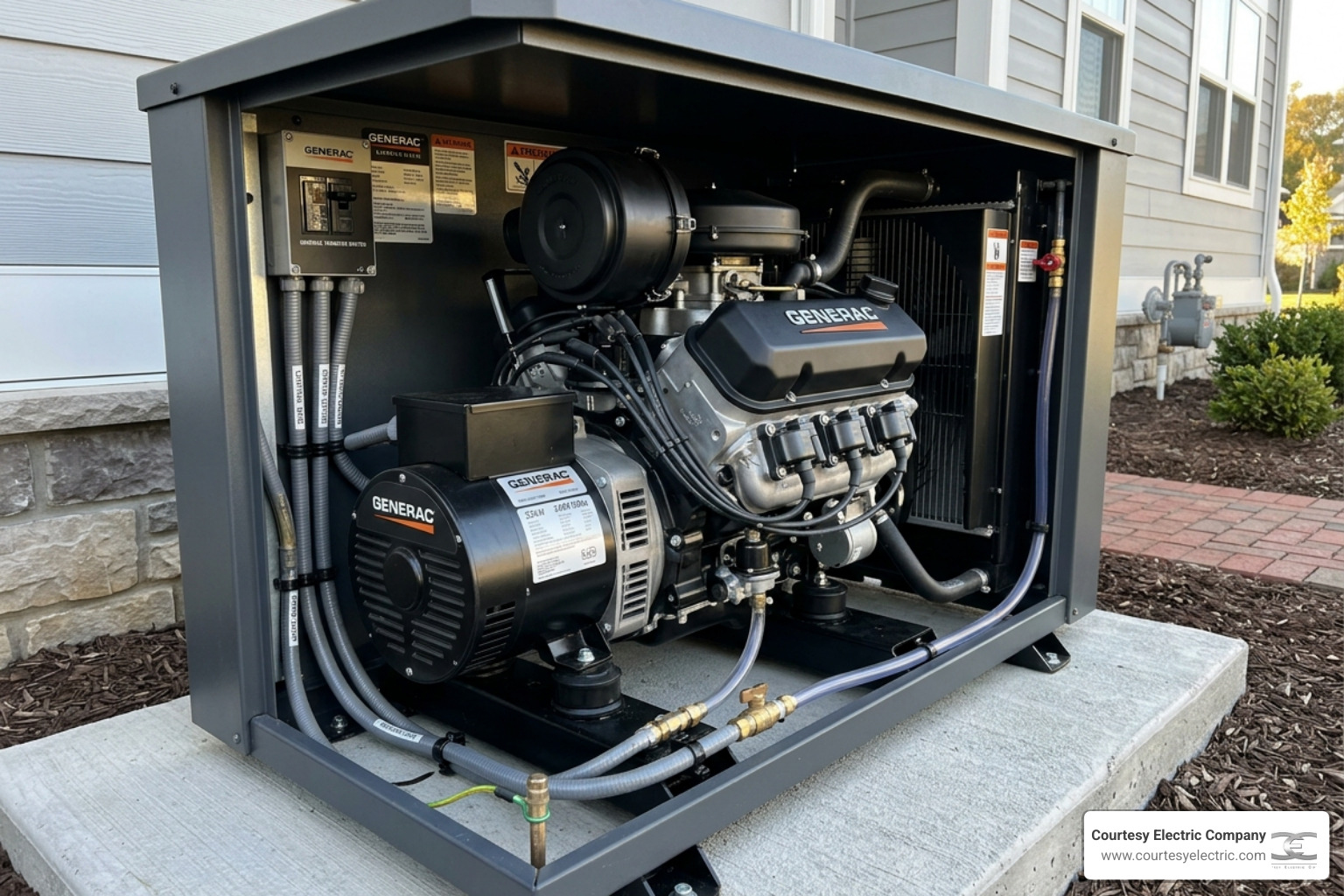
The reason these machines last so much longer than the portable units you see at big-box stores is the engine design. Standby generators use automotive-grade engines designed for stationary, high-torque applications. They are built to stay in one place, which reduces the vibration damage often seen in portable units that are moved around.
Stationary vs. Portable Lifespan
There is a massive gulf between a permanent standby system and a portable one. Portable generators are generally designed for short bursts of use—camping trips or powering a single appliance for a few hours. Most portables have a total lifespan of only 1,000 to 2,000 hours. If you try to run a portable unit for several days straight during a Colorado blizzard, you are putting a significant dent in its total life expectancy.
By contrast, the stationary nature of a standby system allows for better cooling, more robust filtration, and a direct connection to a large fuel source, all of which contribute to that 30,000-hour ceiling. If you are curious about how these systems integrate into your home, check out our guide on Whole Home Generator Benefits for Colorado Homeowners.
Critical Factors Influencing Generator Longevity in Colorado
In the Front Range, we don't just deal with "average" conditions. We deal with "Colorado" conditions. From the thin air of the Mile High City to the sub-zero nights in Parker or Black Forest, several factors dictate exactly how long does a standby generator last in our specific neck of the woods.
Air-Cooled vs. Liquid-Cooled Models
Most residential generators (up to about 22kW to 26kW) are air-cooled. They use a fan to pull air over the engine to keep it from melting down. These are excellent for most homes, with a lifespan of 15 to 25 years. However, liquid-cooled models—which use a radiator and coolant just like your car—are the gold standard for durability. Liquid-cooled units can easily reach that 30,000-hour mark because they manage heat much more efficiently, especially during long summer outages when Denver hits triple digits.
Sizing and Load Management: The 70-80% Sweet Spot
One of the biggest mistakes we see is improper sizing. If a generator is too small, it will run at 100% capacity constantly, which is like redlining your car's engine on the I-25 for three days straight. It won't last long.
Conversely, if the generator is too large for your needs, you run into a problem called "wet stacking" or carbon buildup. This happens when the engine doesn't get hot enough to burn off all the fuel. The "sweet spot" for maximizing longevity is running your generator at about 70-80% of its rated capacity. This keeps the engine hot enough to stay clean but not so hot that it causes premature wear. For a deeper dive into the mechanics, read How Does a Standby Generator Work.
How long does a standby generator last with different fuel types?
The "food" you feed your generator plays a huge role in its internal health.
- Natural Gas (15,000–20,000 hours): This is the most common choice in Denver. It’s convenient because you never have to refuel. However, natural gas burns very cleanly but slightly hotter than other fuels, which can lead to a slightly shorter engine life compared to diesel.
- Propane (20,000–30,000 hours): Propane is an excellent fuel for longevity. It has an indefinite shelf life and doesn't degrade like gasoline. For homes in more rural areas like Black Forest or parts of the Front Range without natural gas lines, propane is a fantastic long-term option.
- Diesel (30,000+ hours): Diesel engines are the workhorses of the industry. They are rugged and designed for industrial-level use. While they require more maintenance (you have to keep the fuel from gelling in the winter), a diesel standby generator is the most likely to outlive your mortgage.
For a comprehensive look at how these systems perform in our high-altitude environment, see our Generators Fraser CO Complete Guide.
The impact of Denver altitude and climate on your system
We can't talk about Colorado without talking about the air—or lack thereof. At 5,000+ feet, the air is thinner, which means your generator's engine has less oxygen to "breathe." This leads to power derating. If you buy a 20kW generator, it might only produce 17kW at Denver's altitude.
If your installer doesn't account for this, the engine will work harder than intended, shortening its life. Furthermore, our extreme cold can make oil as thick as molasses. We always recommend cold-weather kits (battery warmers and oil heaters) to ensure the engine doesn't suffer from "dry starts" in January. Proper installation is key, which you can learn more about in Generators Installation in Fraser, CO.
Maintenance: The Key to Reaching the 30-Year Mark
If you want to know how long does a standby generator last, the answer is almost always: "As long as you maintain it." A standby generator is not a "set it and forget it" appliance. It is a piece of life-safety equipment.
Weekly Exercise Cycles
Most modern systems, like the Generac and Cummins units we install, are programmed to run a "self-test" once a week for about 12 to 20 minutes. This is vital. It circulates oil, lubricates seals, and ensures the battery stays charged. Skipping these tests is the fastest way to a seized engine. We recommend following these Generator Maintenance Tips for Homeowners to keep your system in top shape.
How long does a standby generator last without regular service?
If you ignore your generator for five years, don't expect it to start when a transformer blows during a spring blizzard. Without regular service, moisture can build up in the oil, causing corrosion. Seals can dry out and leak. Batteries can fail. In short, an unmaintained generator might only last 10 years and fail exactly when you need it most. See How Proper Maintenance Extends Generator Life for more details.
Recommended maintenance schedule for Front Range systems
In the Denver area, we recommend a "bi-annual" approach:
- Spring Service: Check the battery, clear out any debris or nests from the winter, and ensure the cooling vents are clear.
- Fall Service: Change the oil and filters, inspect the spark plugs, and test the transfer switch.
Generally, you should change the oil every 100 to 200 hours of operation. If you go through a major 4-day outage, you’ve hit that limit in one go! For a full checklist, consult our Generators Maintenance Guide Fraser CO.
Operational Limits During Extended Power Outages
While standby generators are designed for long hauls, they aren't invincible. During an extended outage—the kind we see when heavy wet snow snaps lines across the Front Range—you need to manage the machine's stress.
The 500-Hour Continuous Run Limit
Most manufacturers recommend that you do not run a residential standby generator for more than 500 hours continuously. That’s about three weeks. If you hit this point, the engine needs a significant break and a thorough service.
Oil Level Checks Every 72 Hours
This is the "Golden Rule" of outages. Even if your generator is running perfectly, you should shut it down every 72 hours to check the oil level. Engines consume a bit of oil when running under heavy load for days at a time. Running out of oil is the number one cause of "catastrophic engine failure" during emergencies. For more on preparing for these events, read Generator Maintenance Before Colorado Storm Season.
Signs It’s Time to Replace Your Backup System
Eventually, every machine reaches the end of its road. Knowing when to replace your unit before the next storm hits is crucial for your family's safety.
- Excessive Rust and Corrosion: In Colorado, we use a lot of salt and de-icer. If the enclosure or the internal frame of your generator is rusting through, the structural integrity is compromised.
- Frequent Repairs: If you're calling us every time the unit exercises because a new sensor failed or a leak appeared, you're likely throwing good money after bad.
- Hard Starting: If the engine struggles to turn over or stalls frequently under load, the internal compression may be fading.
- Noise Levels: If your generator starts sounding like a "rock concert" instead of a "normal conversation" (usually above 70 decibels), it’s a sign of internal mechanical wear.
- Technological Obsolescence: If your generator is 20 years old, it likely lacks the smart-home integration and remote monitoring capabilities of modern systems. Old units may also lack manufacturer support for parts. To see what a modern upgrade looks like, check out Generator Installation: What to Expect.
Frequently Asked Questions about Generator Longevity
How many hours can a standby generator run continuously?
While they can theoretically run as long as they have fuel, we recommend a 500-hour limit with mandatory oil checks every 72 hours. This gives the engine a chance to cool down and ensures you aren't running on dangerously low oil levels.
Does brand choice affect how long a standby generator lasts?
Absolutely. Brands like Generac and Cummins are the industry leaders for a reason. They use premium materials, offer robust warranties, and ensure that parts remain available for decades. A "bargain" brand might save you money upfront, but if you can't find a replacement control board in ten years, the whole unit becomes a very expensive paperweight.
Is a standby generator better than a portable one for long-term use?
Yes, by a landslide. A standby generator is designed for a 30,000-hour life, while a portable is often done by 2,000 hours. Furthermore, standby systems feature automatic transfer switches that safely disconnect your home from the grid, preventing dangerous "backfeeding" that can hurt utility workers.
Conclusion
So, will your generator outlive your mortgage? If you choose a high-quality unit, have it professionally installed for Denver’s unique altitude, and stick to a consistent maintenance schedule, the answer is a resounding yes.
At Courtesy Electric Company, we’ve been helping Front Range families stay powered since 1976. We specialize in the installation of Generac and Cummins systems, as well as modern energy solutions like Franklin battery storage and SPAN smart panels. We know the Colorado climate, and we know exactly what it takes to make a backup system last for the next 30 years.
Don't wait for the next "bomb cyclone" to find out if your old unit is up to the task. Whether you need a fresh installation or a professional inspection of your current system, we’re here to help. For more information on the best solutions for our area, check out our guide on Best Generators Services in Fraser CO.
Ready to protect your home for the long haul? Contact us for reliable electrical services and a free estimate today.


