
Why Power Outages Put Your Family at Risk — and What Actually Stops Them
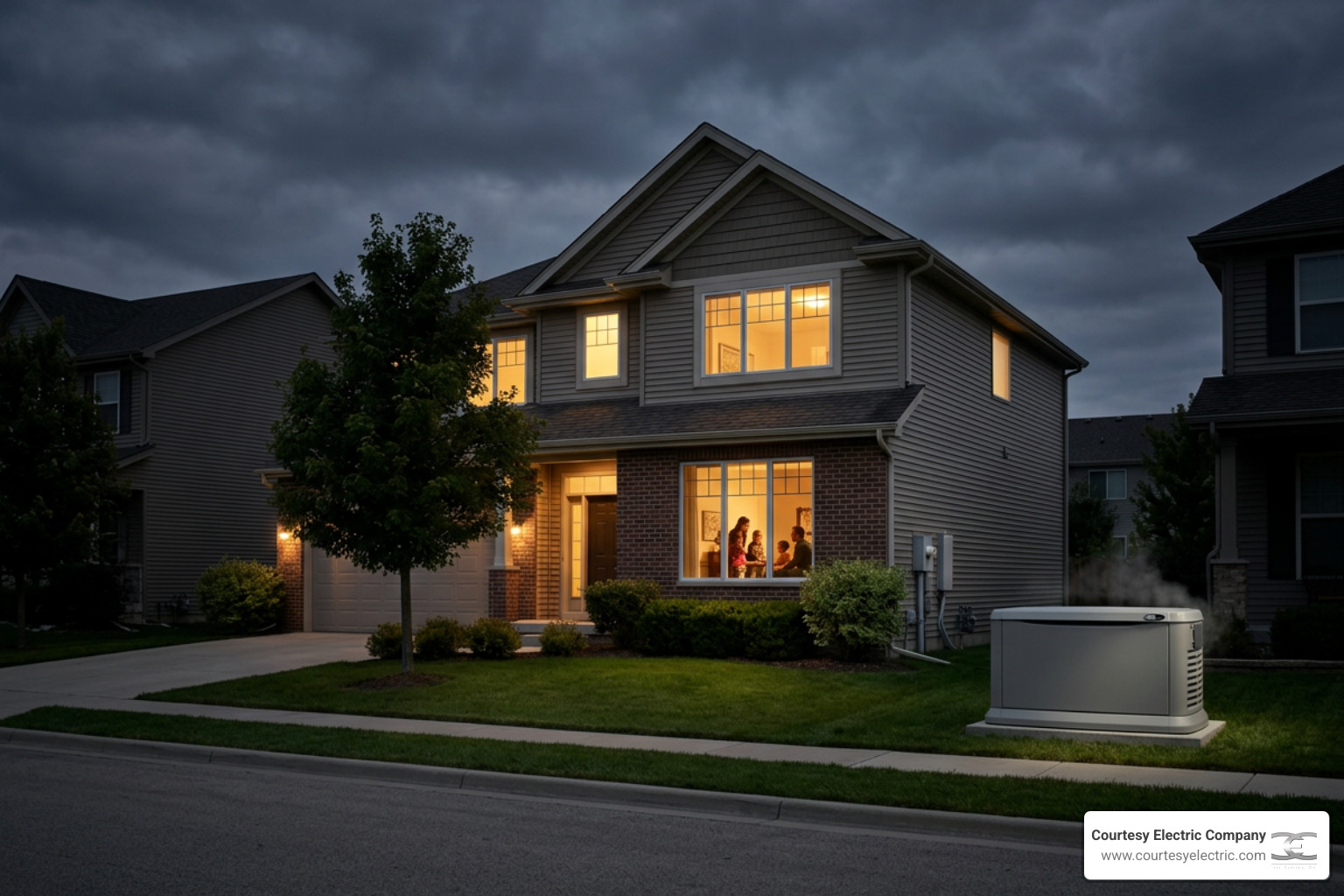
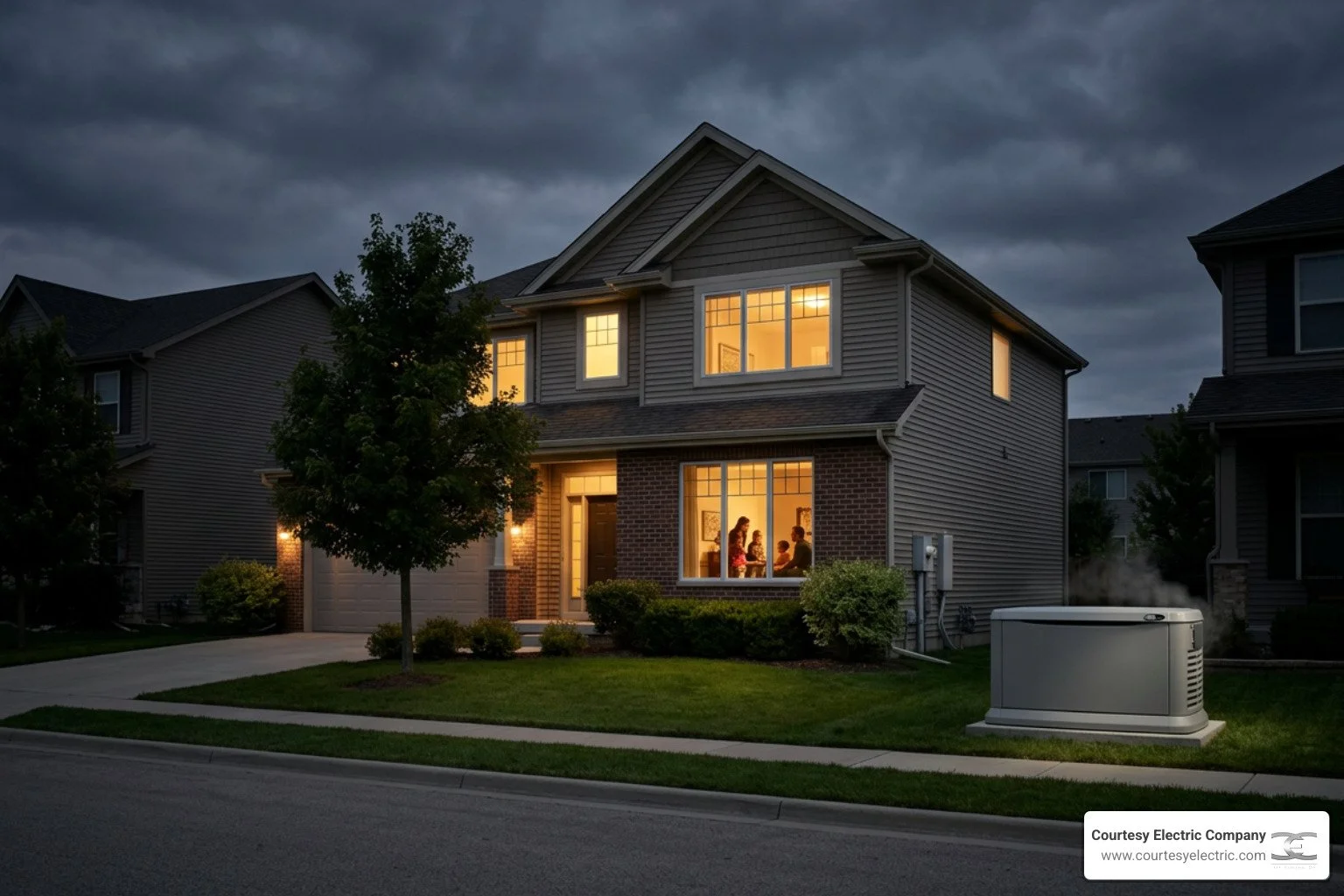
Understanding how a whole home generator protects your family starts with one uncomfortable truth: power outages in Colorado are not rare, one-off events. They are increasingly common, and they arrive without warning.
According to U.S. Energy Information Administration data, the average utility customer went without power for 330 minutes in 2024 — a 20% jump over the previous five-year average. Nearly half of all large-scale outages are triggered by severe weather, and the Colorado Front Range sees its share: blizzards, high-wind events, summer lightning storms, and heat waves that push the grid to its limits.
When the lights go out, the risks stack up fast:
- Refrigerated food becomes unsafe after just 4 hours if the fridge door is opened
- Sump pump failure during a storm can flood a basement and cause an estimated $26,500 in damage
- Frozen or burst pipes from a loss of heat can run around $12,500 to repair
- Mold remediation — often a follow-on from water damage — can reach $30,000
- Medical devices like CPAP machines and oxygen concentrators stop working entirely
- Security systems, outdoor lighting, and alarm panels go dark
A whole home standby generator addresses every one of these risks automatically — no manual startup, no extension cords, no scrambling in the dark. Here is a quick summary of how it works:
| Protection Area | What a Whole Home Generator Does |
|---|---|
| Food safety | Keeps refrigerators and freezers running continuously |
| Water damage | Powers sump pumps to prevent basement flooding |
| Pipe protection | Maintains heating so pipes cannot freeze or burst |
| Medical devices | Keeps oxygen concentrators, CPAP machines, and other equipment on |
| Home security | Sustains alarm systems, cameras, and outdoor lighting |
| Family comfort | Runs HVAC, lighting, and essential appliances without interruption |
| Automatic response | Detects an outage and restores power within seconds — even if no one is home |
I'm David Meyer, Vice President of Courtesy Electric, a Colorado electrical contractor with roots going back to 1976, and backup power systems are one of the areas I'm most focused on — because I've seen what a single extended outage can cost a family in both safety and dollars. In the sections below, I'll walk you through exactly how a whole home generator protects your family at every level, and what to look for when choosing the right system for your home.
How a Whole Home Generator Protects Your Family
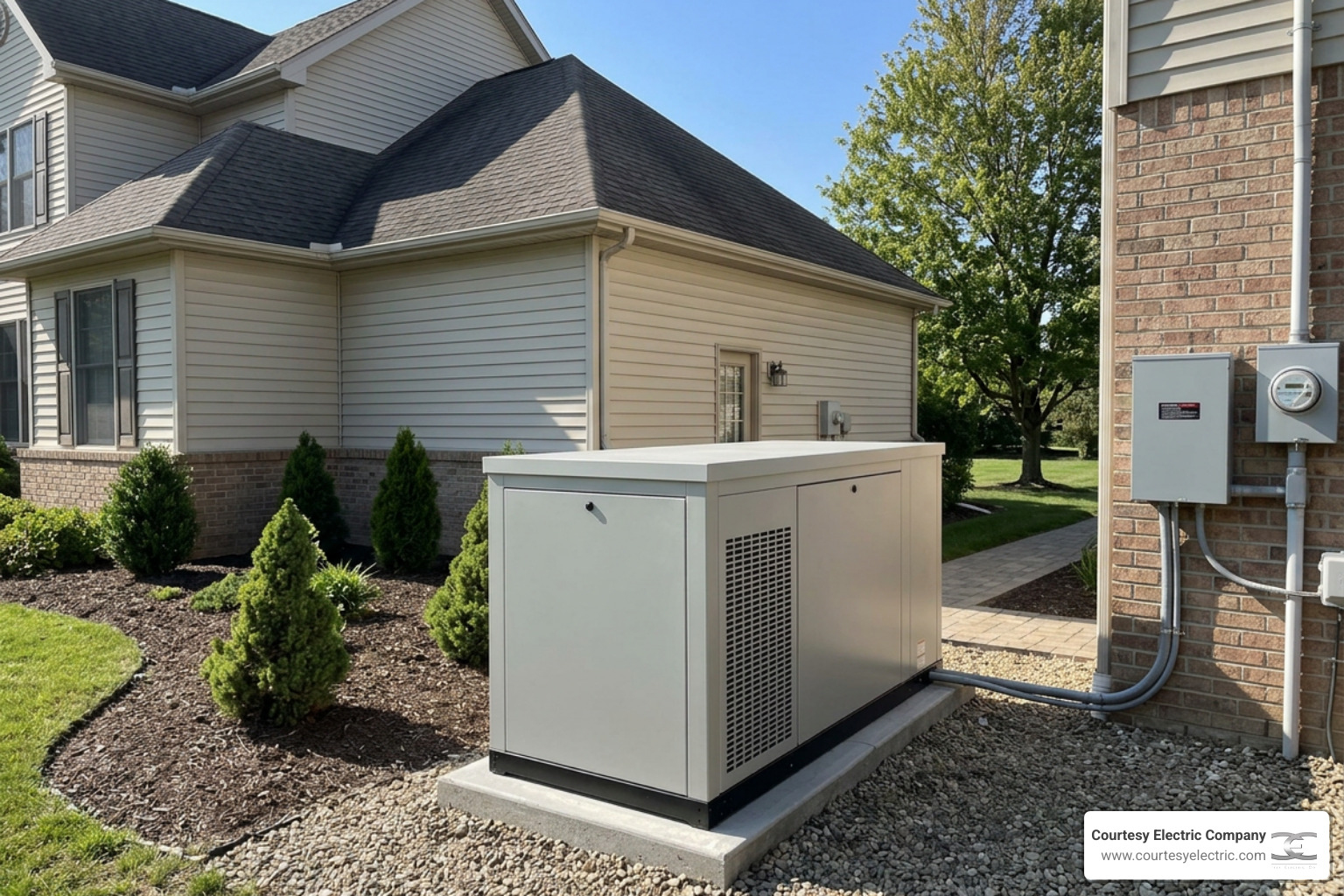
A whole home standby generator is a permanently installed backup power system designed to keep your entire house running when the local electrical grid goes down. Unlike portable units, which require manual setup and refueling during a storm, a standby generator integrates directly with your home's electrical panel and its existing fuel lines.
When utility power fails, the system automatically shifts your home's electrical load to the generator. This seamless transition is handled by a specialized component called an automatic transfer switch (ATS). The generator runs on either natural gas or liquid propane, meaning you do not have to venture outside in dangerous weather to pour gasoline into a hot engine.
To understand how these systems maintain 24/7 energy security, you can read our detailed guide on How Does a Standby Generator Work.
To help you weigh your options, we have broken down the primary differences between standby and portable systems:
| Feature | Whole Home Standby Generator | Portable Gasoline Generator |
|---|---|---|
| Activation | Automatic (within 10 seconds) | Manual (must be rolled out and started) |
| Fuel Source | Natural Gas or Liquid Propane (continuous) | Gasoline (requires manual refueling every few hours) |
| Power Capacity | High (can run central AC, heating, and appliances) | Limited (runs only a few select appliances via extension cords) |
| Weather Resistance | Permanent, weatherproof outdoor enclosure | Must be protected from rain/snow; cannot run indoors |
| Safety Risks | Extremely low; meets strict electrical codes | High risk of carbon monoxide poisoning if placed incorrectly |
| Home Value | Increases property appeal and long-term equity | No impact on property value |
Standby vs. Portable Generators: Key Differences
While portable generators are common, they present significant safety and operational challenges during a true emergency. First, portable units require manual setup. When a blizzard hits or a severe thunderstorm knocks out the power at 2:00 AM, you have to drag the generator out of the garage, run heavy extension cords through cracked windows, and pull-start the engine in the freezing cold or pouring rain.
Second, fuel storage is a major concern. Portable generators run on gasoline, which degrades in as little as 90 days. Storing multiple gallons of highly flammable fuel in a garage or shed is a safety hazard in itself. Furthermore, during a widespread grid failure, local gas stations may also lose power, leaving you unable to buy more fuel when your supply runs out.
The most critical difference, however, is safety. Portable generators produce high levels of carbon monoxide (CO). If they are operated too close to windows, doors, or inside garages, they can cause fatal CO poisoning. Standby generators, by contrast, are permanently installed outdoors at a safe distance from your home's living areas, routing exhaust away from your family. They also eliminate the danger of "backfeeding" (accidentally sending power back into utility lines), which can injure or kill utility workers trying to restore power.
Automatic Outage Detection and Seamless Power Transition
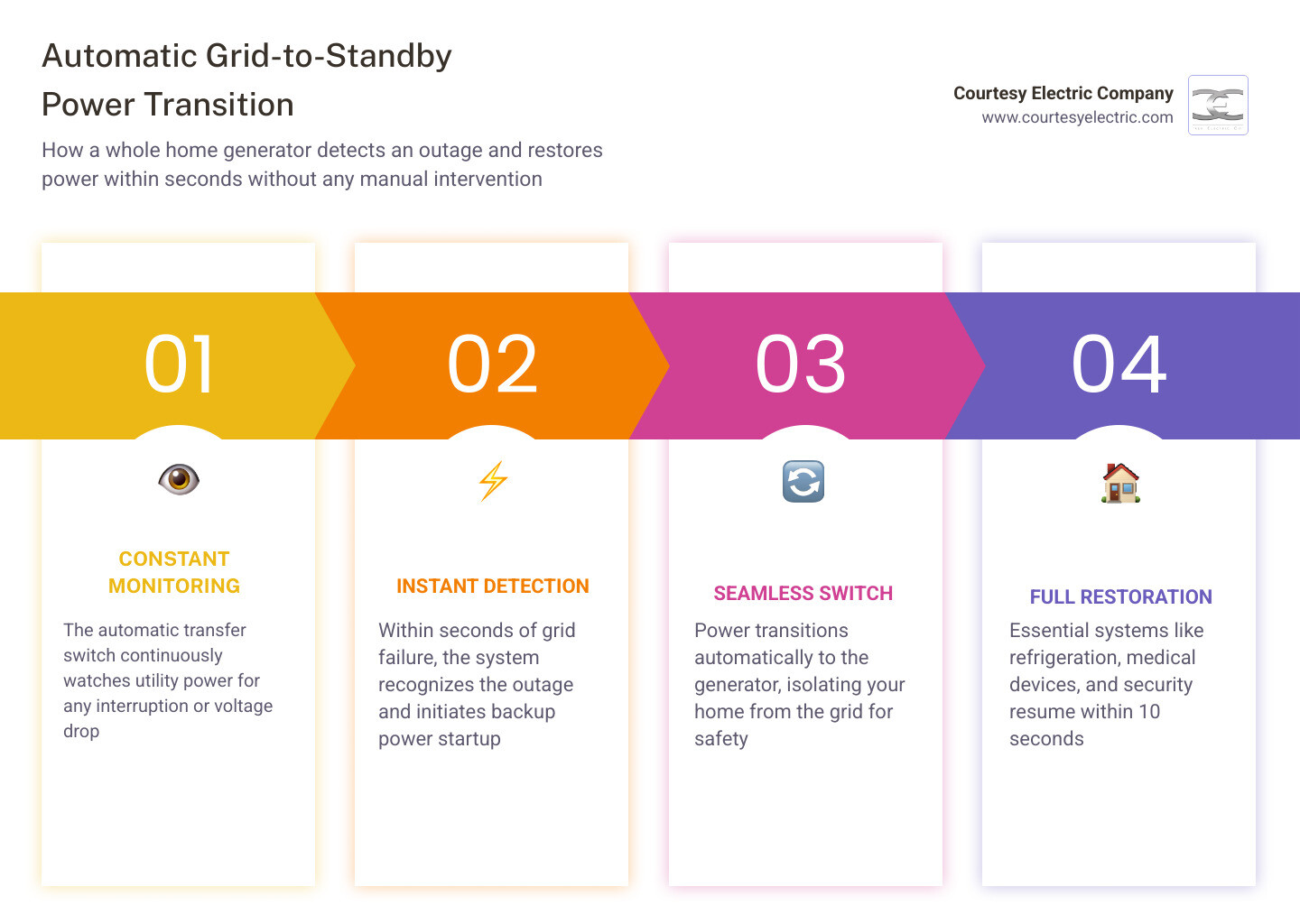
A standby generator acts as a constant, silent sentinel for your home. It continuously monitors the incoming voltage from the utility grid. The moment that voltage drops or fails entirely, the automatic transfer switch immediately isolates your home's electrical system from the utility grid.
Within 10 seconds, the generator’s engine starts, reaches its operating speed, and begins producing clean, stable electricity. The transfer switch then directs this power into your home’s main breaker panel.
This entire process is completely hands-free. Whether you are sleeping, working remotely, or away on vacation, your home remains powered. When utility power is safely restored, the system reverses the process: it reconnects your home to the grid and shuts down the generator engine, returning to its monitoring state.
Safeguarding Your Home’s Essential Systems and Appliances
When the grid fails, a whole home generator does more than just keep your lights on. It actively safeguards the infrastructure of your home and the health of your family. By maintaining a continuous flow of electricity, you can protect sensitive electronic components, keep your home climate-controlled, and prevent expensive property damage.
To learn more about the regional advantages of these systems, explore our article on Whole Home Generator Benefits for Colorado Homeowners.
Keeping Medical Devices and Security Systems Active
For households with vulnerable family members, a power outage is not just an inconvenience—it is a medical emergency. Equipment such as oxygen concentrators, CPAP machines, home dialysis units, and electric wheelchairs require uninterrupted power. A standby generator ensures that these life-saving devices remain operational without a single second of dangerous downtime.
Beyond medical needs, backup power keeps your home security systems fully functional. During a blackout, neighborhood streetlights go dark, making homes targets for vandalism or burglary. A standby generator keeps your security cameras, motion sensors, alarm systems, and outdoor floodlights active, ensuring your property remains secure when the rest of the block is in darkness.
How a Whole Home Generator Protects Your Family from Food Spoilage and Water Damage
One of the most immediate financial losses during an outage is food spoilage. According to FoodSafety.gov, refrigerated food is only safe for up to 4 hours after a power failure, and only if the doors remain closed. A full freezer can keep food safe for up to 48 hours (or 24 hours if it is only half full). If the temperature inside your refrigerator rises above 40°F for more than two hours, the food is no longer safe to eat and must be thrown out. For a growing family, losing a fully stocked refrigerator and freezer can easily cost hundreds of dollars.
Water damage is another major concern. During heavy rains, a power outage will disable your sump pump. Without power, water can quickly back up into your basement. For a 2,500-square-foot home, a sump pump failure resulting in just two inches of flooding has an estimated restoration cost of $26,500. This standing water also creates the perfect environment for mold growth, which can cost anywhere from $500 to $30,000 to remediate. A standby generator keeps your sump pump running, keeping your basement dry and protecting your home's structural integrity.
Weathering Colorado’s Extreme Seasons Safely
The Colorado Front Range is known for its dramatic weather shifts. From sudden blizzards that dump feet of heavy, wet snow to summer thunderstorms packed with lightning, hail, and high winds, our local electrical grid is constantly under stress.
To prepare your property for these seasonal challenges, check out our Storm Preparedness Tips for Colorado Homeowners. You can also learn about how seasonal weather impacts your home's electrical system in our guide on How Blizzards Hail and Lightning Stress Your Wiring.
How a Whole Home Generator Protects Your Family During Extreme Weather
During a severe winter storm, losing power means losing your primary heat source. Even if you have a natural gas furnace, it still requires electricity to run the blower fan, thermostat, and electronic ignition. Without backup power, indoor temperatures can plummet to dangerous levels in a matter of hours, putting infants, young children, and elderly family members at risk of hypothermia.
Conversely, summer heat waves bring their own risks. High temperatures put immense strain on the electrical grid, often resulting in rolling blackouts. For those with respiratory conditions or heat sensitivity, losing air conditioning during a 95°F summer afternoon is highly dangerous. A standby generator has the capacity to run your central air conditioning or heating system, keeping your home a safe, temperature-controlled sanctuary regardless of the weather outside.
Preventing Frozen Pipes and Winter Hazards
When your home loses heat during a winter freeze, the water inside your plumbing lines can quickly drop below freezing. As water freezes, it expands, causing copper or PEX pipes to burst.

A single burst pipe can cause catastrophic water damage behind your walls and beneath your floors, costing an average of $12,500 to repair. By keeping your heating system powered, a whole home generator maintains a safe indoor temperature, preventing your pipes from freezing and saving you from devastating winter repair bills.
Choosing the Right Backup Power Strategy for Your Household
Every household has unique energy needs, which is why choosing the right backup power strategy requires a professional, customized approach. To understand the differences between fuel-powered systems and battery storage, read our Standby Generator vs Battery Backup Cost Comparison. For general guidance on selecting a system, you can also read about Choosing the Right Backup Power for Colorado.
Sizing Your System: Whole-Home vs. Partial-Home Coverage
When planning your backup power system, you must decide between whole-home coverage and partial-home (essential circuits) coverage:
- Whole-Home Coverage: This setup powers every single circuit in your house. You can run high-draw appliances like your electric range, clothes dryer, central AC, and water heater simultaneously. This is ideal for larger families, all-electric homes, or those who want zero disruption to their daily routines.
- Partial-Home Coverage: This configuration targets only your most critical circuits, such as your refrigerator, heating system, sump pump, home security, internet router, and a few lights. This is a highly practical option for families who want to focus strictly on safety and basic comfort.
Calculating your home’s electrical load is a precise science. Our certified electricians look at both the "running watts" (what an appliance needs to operate) and the "surge watts" (the extra power required when a motor, like an AC compressor, first starts up). We also use smart load management modules that can temporarily shed non-essential loads, allowing a mid-sized generator to provide highly effective coverage for your home.
Professional Installation and Maintenance for Guaranteed Reliability
Installing a standby generator is not a DIY project. It involves high-voltage electrical wiring, connecting to your home's main utility lines, and plumbing into your municipal natural gas or liquid propane supply. Professional installation ensures that the work complies with local building codes, National Electrical Code (NEC) regulations, and manufacturer warranty requirements.
For a step-by-step look at what to expect on your installation day, read our guide on Generator Installation What to Expect.
Once installed, regular maintenance is essential to ensure your system is ready to perform when the grid fails. Standby generators perform automated self-test cycles (often weekly or bi-weekly) to keep their internal parts lubricated and confirm the battery is fully charged.
Just like a car, they also require regular oil changes, filter replacements, and spark plug checks. To keep your system in peak condition, refer to our guide on How Often Should You Service Your Standby Generator.
Frequently Asked Questions
How long can a standby generator run continuously during an outage?
A high-quality standby generator can run continuously for up to 500 hours (roughly 21 days), provided it has a continuous fuel supply like natural gas. However, during an extended outage, you should shut the generator down briefly every 24 hours to check the oil level and add oil if necessary. Air-cooled engines also require a full oil and filter change after every 100 hours of continuous runtime to prevent engine wear.
What is the difference between a standby generator and a whole house generator?
"Standby" refers to the permanent, automatic installation type of the generator, while "whole house" refers to its power capacity. A standby generator can be configured as a partial-home system (powering only essential circuits) or as a true whole-house system (powering every circuit on your main electrical panel). The difference comes down to the generator's kilowatt (kW) output and how it is wired into your home.
Does a whole house generator require a transfer switch?
Yes, every permanently installed standby generator must have an automatic transfer switch (ATS) to comply with National Electrical Code Article 702. The transfer switch is a critical safety device that prevents "backfeeding," which is the dangerous flow of electricity from your generator back into the utility lines. It also protects your generator from being damaged when utility power is restored.
Conclusion
At Courtesy Electric Company, we have been providing trusted residential electrical services across Denver and the Colorado Front Range since 1976. Our team specializes in end-to-end power backup solutions, from professional load calculations and system design to seamless generator installations and long-term energy management.
Whether you live in Denver, Parker, Highlands Ranch, or Black Forest, we are here to help you protect your home, your property, and your family from the unexpected. Schedule professional electrical services today to get a free estimate on your backup power installation.


