
Why Smart Homes Demand More From Your Electrical System
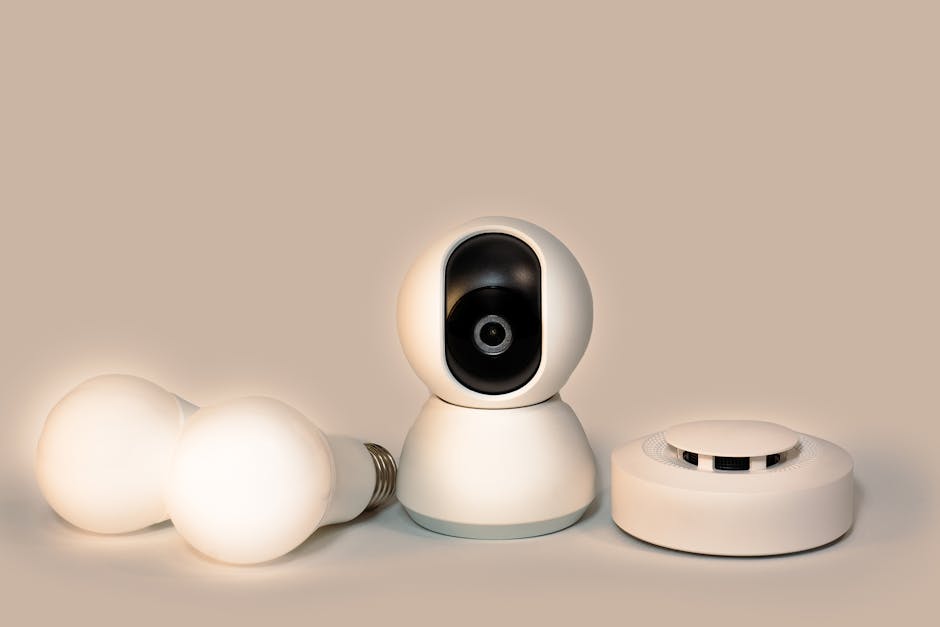
Future-proofing your electrical for smart home technology is one of the most important — and most overlooked — investments a Colorado homeowner can make right now. The average smart home in 2026 runs 25 to 40 connected devices. That means smart thermostats, security cameras, automated lighting, EV chargers, and whole-home battery systems are all drawing power simultaneously from an electrical infrastructure that, in many cases, was never designed to handle it.
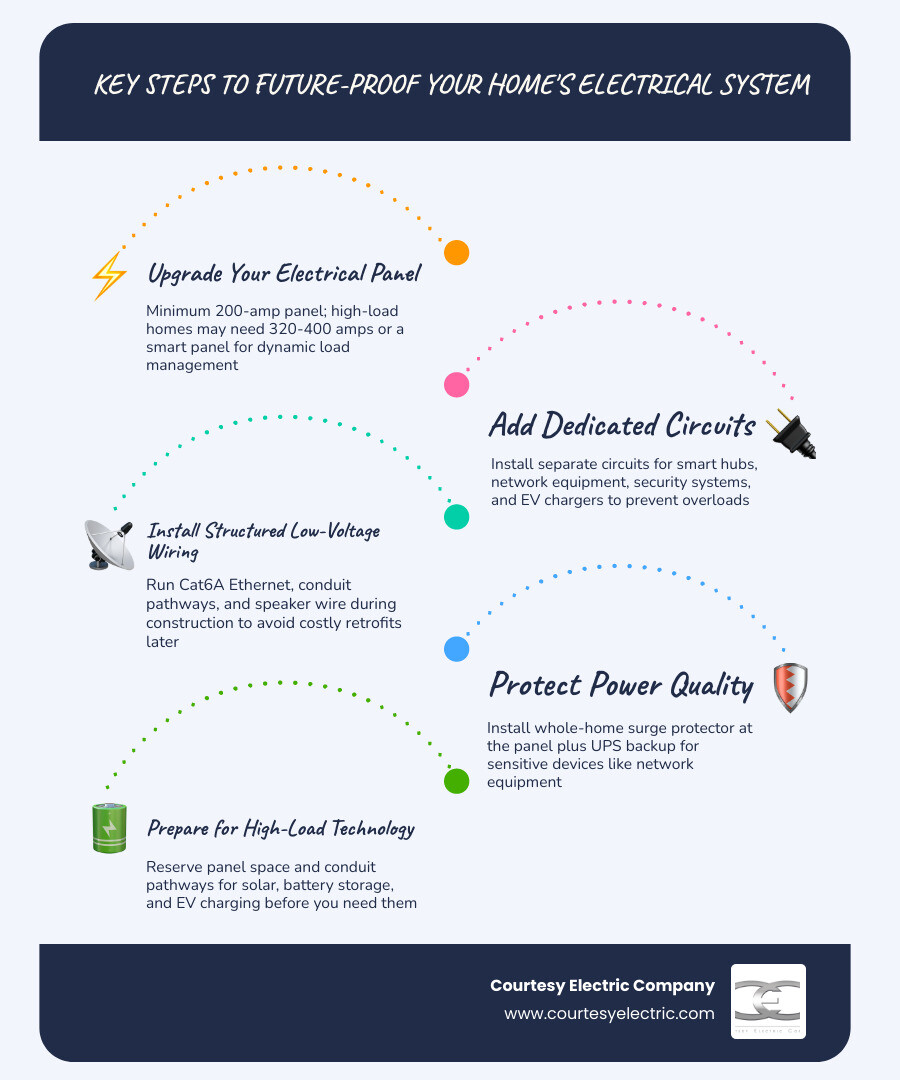
Here is a quick overview of what future-proofing your electrical system for smart home technology actually involves:
Key Steps to Future-Proof Your Home's Electrical System:
- Upgrade your electrical panel — A 200-amp panel is the minimum for a modern smart home; high-load homes may need 320 to 400 amps or a smart panel for dynamic load management.
- Add dedicated circuits — Smart hubs, network equipment, security systems, and EV chargers each need their own circuit to prevent overloads and system reboots.
- Install structured low-voltage wiring — Run Cat6A Ethernet, conduit pathways, and speaker wire during construction or renovation to avoid costly wall-opening retrofits later.
- Protect power quality — Install a whole-home surge protector at the panel plus UPS backup for sensitive devices like network equipment and smart hubs.
- Prepare for high-load technology — Reserve panel space and conduit pathways for solar, battery storage, and EV charging before you need them.
- Meet NEC 2026 code requirements — Ensure AFCI protection, GFCI coverage, tamper-resistant outlets, and weatherproof covers are in place throughout the home.
The stakes are real. Over 60 million homes in the United States have an electrical panel that does not meet current code, and as many as 48 million would need a panel upgrade just to add an EV charger. For homeowners on the Colorado Front Range, where brutal winter storms can knock out power and demand for EV charging is growing fast, an outdated electrical system is not just an inconvenience — it is a liability.
The good news is that most of this infrastructure can be planned and installed in a logical sequence, and doing it proactively is far less expensive than retrofitting after the fact. Pre-wiring during new construction or a major renovation costs a fraction of what it takes to open finished walls later.
I'm David Meyer, Vice President of Courtesy Electric — a Colorado electrical contractor with roots going back to 1976. I've worked across the full spectrum of residential electrical projects, from panel upgrades and smart panel installations to battery storage and low-voltage smart home systems, and future-proofing your electrical for smart home technology is one of the areas where early planning makes the single biggest difference in long-term cost and reliability. Let's walk through exactly what that planning looks like.
Why Future Proofing Your Electrical for Smart Home Technology Starts at the Panel
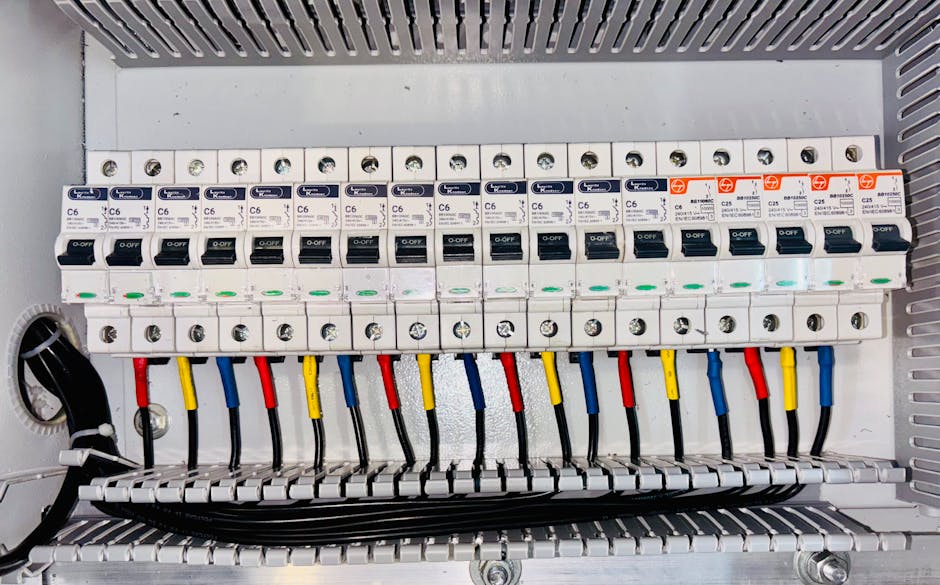
Every smart device, automated switch, and high-load appliance relies on a single source of power: your main service panel. If your home has a 100-amp or 150-amp panel, it was designed for an era when the most demanding appliances were an electric stove and a clothes dryer. Today, adding smart home automation alongside modern electrification upgrades will quickly push these older systems past their limits.
For a modern smart home, a 200-amp service panel is the absolute practical minimum. When we perform load calculations for custom homes or major renovations in Denver and Highlands Ranch, we look at both current demands and future additions. If you plan to add a Level 2 electric vehicle charger, a heat pump, or solar and battery storage, a standard 200-amp panel can fill up surprisingly fast. In larger custom homes, upgrading to a 320-amp or 400-amp service is often the best way to ensure you never have to worry about tripping the main breaker when multiple high-draw systems run at the same time.
Before diving into a major smart home installation, it is vital to assess whether your existing system can handle the load. You can learn more about how to evaluate your current setup in our guide on whether Does Your Electrical Panel Support an EV Charger.
If you are stuck with a standard panel and want to avoid a massive utility service upgrade, or if you simply want unparalleled control over your home's power, modern technology offers an incredible alternative. By comparing a Smart Energy Management vs Traditional Panel, you will see how modern solid-state smart panels, such as the SPAN smart panel, completely redefine home energy management.
Upgrading to Smart Panels for Active Load Management
A traditional electrical panel is a passive safety device; it sits in your garage or basement and trips a breaker when too much current flows. A smart panel, on the other hand, is an active computer that manages your home’s electrical ecosystem.
With a smart panel installation, you gain real-time energy tracking down to the individual circuit level. This allows you to see exactly which appliances are consuming the most power at any given moment. Furthermore, you gain the ability to control every circuit remotely through an app. If you are away from your home in Parker and realize you left a high-draw appliance running, you can shut down that specific breaker with a single tap.
Smart panels also enable dynamic load management. If you are charging your EV, running the air conditioning, and using a smart oven simultaneously, the smart panel can temporarily throttle or pause the EV charger to prevent overloading your electrical service. This active management can save you from having to pay for an expensive utility service upgrade. To understand how these systems protect your home and optimize your daily power use, explore the Energy Management System Benefits for Homeowners.
Preparing for High-Load Electrification in Denver Homes
Future-proofing your home in the Denver metro area and the Colorado Front Range means preparing for a rapid shift toward residential electrification. According to recent surveys, 86% of homeowners view improving their property's energy efficiency as the most desirable home improvement project, and 68% are actively seeking to minimize the amount of energy they use. Additionally, 40% of homeowners identify smart home technology as an easy and affordable way to reduce energy bills.
To achieve these goals, your electrical infrastructure must be ready to integrate several high-load technologies:
- Level 2 EV Chargers: These chargers require dedicated 240-volt circuits (typically 40 to 60 amps). Running these circuits during a renovation is much simpler than trying to fish heavy-gauge wire through finished walls later.
- Battery Storage Systems: Installing a Franklin battery storage system allows you to store excess energy generated during the day or keep your home running during an outage. Your panel must have the physical space and bus duct capacity to accommodate the necessary transfer switches and subpanels.
- Solar Integration: Modern solar panels have higher energy conversion rates than ever before. Preparing your panel with dedicated breaker spaces and pre-running conduit to the roof ensures a seamless solar installation when you are ready.
- Generator Backup: In areas like Black Forest, where winter storms can leave neighborhoods without power, integrating a Generac or Cummins standby generator into your smart electrical system ensures your critical smart devices and security systems stay online.
Designing Structured Low-Voltage Wiring and Dedicated Circuits
While wireless protocols like Wi-Fi 7, Zigbee, and Matter have made smart home devices incredibly convenient, a wireless-only smart home is inherently unstable. As you add more smart switches, streaming cameras, voice assistants, and sensors, your wireless spectrum becomes crowded, leading to dropped connections, latency, and device dropouts.
A truly future-proof smart home relies on a hybrid approach: wireless for mobile devices and portable sensors, and dedicated, hardwired physical infrastructure for everything else. This structured approach ensures that high-bandwidth devices do not compete for wireless airwaves. For a deeper look at managing these individual spaces, check out our guide on How to Track and Control Energy Use Room-by-Room.
The Backbone of Future Proofing Your Electrical for Smart Home Technology
The absolute best investment you can make during a renovation or new construction build is structured low-voltage wiring. This invisible backbone consists of high-grade data cables routed from a central location to strategic points throughout your home.
For any project in 2026, we highly recommend installing Cat6A Ethernet cabling. While older Cat6 cable supports gigabit speeds up to 55 meters, Cat6A extends 10-Gigabit capability across a full 100-meter run and features superior shielding to prevent electromagnetic interference from nearby electrical lines. For massive custom homes or connections between a main house and a detached garage or guest house, running OM4 multi-mode fiber optic cable provides the ultimate bandwidth safeguard for future 40 Gbps and 100 Gbps network links.
To make this infrastructure highly adaptable, you should install a structured media enclosure (often a 28-inch or 42-inch panel) in a centrally located, climate-controlled space like a basement or utility closet. From this central enclosure, run 1-inch ENT (electrical nonmetallic tubing, commonly called "smurf tube") conduit pathways to key locations, such as your living room entertainment center, home office, and the attic. If network standards change in ten or fifteen years, pulling new cables through these empty conduits is a simple five-minute task rather than a destructive drywall demolition project.
Essential Low-Voltage Cable Types for a Future-Proof Home:
- Cat6A UTP/FTP: Run to all TV locations, desk walls, ceiling-mounted Wi-Fi access points, and PoE (Power over Ethernet) security camera locations.
- 16/4 Speaker Wire: Route in pairs from your central equipment rack to in-ceiling or in-wall speaker locations for multi-zone distributed audio.
- 18/2 Stranded Wire: Ideal for low-voltage power runs, such as smart keypads, security sensors, and automated window shades.
- RG6 Quad-Shield Coaxial: Run at least one to two lines to your main TV locations and the attic for over-the-air antennas or cable/satellite feeds.
Dedicated Power Infrastructure for Automation Hubs
Beyond data lines, your smart home infrastructure requires dedicated high-voltage electrical planning. Smart home hubs, network switch racks, and security system recorders are sensitive computers that run 24/7. Placing these devices on shared general-use circuits — where a vacuum cleaner or a hair dryer might trip a breaker — is a recipe for system corruption and annoying reboots.
We recommend dedicating a 15-amp or 20-amp circuit exclusively to your network equipment closet or structured media center. This circuit should power your router, PoE network switches, smart hubs, and security storage drives.
Additionally, pay close attention to your light switch boxes. Traditional electrical wiring often used "switch loops" that did not bring a neutral wire into the switch box. However, almost all modern smart switches and dimmers require a neutral wire to power their internal wireless radios and smart processors. During any rewiring project, ensure your electrician runs a neutral wire to every single switch box in the house. This simple step unlocks endless possibilities for advanced Lighting Control systems that improve convenience and aesthetic appeal.
Finally, consider pre-wiring window headers with low-voltage power lines routed back to a central multi-channel power supply. This allows you to install sleek, motorized smart shades that never require battery changes or manual recharging.
Essential Power Quality and Safety Measures for Sensitive Electronics
Smart home devices are essentially miniature computers installed inside your walls, outlets, and light switches. Unlike a standard light bulb or outlet, these microprocessors are highly sensitive to minor fluctuations in power quality. A sudden utility spike, an electrical storm on the Front Range, or even the internal cycling of a large air conditioner compressor can damage or destroy thousands of dollars of connected smart equipment.
To protect your investments, a layered approach to power quality and surge protection is essential.
| Protection Level | Device Type | Primary Function | Best For |
|---|---|---|---|
| Primary (Whole-Home) | Type 1 or Type 2 Surge Protective Device (SPD) | Shunts high-voltage external surges (like lightning or utility spikes) safely to the ground at the main panel. | Protecting all circuits, appliances, smart switches, and smart panels. |
| Secondary (Point-of-Use) | High-quality surge strips or receptacles | Absorbs residual voltage spikes that pass through the main panel protector. | Home theater systems, smart TVs, and kitchen appliances. |
| Uninterruptible Power (UPS) | Pure Sine Wave UPS Battery Backup | Provides temporary battery power and conditions voltage to eliminate sags, swells, and noise. | Network routers, PoE switches, smart hubs, and security NVRs. |
A whole-home surge protector is your first line of defense. Installed directly onto your main electrical panel, this device monitors incoming voltage and instantly shunts excess energy safely to the ground. However, this system only works perfectly if your home has a robust grounding system. We verify that ground impedance is below 25 ohms (and ideally below 5 ohms) during our smart home installations to ensure surge protectors can do their job effectively.
For your most critical smart components, pair whole-home protection with a pure sine wave Uninterruptible Power Supply (UPS). Unlike cheap battery backups that produce a simulated, blocky square wave, a pure sine wave UPS delivers clean, continuous electrical power that mimics utility power perfectly. This prevents your smart hubs and network switches from rebooting during brief voltage sags, keeping your automated security systems online and functioning. Proper power management and smart scheduling also help lower your overall energy footprint; read more about How to Reduce Your Summer Electric Bill with Smart Technology.
Meeting NEC 2026 Code Requirements for Smart Installations
Future-proofing your electrical system is not just about convenience; it is about safety and legal compliance. The National Electrical Code (NEC) 2026 establishes strict safety standards that apply directly to smart home installations:
- Arc-Fault Circuit Interrupter (AFCI) Protection: NEC Section 210.12 requires AFCI protection for almost all living areas, including kitchens, family rooms, bedrooms, and laundry rooms. Smart switches and dimmers must be compatible with AFCI breakers to prevent nuisance tripping while still protecting your home from dangerous electrical arcing.
- Ground-Fault Circuit Interrupter (GFCI) Protection: GFCI requirements have expanded to cover all outdoor outlets, garages, crawl spaces, and damp areas, including 250-volt circuits. If you are installing an outdoor smart camera or a smart plug near a sink, it must be GFCI-protected.
- Tamper-Resistant Receptacles: All standard indoor receptacles must feature internal shutters to prevent children from inserting foreign objects. When upgrading to smart outlets, ensure they are certified tamper-resistant.
- Weatherproof Covers: Any outdoor smart plugs or bridge devices must use "extra-duty" weatherproof covers (often called "while-in-use" covers) to keep moisture out of the outlet even when a device is plugged in.
Frequently Asked Questions about Future-Proofing Home Electrical Systems
Planning a smart home upgrade often brings up several technical questions for homeowners. Here are some of the most common queries we receive at Courtesy Electric.
What is the minimum panel size required for a modern smart home?
A 200-amp electrical panel is the absolute minimum standard for a modern smart home. If you live in an older home with a 100-amp or 150-amp panel, you will likely run out of physical breaker spaces and electrical capacity as you add smart switches, security systems, and high-load appliances.
For homes that feature complete electrification — including a Level 2 EV charger, an electric heat pump, solar panels, and battery storage — a 320-amp or 400-amp service is highly recommended. Alternatively, installing a SPAN smart panel allows you to actively manage loads on a 200-amp service, avoiding a costly utility service upgrade while still supporting all your modern technology.
Why is structured wiring still necessary if I have high-speed Wi-Fi?
While modern Wi-Fi 6 and Wi-Fi 7 offer incredible speeds, wireless networks are prone to interference, signal degradation through walls, and congestion as more devices connect. A physical Cat6A Ethernet cable provides a dedicated, interference-free highway that delivers consistent 10 Gbps speeds with virtually zero latency.
Using structured wiring for stationary devices like smart TVs, gaming consoles, desktop computers, and security cameras keeps these high-bandwidth demands off your Wi-Fi network. This frees up wireless bandwidth for devices that actually need it, like your smartphone, tablet, and smart home sensors. Furthermore, ceiling-mounted Wi-Fi access points perform best when they use a wired Ethernet backhaul to connect to your router.
How does future proofing your electrical for smart home technology improve home value?
Investing in a modern, organized electrical infrastructure is highly attractive to future buyers. Data shows that 78% of homebuyers are willing to pay a premium for a home with integrated smart features.
A home that is pre-wired with Cat6A Ethernet, features a clean structured media closet, has a modern 200-amp or smart panel, and is pre-configured for solar and EV charging stands out dramatically in the Denver real estate market. It reassures buyers that they can easily move in, connect their devices, and expand their technology without having to pay for invasive, expensive electrical retrofits down the road.
Conclusion
Building a smart home is an exciting journey, but the gadgets and apps you see on the surface are only as reliable as the electrical foundation beneath them. By upgrading your panel, planning dedicated circuits, installing structured low-voltage wiring, and protecting your system from power surges, you create an adaptable, safe, and resilient home that is ready for whatever technology the future brings.
At Courtesy Electric Company, we have been helping homeowners across Denver, Parker, Highlands Ranch, and the Colorado Front Range build reliable, state-of-the-art electrical systems since 1976. Whether you need a simple panel upgrade, a SPAN smart panel installation, a standby generator, or a complete low-voltage structured wiring design, our experienced team is here to guide you every step of the way.
We pride ourselves on quality, integrity, and dependable craftsmanship, and we are happy to offer free estimates on all our electrical installations to help you plan your project with confidence. Schedule professional electrical services today and let us build the perfect foundation for your smart home.


