When Should You Call an Electrician vs. DIY? Here's What Every Colorado Homeowner Needs to Know
Knowing when should you call an electrician vs DIY could be the difference between a safe home and a dangerous one. Some electrical tasks are perfectly reasonable for a capable homeowner to handle. Others are legally required to be done by a licensed professional — and getting that wrong can mean electrical fires, serious injury, voided insurance, or costly code violations. Here's a quick breakdown before we dive deeper:
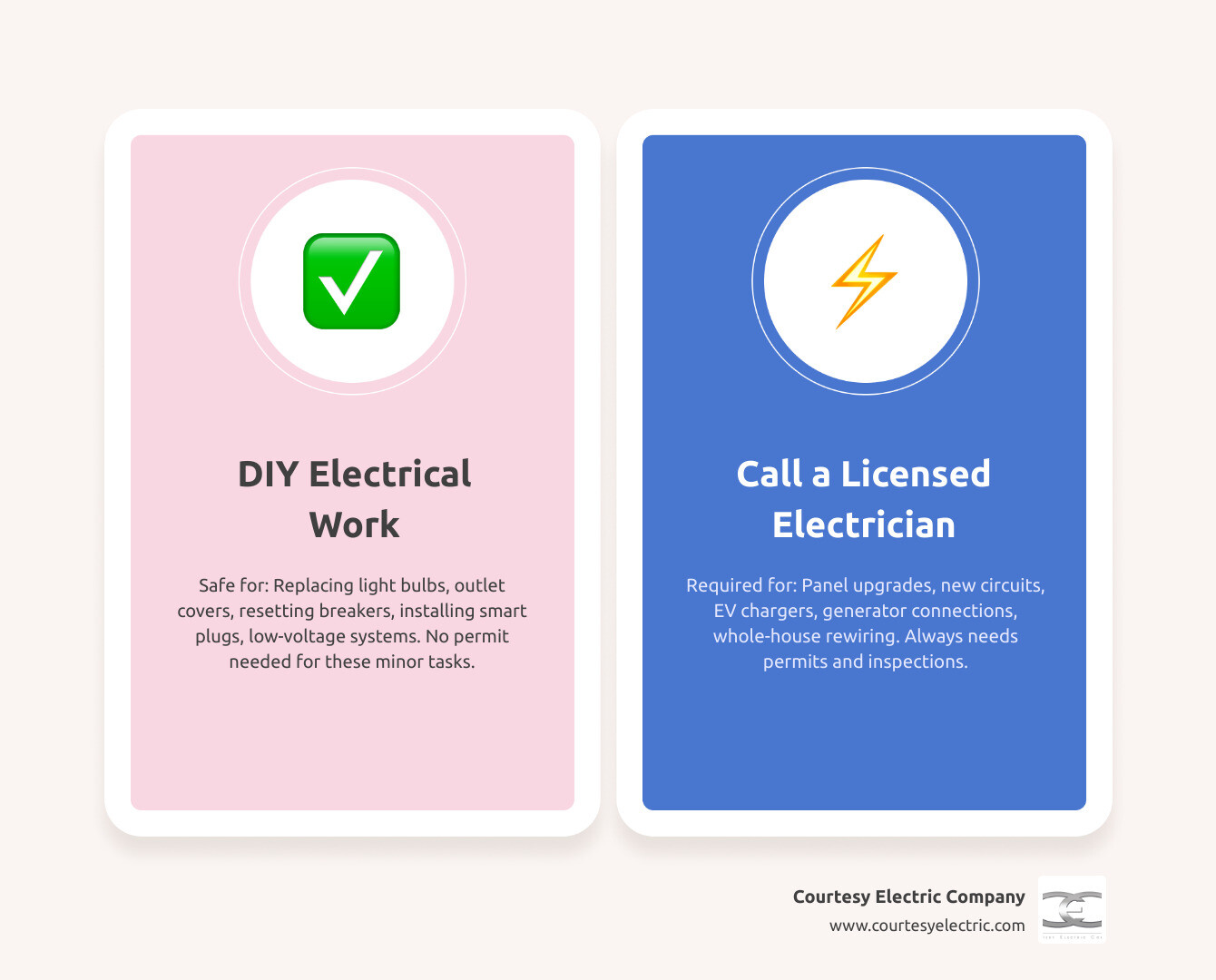
Call a licensed electrician for:
- Electrical panel upgrades or replacements
- Adding new circuits or wiring
- EV charger installation
- Generator and transfer switch connections
- Whole-house rewiring
- Any work requiring a permit
Safe for most capable DIYers:
- Replacing light bulbs
- Swapping outlet covers or switch plates
- Resetting a tripped breaker
- Installing plug-in smart devices
- Testing and resetting GFCI outlets
- Installing low-voltage systems (doorbell, smart thermostat)
Electrical failures cause over 50,000 home fires every year in the United States, resulting in around 500 deaths and $1.3 billion in property damage. Many of those fires trace back to improper wiring or unpermitted work. That's not meant to scare you away from every home improvement project — it's meant to help you make smart, informed decisions.
I'm David Meyer, Vice President of Courtesy Electric, a Colorado electrical contractor with roots going back to 1976. Over the decades, I've seen what goes wrong when the line between DIY and professional work gets blurred — and I've helped hundreds of Front Range homeowners understand when to call an electrician vs. DIY before a small mistake becomes a major problem. Let's walk through exactly where that line is.
Understanding the Risks: When Should You Call an Electrician vs DIY
It is incredibly easy to underestimate how complex a home's electrical system actually is. When you paint a room or hang drywall, a mistake results in an ugly wall. When you make a mistake with electrical wiring, the consequences can be immediate and catastrophic. Understanding the key differences in risk levels is the first step in deciding when should you call an electrician vs diy.
Every year, more than 30,000 injuries are reported nationally due to DIY electrical accidents. Unlike other home repairs, electricity leaves absolutely zero room for error. A single loose wire connection can create resistance, which generates intense heat and can easily ignite surrounding insulation or wood studs over time. This is why we emphasize that a basic understanding of Electrical Safety Tips Every Homeowner Should Know is vital before you touch any part of your system.
The primary physical dangers of DIY electrical work include:
- Severe Electrical Shock and Electrocution: Even standard 120-volt household current can be fatal under the right conditions. It takes as little as 50 milliamperes of current to cause heart failure.
- Arcing and Flash Hazards: Accidentally bridging a hot wire to a grounded surface can cause a violent electrical arc, throwing off molten metal and causing severe burns or eye injuries.
- Hidden Fire Hazards: A poorly made connection might work perfectly fine when you first turn the power back on. However, weeks or months later, the wire can begin to spark, overheat, and cause a devastating fire. Reading up on How to Prevent Electrical Fires in Your Home can help you understand the structural risks involved with DIY modifications.
- Code Violations: Modern building codes are highly specific. If your work does not comply with the current National Electrical Code (NEC), you run the risk of creating a hazardous environment that will fail future inspections.
Safety Risks and Warning Signs of When Should You Call an Electrician vs DIY
Sometimes, your home's electrical system will try to warn you that something is wrong. Knowing how to recognize these red flags is crucial for your safety. If you are in the middle of a DIY project and encounter any of these warning signs, you should stop working immediately, turn off the power at the main breaker, and call a professional.
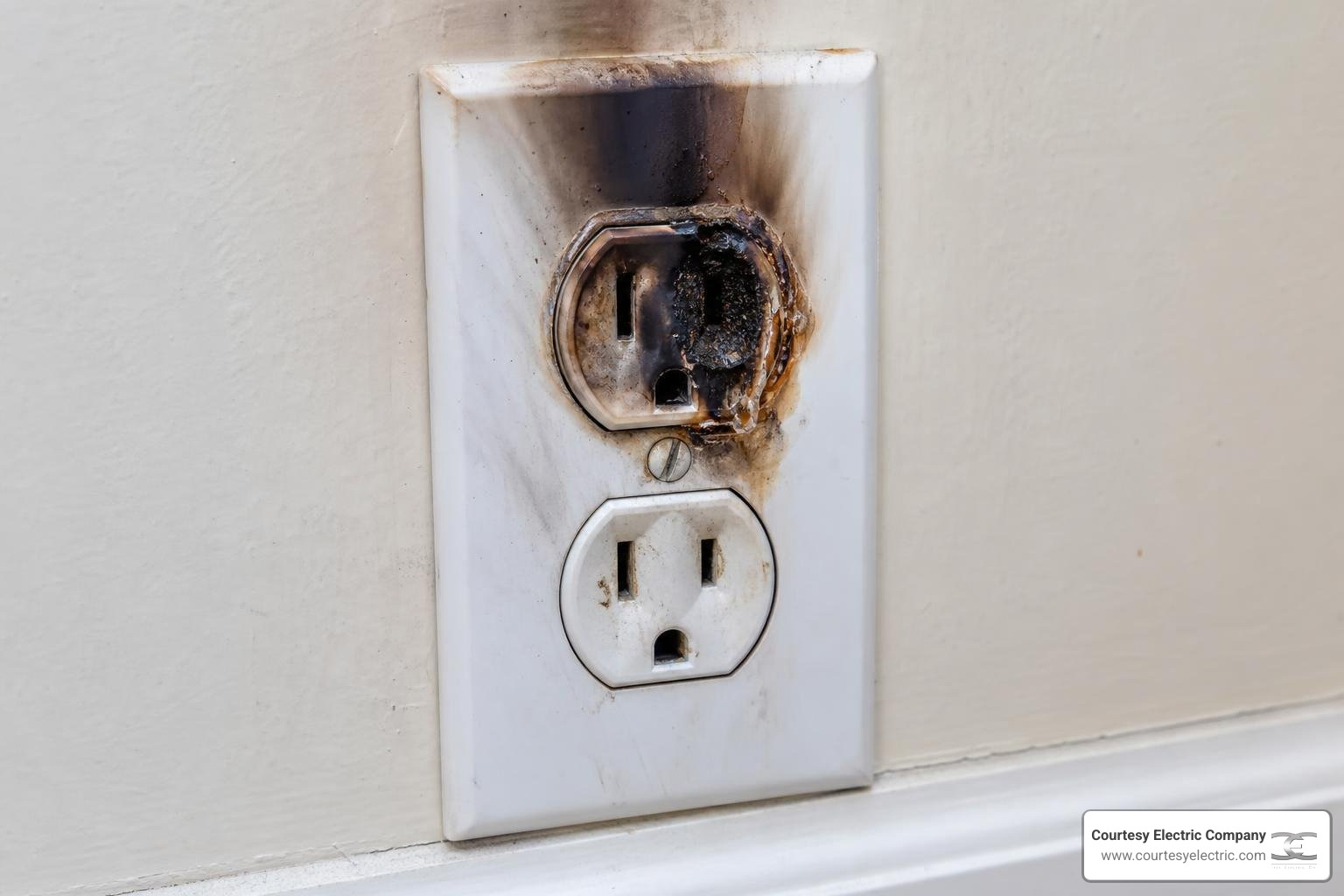
Keep a close eye out for these common danger signals:
- Burning Smells: If you smell a distinct plastic-like burning odor near an outlet, switch, or electrical panel, this is an immediate emergency. It indicates that plastic insulation is actively melting due to extreme heat or arcing.
- Flickering or Dimming Lights: While a single flickering bulb might just be loose, lights that flicker throughout a room or the entire house often point to a failing neutral wire, an overloaded circuit, or problems at the main panel.
- Buzzing or Sizzling Sounds: A healthy electrical connection is completely silent. If you hear humming, buzzing, or clicking behind your walls or inside an outlet box, it means electricity is jumping across a gap (arcing).
- Warm Outlets or Switch Plates: Outlets and switches should never feel warm to the touch. Warmth indicates excessive resistance and is a precursor to an electrical fire.
To protect your family, it is essential to learn How to Spot Electrical Problems Before They Become Dangerous so you can address issues before they escalate.
Financial and Insurance Consequences of When Should You Call an Electrician vs DIY
Many homeowners attempt DIY electrical work to save money. However, a single mistake can end up costing significantly more than hiring a licensed professional in the first place. The financial risks of unpermitted or improper DIY work extend far beyond the immediate cost of repairs.
One of the most critical risks involves homeowners insurance coverage. Most insurance policies contain clauses that exclude coverage for damages caused by unpermitted, unlicensed, or non-code-compliant electrical work. If a fire starts due to a DIY outlet installation or panel modification, your insurance provider has the legal right to deny your claim entirely. This leaves you personally liable for rebuilding costs, property damage, and any potential injuries.
Additionally, unpermitted work will almost certainly create major obstacles when you decide to sell your home. Real estate inspectors are trained to spot non-professional wiring, ungrounded outlets, and missing permits. When these issues are flagged, you will be required to hire a licensed electrician to tear out the improper work, pull retrospective permits, and redo the installation correctly before the sale can close.
To ensure your home remains compliant and fully protected, we recommend reviewing the Ultimate Electrical Fire Safety Checklist Home to evaluate your property's current safety standing.
Safe Electrical Tasks for Capable DIY Homeowners
We completely support homeowners who want to handle basic home maintenance. There are several simple, low-risk electrical tasks that you can safely complete yourself without needing a permit or professional training.
If you have a basic understanding of safety protocols, you can confidently tackle these projects:
- Replacing Light Bulbs: This is the simplest task of all, but always make sure the light fixture is switched off before swapping bulbs.
- Swapping Outlet Covers and Switch Plates: If your plastic plates are cracked or outdated, you can easily unscrew them and replace them. Just be careful not to touch the metal terminals on the sides of the outlet or switch inside the box.
- Installing Plug-In Smart Devices: Smart plugs, smart bulbs, and plug-in home assistants do not require any physical wiring changes and are 100% safe to set up yourself.
- Resetting Tripped Breakers: If a circuit shuts off because you ran too many appliances at once, you can safely reset the breaker at your panel. However, if the breaker trips again immediately, do not keep resetting it—this indicates a direct short circuit or a serious overload that requires professional diagnosis.
- Testing and Resetting GFCI Outlets: You should press the "Test" button on your Ground Fault Circuit Interrupter (GFCI) outlets once a month to ensure they trip properly, then press "Reset" to restore power.
- Low-Voltage Systems: Installing battery-powered or low-voltage devices, such as smart thermostats, video doorbells, or landscape lighting, is generally very safe because these systems operate on low voltage (typically 12 to 24 volts) that cannot deliver a dangerous shock.
Essential Safety Equipment and Knowledge for DIY Work
Before attempting even the simplest electrical DIY task, you must have the proper safety gear and a solid understanding of basic electrical concepts. Never attempt to "wing it" when working with live electricity.
At a minimum, your DIY toolkit should include:
- Non-Contact Voltage Tester: This is the single most important safety tool you can own. Before touching any wire, you must use this tester to verify that the power is completely off. Never rely solely on the label on your breaker panel.
- Insulated Hand Tools: Use screwdrivers and pliers with rubberized, insulated handles rated for electrical work.
- Rubber-Soled Shoes: Always wear dry, rubber-soled shoes to help insulate your body from the ground.
- Safety Glasses: Protect your eyes from potential sparks or debris when working inside electrical boxes.
Additionally, if you live in an older property, you should consult the Electrical Safety Checklist for Older Homes to identify potential hazards like ungrounded outlets, knob-and-tube wiring, or degraded insulation before starting any project.
Electrical Projects That Legally Require a Licensed Professional
While replacing a light switch plate is a great afternoon DIY project, major electrical work is strictly the domain of licensed professionals. Licensed electricians complete over 9,000 hours of rigorous training and field experience before they receive their credentials. This level of expertise is required because high-voltage systems and complex installations demand precision.
The following projects should never be attempted as DIY:
- Electrical Panel Upgrades and Retrofits: Working inside your main service panel is incredibly dangerous. The main bus bars carry high-amperage current that remains fully energized even if you turn off the main breaker. Upgrading your service panel, installing a modern smart panel like a SPAN panel, or replacing old breakers must always be handled by a professional.
- Adding New Circuits and Running New Wiring: Pulling new wires through walls, performing box fill calculations, and connecting new circuits to your breaker panel require deep technical knowledge to prevent overheating and fire risks.
- EV Charger Installations: Modern electric vehicle chargers require dedicated 240-volt circuits that draw high amounts of continuous power. Improper installation can overload your home's electrical panel or damage your vehicle's battery.
- Generator and Battery Backup Systems: Installing home standby generators (such as Generac or Cummins systems) or home battery storage (like Franklin Battery Storage) requires complex transfer switches to prevent "backfeeding." Backfeeding is a highly dangerous phenomenon where electricity flows backward into the utility lines, which can electrocute utility workers trying to restore power during an outage.
- Whole-House Rewiring: If your home has outdated or failing wiring, a full replacement is required to keep your property safe. Understanding How Outdated Wiring Increases Fire Risk will help you see why this massive undertaking must be left entirely to a licensed crew.
How to Know If Your Project Requires a Permit
A simple rule of thumb to help you decide when should you call an electrician vs diy is checking whether the project requires a local building permit.
In Denver and throughout the Colorado Front Range, building codes require permits for any work that alters, extends, or upgrades your home's permanent electrical infrastructure. This includes:
- Installing a new electrical panel or upgrading service amperage (e.g., from 100-amp to 200-amp service)
- Adding new electrical outlets, switches, or light fixtures in entirely new locations
- Running new wiring through walls or ceilings
- Installing high-voltage appliances, EV chargers, generators, or solar battery systems
Permits are not just bureaucratic red tape; they exist to ensure your safety. When a permit is pulled, a third-party city or county inspector will visit your home to review the completed work and verify that it complies with the National Electrical Code (NEC). If you do not have a permit, the work is considered illegal and can result in fines, forced removal of the wiring, and major issues during future home sales.
Frequently Asked Questions About Home Electrical Work
What electrical tasks can I legally do myself in Colorado?
In most Colorado municipalities, homeowners are legally allowed to perform minor, like-for-like replacements without a permit. This means you can swap an existing standard outlet with a new standard outlet, replace an old light fixture with a new one in the exact same location, or replace a standard single-pole light switch.
However, you must still comply with all local ordinances and safety regulations. You are not legally permitted to add new wiring, install new circuits, or perform service panel modifications yourself. If you reside in a multi-family home, townhome, or condo, local codes often prohibit any DIY electrical modifications due to the shared safety risks to your neighbors.
How does unpermitted DIY electrical work affect my home's resale value?
Unpermitted electrical work is a major red flag for home buyers and real estate inspectors. During a home inspection, an inspector will easily spot non-professional wiring techniques, overfilled junction boxes, or ungrounded systems.
If unpermitted work is discovered, Colorado disclosure laws require you to inform potential buyers. This often leads to buyers demanding that you pay to have a licensed electrician evaluate and redo the work, or they may negotiate a significant reduction in your home's sale price. In some cases, buyers will simply walk away from the deal entirely to avoid inheriting a fire hazard.
When is a flickering light or warm outlet considered an emergency?
A warm outlet or switch plate is always considered an active electrical emergency. It indicates that electricity is meeting extreme resistance or that active arcing is occurring behind the wall, which can ignite a fire at any moment. You should immediately turn off the circuit breaker for that room and contact a professional.
Similarly, if your lights are flickering violently, or if half of your home suddenly loses power while the other half remains on, you may have a dropped neutral wire from the utility line. This can cause severe voltage imbalances that can destroy your appliances and create fire hazards. To learn more about protecting your property, read through these Electrical Fire Prevention Tips for Homeowners.
Conclusion
Taking care of your home is a great source of pride, but keeping your family safe should always be your top priority. While replacing switch plates or setting up smart plugs are excellent DIY projects, complex electrical work requires professional training, specialized tools, and strict adherence to local building codes.
For over four decades, Courtesy Electric Company has been the trusted name for residential electrical services across Denver and the Colorado Front Range, including Parker, Highlands Ranch, and Black Forest. Whether you are looking to upgrade your electrical panel, protect your home from winter outages with a Generac or Cummins standby generator, install a SPAN smart panel, or set up a Franklin battery storage system, our experienced team is here to help. We are dedicated to providing quality installations with integrity and dependability, and we are happy to offer free estimates on all new installations.
If you are still weighing your options on when to call an electrician vs DIY, it is always safest to consult the experts. Schedule a professional electrical service with Courtesy Electric Company today, or reach out to our friendly team for a free estimate on your next home upgrade!


