Navigating the Best Colorado EV Charger Incentive Programs for 2026
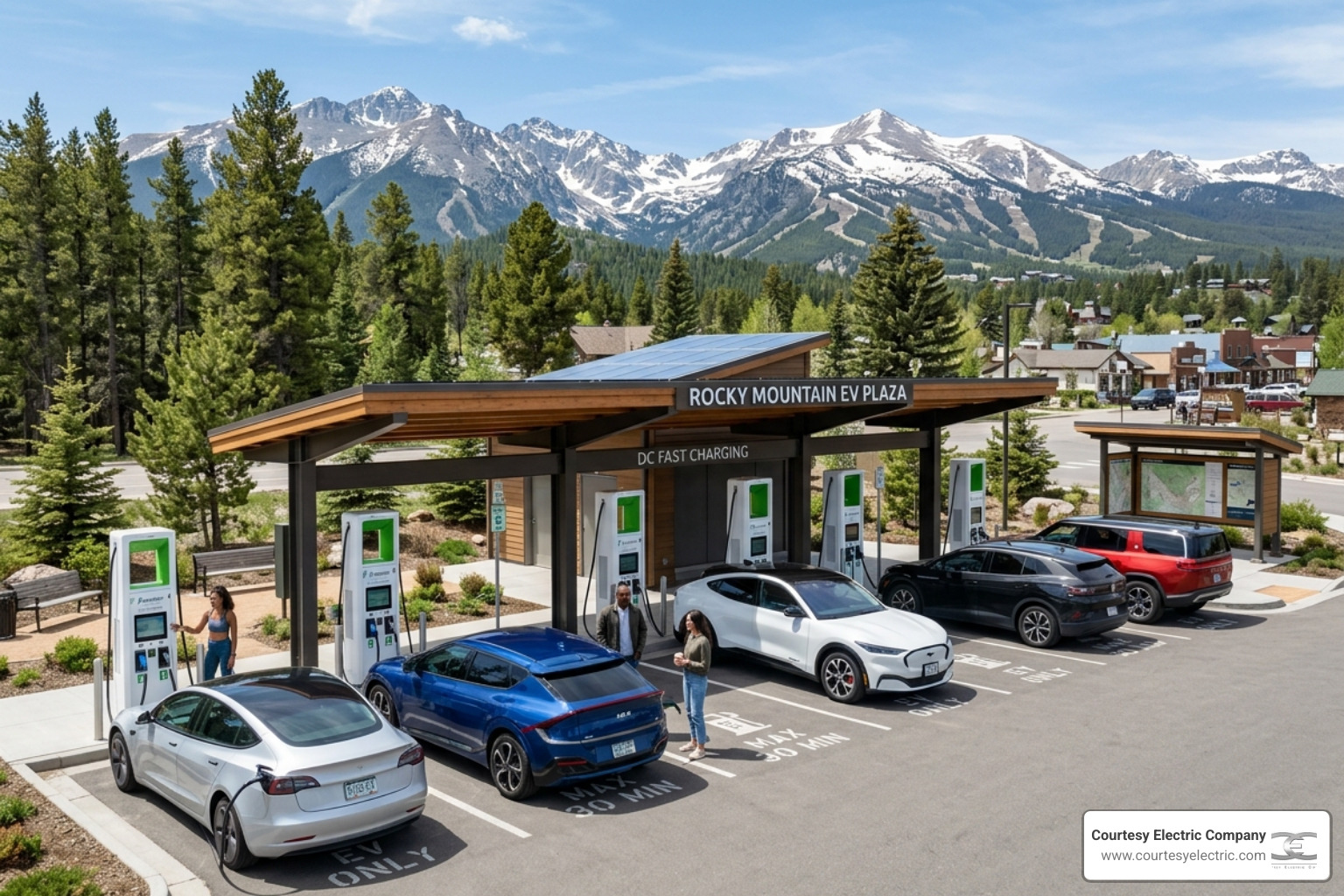
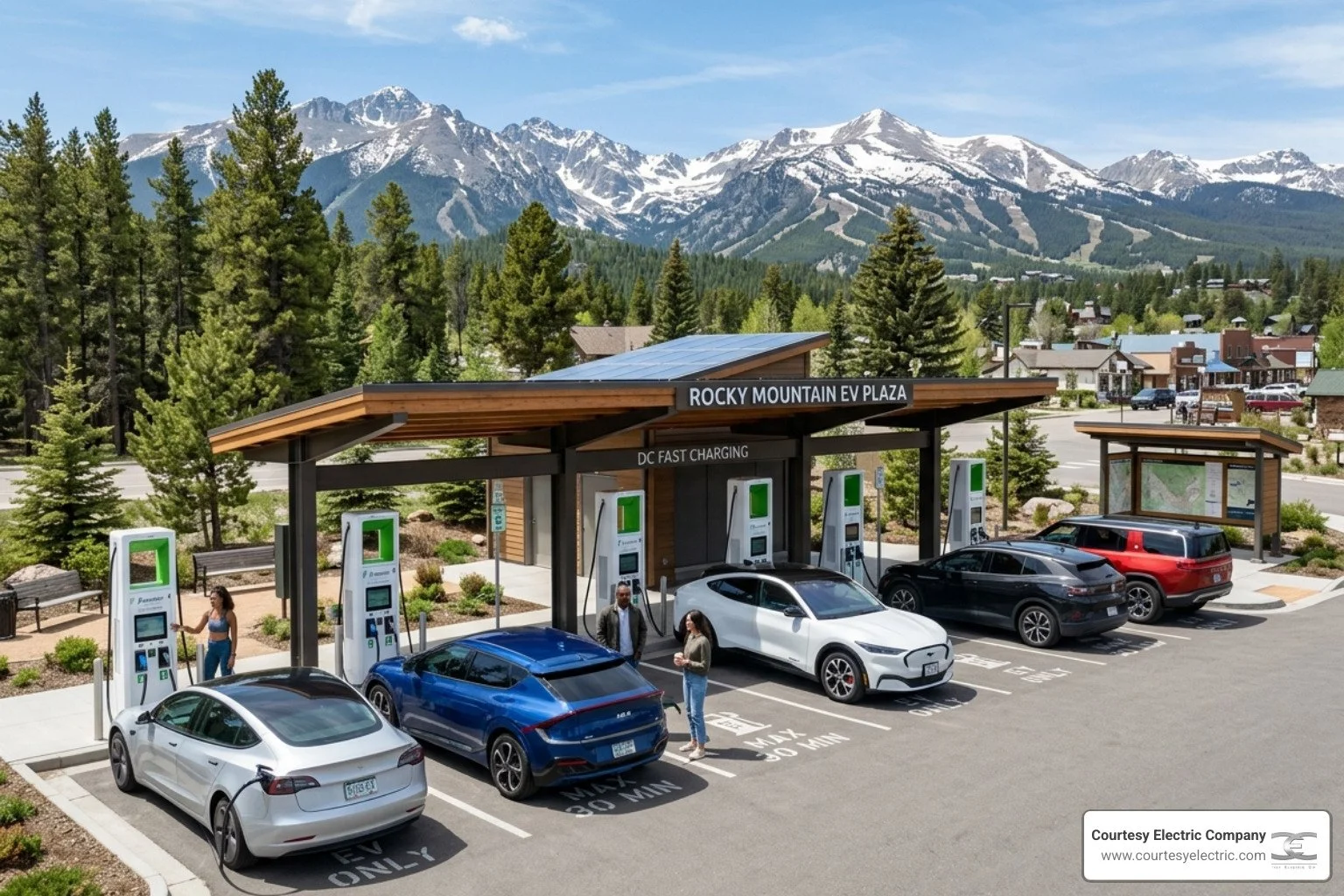
When we talk about the heavy hitters in the state, two names come up constantly: Charge Ahead Colorado and DCFC Plazas. These programs are the backbone of the state's infrastructure push. Managed by the Colorado Energy Office (CEO) and the Regional Air Quality Council (RAQC), these grants are designed to get chargers into the ground where people live, work, and travel.
The Charge Ahead Colorado program is particularly impressive because it can cover up to 80% of the total cost of EV charging station equipment and installation. For a standard Level 2 dual-port station, you could see a cap of up to $9,000. If you are looking at high-powered Level 3 (DC Fast Charging) stations, the standard incentive can reach up to $50,000 per station.
The DCFC Plazas program focuses on high-speed charging along major highway corridors and in community hubs. This program is essential for reducing "range anxiety" for those long trips across the Front Range or into the mountains. It specifically targets chargers with at least 150 kW of power, providing up to $140,000 per port to ensure Colorado has a world-class charging network.
More info about electrical services
Who is eligible for colorado ev charger incentive programs?
One of the most common questions we hear at Courtesy Electric is, "Do I actually qualify for this?" While these specific state grants aren't currently open to individual single-family homeowners (we’ll get to your utility rebates in a moment!), they are wide open for almost every other entity.
Eligible applicants include:
- Multifamily Housing: Apartment complexes and HOAs are a massive priority in 2026.
- Local Governments: Municipalities looking to electrify their town centers.
- Non-profit Organizations: Helping community-focused groups lead the way in sustainability.
- Tribal Governments: Ensuring equitable access across all Colorado lands.
- Qualifying Entities: This includes schools, workplaces, and businesses located in "disproportionately impacted communities."
If your project is located in a disadvantaged or high-emissions community, you may be eligible for "enhanced incentives." These offer higher funding amounts per port and a lower required financial match from your side.
Application cycles and match requirements
Getting these funds requires a bit of timing. Charge Ahead Colorado typically operates on three standard application rounds per year — usually in January, May, and October. As of May 2026, we are right in the middle of a major funding cycle.
For most applicants, there is a 20% minimum match requirement. This means the grant covers 80%, and you cover the remaining 20%. However, for "qualifying entities" or those in priority areas, that match is often reduced to just 10%.
For smaller projects (up to six Level 2 ports), there is a rolling application lane that stays open year-round, making it easier for small businesses to jump in without waiting for a major window. The maximum award for a standard round is typically $250,000, though multifamily portfolios can sometimes see even higher caps.
Utility-Specific Rebates for Front Range Homeowners and Businesses
While state grants handle the big public projects, your local utility company is usually your best friend for residential and small business upgrades. If you live in Denver, Parker, or Highlands Ranch, you are likely served by one of the major providers offering significant colorado ev charger incentive programs.
More info about electrical services
Residential colorado ev charger incentive programs and wiring grants
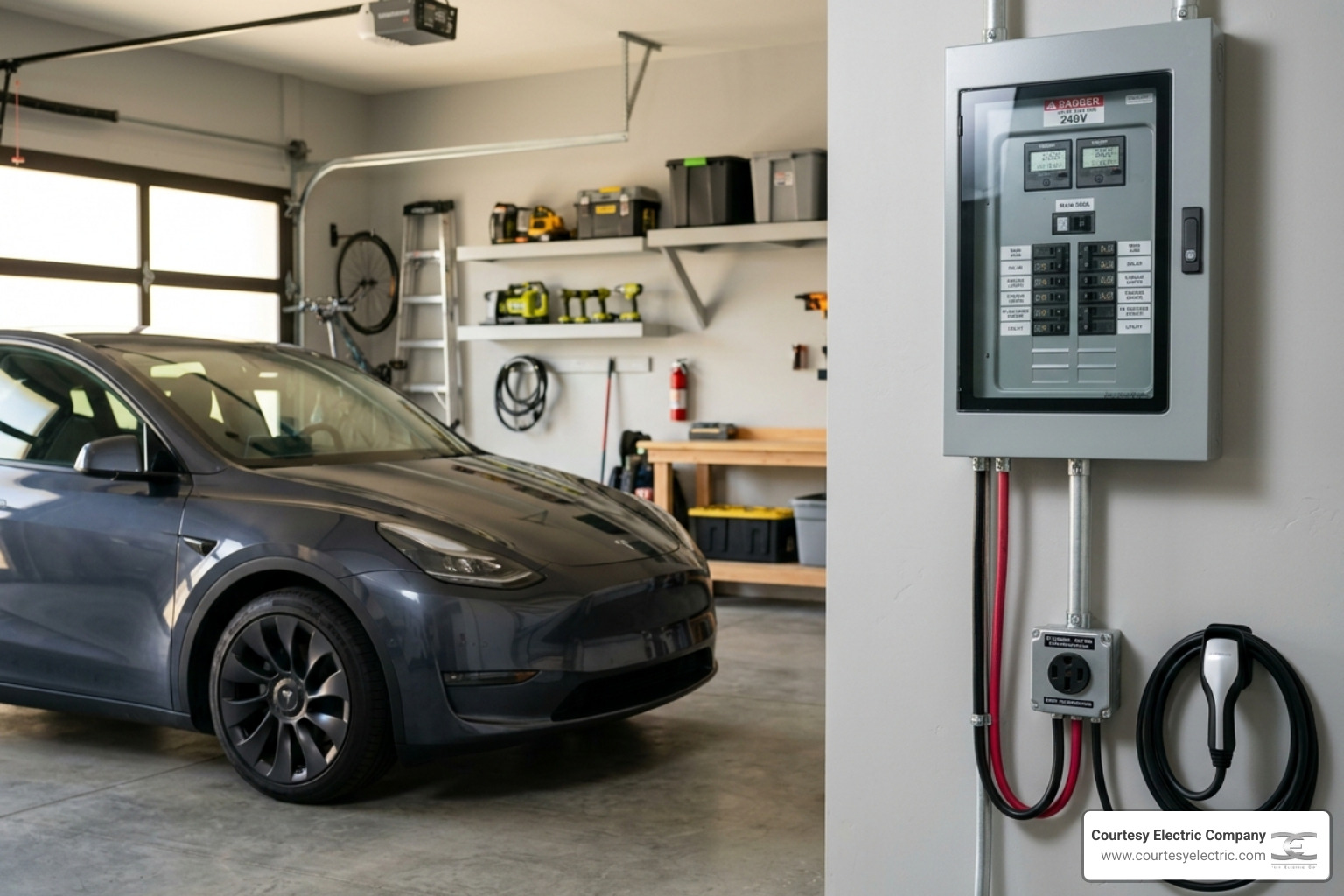
For the average homeowner, the biggest hurdle isn't just the charger—it's the "make-ready" infrastructure. Older homes in the Denver area often need a panel upgrade or dedicated 240V wiring to handle a Level 2 charger.
- Xcel Energy: Offers a residential rebate of up to $1,300 to help cover the costs of home wiring for a Level 2 charger. If you meet income-qualified criteria, that incentive can jump even higher.
- EV Home Charge: This state-funded program provides grants to electric co-ops and municipal utilities (like those in Longmont or Fort Collins) so they can offer their customers rebates of $1,000 (standard) or $1,500 (income-qualified) for panel and wiring upgrades.
- Black Hills Energy: Their "Ready EV" program offers a $500 rebate for residential Level 2 charger installation, which increases to $1,300 for income-qualified customers.
- Operational Savings: Beyond the install, many utilities offer Time-of-Day (TOD) rates. By charging your car between 9:00 PM and 9:00 AM, you pay significantly less for electricity. Some even offer an "EVolved Charging Incentive," which provides a $10 monthly credit just for staying off-peak.
Commercial and workplace charging incentives
If you own a business or manage a commercial property on the Front Range, the incentives are even more robust.
- Small Business Rebates: Xcel Energy provides rebates starting at $2,500 per port for Level 2 stations at workplaces.
- Multifamily Portfolio Awards: For property managers looking to upgrade multiple buildings, awards can reach a $500,000 cap per round.
- Fleet-ZERO: If you are transitioning a company fleet to electric, this program is designed specifically for you, focusing on the infrastructure needed to keep a fleet moving.
- Make-Ready Infrastructure: Many utilities will actually install the "make-ready" portion (the transformers, meters, and wiring up to the charger) at little to no cost for commercial participants.
Federal Tax Credits and State Vehicle Exchange Savings
Savings don't stop at the state line. You can "stack" these local rebates with federal tax credits to drive your out-of-pocket costs down to nearly zero in some cases.
| Incentive Type | Program Name | Max Value (Residential) | Max Value (Commercial) |
|---|---|---|---|
| Federal Tax Credit | 30C Infrastructure Credit | 30% up to $1,000 | 30% up to $100,000 |
| State Rebate | Vehicle Exchange (VXC) | $9,000 (New) | N/A |
| State Tax Credit | CO EV Tax Credit | Up to $3,250 | Varies by weight |
More info about electrical services
Maximizing the Vehicle Exchange Colorado (VXC) rebate
The Vehicle Exchange Colorado (VXC) program is a game-changer for income-qualified households (those earning below 80% of their Area Median Income). If you have an old, high-emitting gas car that is at least 12 years old (or failed an emissions test), you can recycle it for a massive point-of-sale rebate.
In 2026, the VXC offers:
- $9,000 toward a new Battery Electric Vehicle (BEV) or Plug-in Hybrid (PHEV).
- $6,000 toward a used EV.
This is a point-of-sale discount, meaning you don't have to wait until tax season to see the money; it comes right off the price at the dealership.
State tax credits for new electric vehicles
Even if you don't qualify for the VXC, every Colorado taxpayer can benefit from the state's EV tax credit. For the 2026 tax year, a standard $750 credit applies to new EVs with an MSRP up to $80,000.
However, there is an "extra" bonus for affordability: if the vehicle has an MSRP under $35,000, you can qualify for an additional $2,500 credit, bringing your total state tax savings to $3,250. When you add the federal clean vehicle credit on top of that, the savings are staggering.
New 2026 Requirements for Multifamily and Public Charging
As of May 2026, new regulations have changed how we install chargers in public and shared spaces. The most exciting update is the Deeded and Assigned (DnA) Parking incentive.
This new branch of colorado ev charger incentive programs specifically funds "outlet charging" in multifamily buildings. Instead of expensive commercial pedestals, it helps HOAs install high-powered outlets in assigned parking spots so residents can use their own mobile chargers.
Accessibility and HB24-1161 Compliance
Safety and equity are at the forefront of 2026 installations. All new projects, regardless of whether they receive grant funding, must comply with HB24-1161. This state law requires EV charging stations to meet specific accessible design standards, ensuring that drivers with disabilities have the same ease of access to charging as anyone else. This includes specific requirements for:
- Reach ranges for touchscreens and plugs.
- Clear floor space around the charger.
- Accessible routes from the charger to the building.
NEVI funding and the future of Colorado's charging corridors
You may have heard about the National Electric Vehicle Infrastructure (NEVI) program. This federal initiative has poured millions into Colorado to build out "charging corridors" along I-25, I-70, and other major highways.
In 2026, the focus has shifted to ensuring these stations are "future-proof." To qualify for NEVI funds, stations must offer at least 150 kW per port and be spaced no more than 50 miles apart. This federal support allows state programs like Charge Ahead to focus more on local neighborhoods and workplaces while the feds handle the "highway backbone."
Frequently Asked Questions about Colorado EV Charging
Can I combine utility rebates with federal tax credits?
Yes! In almost all cases, you can claim your utility rebate (like Xcel’s $1,300 wiring credit) and still claim the Federal 30C tax credit for 30% of the remaining costs on your tax return. We always recommend consulting with a tax professional to ensure you maximize these "stackable" benefits.
Are single-family homes eligible for the Charge Ahead Colorado grant?
No, the Charge Ahead Colorado grant is reserved for multifamily housing, businesses, and public entities. However, single-family homeowners have access to the EV Home Charge wiring grants (via co-ops) and direct utility rebates from providers like Xcel or Black Hills Energy.
What are the warranty requirements for incentivized chargers?
To qualify for most Colorado state grants, the charging equipment must come with a minimum one-year warranty and a five-year networking coverage agreement. This ensures that the infrastructure we build today stays operational and reliable for years to come.
Conclusion
The landscape of colorado ev charger incentive programs is more rewarding than ever in 2026, but it does require a bit of planning to navigate. Between state grants, utility rebates, and federal tax credits, the cost of "going electric" has never been lower for residents and businesses in the Denver and Front Range areas.
At Courtesy Electric Company, we’ve been the trusted name in Colorado electrical infrastructure since 1976. We specialize in the high-tech upgrades that make EV charging possible, from upgrading your main panel to a SPAN smart panel to installing whole-home backup solutions like Franklin battery storage or Generac and Cummins generators.
If you're ready to take advantage of these incentives but aren't sure where to start with the installation, our team is here to help. We provide expert, code-compliant installations across the Front Range, including Parker, Highlands Ranch, and Black Forest.
More info about electrical services
Contact us today for a free estimate, and let's get your home or business ready for the electric future!


