Understanding the Strain: How to Manage Electrical Demand During Hot Weather
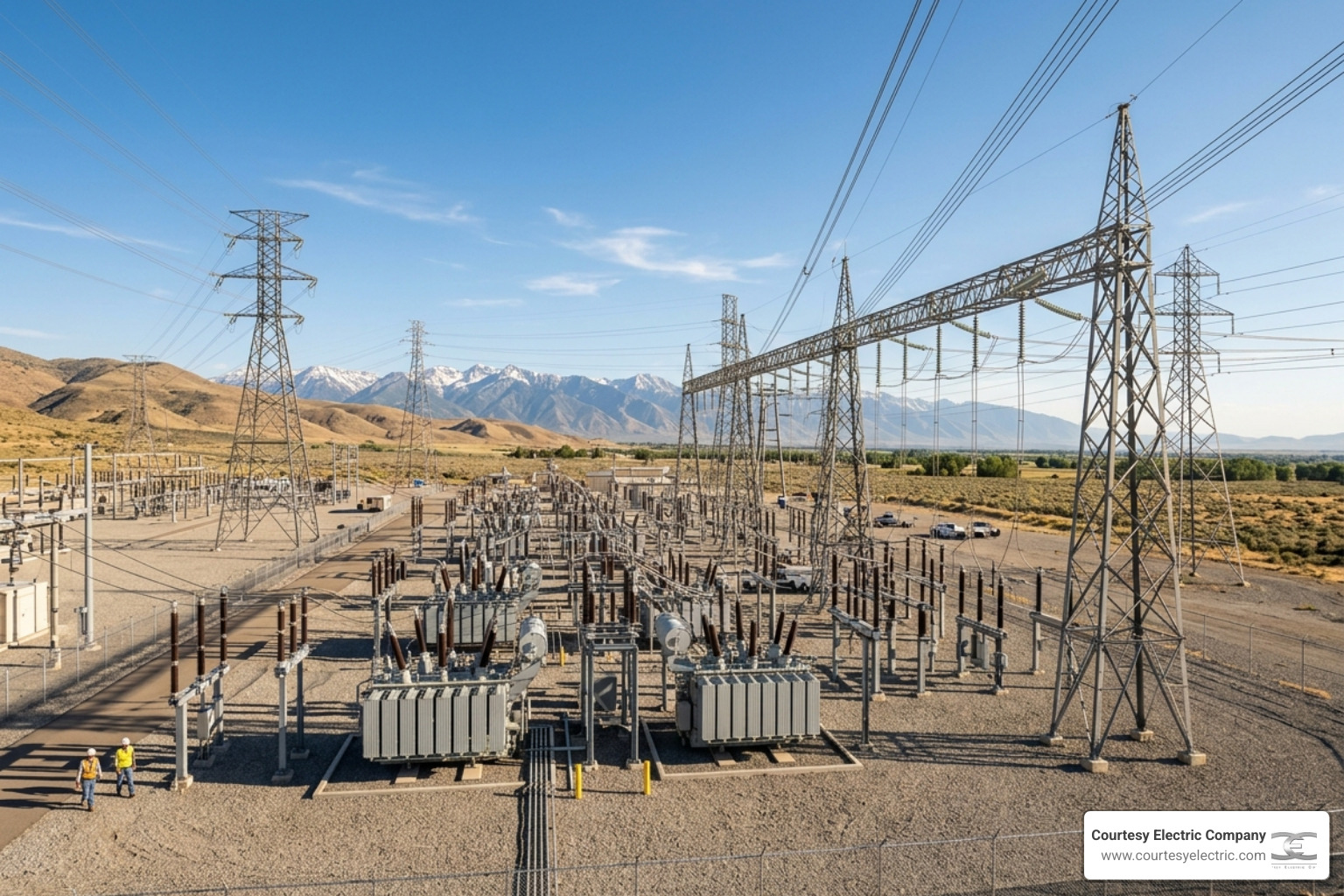
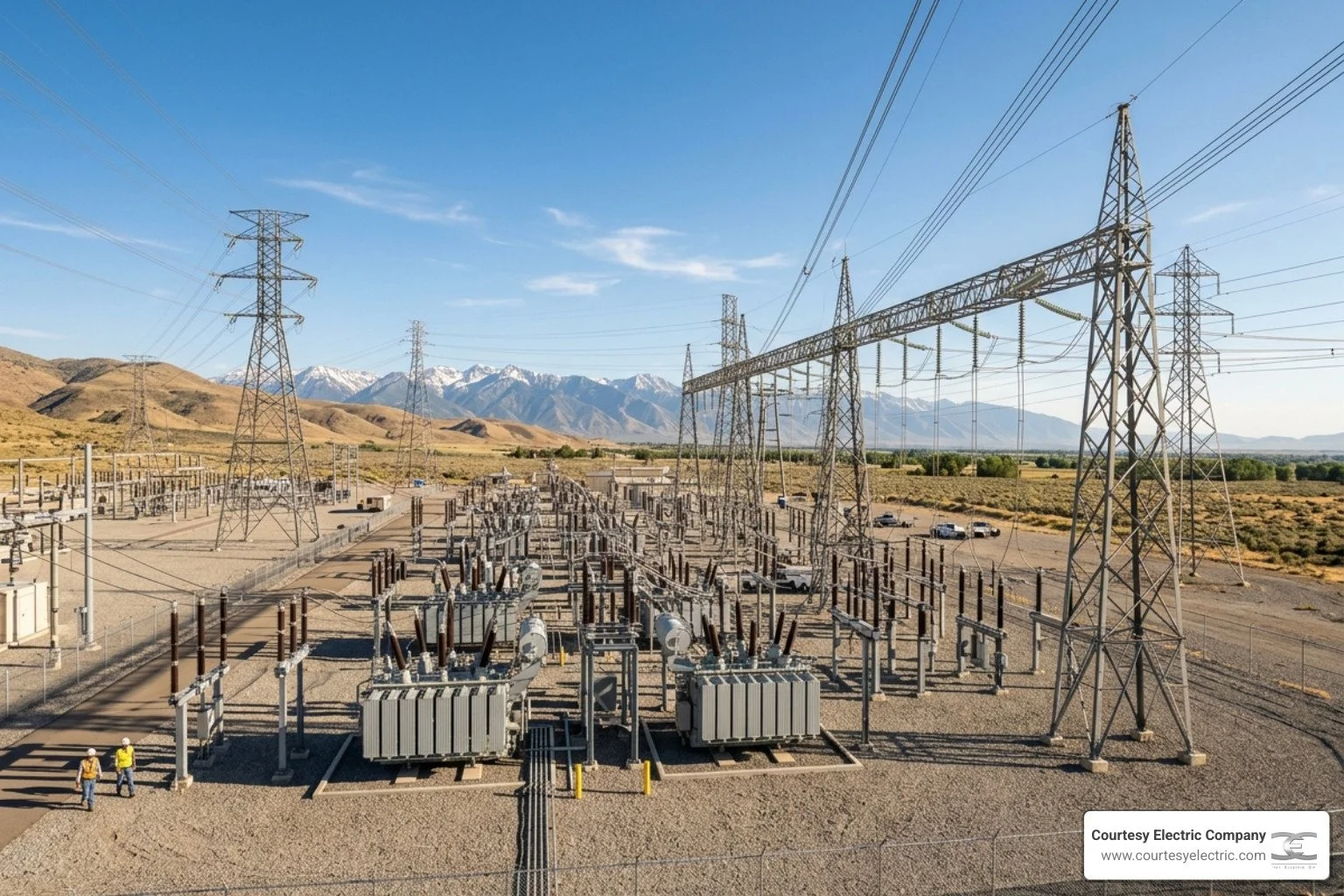
To effectively grasp how to manage electrical demand during hot weather, we first have to look at the "grid" as a living, breathing entity. In Denver and across the Colorado Front Range, our electrical infrastructure is designed to handle a certain maximum load. When a heatwave hits, and every household from Fort Collins to Colorado Springs turns on their air conditioning at 5:00 PM, we hit what is known as "peak demand."
Grid reliability depends on a delicate balance between supply and demand. If the demand for power exceeds the available capacity, it creates a "capacity shortfall." To prevent a total system collapse (a blackout), utility operators may have to resort to "load shedding"—intentionally cutting power to certain areas in controlled rotations, often called rolling brownouts. By learning to manage our individual home loads, we collectively reduce the risk of these outages. You can explore our full range of services to see how we help homeowners build more resilient systems.
Why peak demand management matters for Denver homeowners
Managing demand isn't just about being a good neighbor; it’s about your bottom line and your home’s safety.
- Lower Energy Costs: Many utilities are moving toward Time-of-Use (TOU) pricing. This means electricity costs significantly more during peak afternoon hours. By shifting your usage, you save money immediately.
- Grid Stress and Longevity: Excessive demand strains transformers and neighborhood distribution lines. Consistent overloading can lead to equipment failure right in your own cul-de-sac.
- Environmental Impact: During peak times, utilities often have to fire up "peaker plants"—older, less efficient power plants that emit more carbon to meet the surge. Reducing peak demand keeps these dirtier plants offline.
- Community Resilience: When we all pull together to reduce the load, we protect vulnerable neighbors—such as those relying on medical equipment—who cannot afford a power interruption.
The impact of extreme heat on the 2026 power supply
As we move through April 2026, the trends are clear: our summers are getting hotter and our demand for electricity is rising. With more electric vehicles (EVs) on the road and more homes switching to electric heat pumps, the baseline demand is higher than ever before. In Colorado, our high-altitude sun is intense, and our infrastructure faces unique challenges. When regional stability is threatened by multi-day heatwaves, the margin for error on the grid shrinks. Proactive management is no longer a "nice to have"—it is a necessity for modern Colorado living.
Strategic Cooling: Thermostats and Pre-Cooling Methods

The biggest energy hog in your home during a Denver summer is undoubtedly the air conditioner. However, you don't have to suffer in a sweltering house to help the grid. The secret lies in strategy. By understanding how to manage electrical demand during hot weather through thermal mass, you can stay cool while using less "peak" power. Check out our electrical service options to ensure your cooling system's wiring is up to the task.
How to manage electrical demand during hot weather with pre-cooling
Pre-cooling is the practice of "charging" your home with cold air during the morning and early afternoon when electricity is cheaper and the grid is stable.
- The Morning Chill: Between 7:00 AM and 11:00 AM, set your thermostat a few degrees lower than your usual preference (e.g., 70°F or 72°F).
- Locking it In: This cools down the "thermal mass" of your home—the walls, floors, and furniture.
- The Afternoon Drift: At 4:00 PM, when peak hours begin, raise the thermostat to 78°F. Because your home started so cool, the AC may not need to kick on at all for several hours, even as the outdoor temperature peaks.
- Insulation Retention: This method works best if your home is well-insulated, as it prevents the "stored" coolness from escaping.
Recommended thermostat settings for heat waves
The Department of Energy and local utilities generally recommend a setting of 78°F when you are at home. While this might sound warm to some, every degree you set your thermostat above 75°F can save you between 10% and 15% on the energy used for cooling.
If you are away for more than eight hours, turning the thermostat back 7° to 10°F from its normal setting can save you up to 10% a year on your total cooling bills. A smart thermostat is a game-changer here; it can save an average of 8% on annual cooling costs by automating these setbacks so you never have to remember to "flip the switch."
Maximizing Efficiency Through Maintenance and Passive Cooling
Efficiency is the easiest way to reduce demand without changing your lifestyle. If your equipment doesn't have to work as hard, it draws fewer amps from the grid. We see many homes in Parker and Highlands Ranch where simple maintenance could have prevented a system failure during a heatwave. Learn more about maintaining your home electrical systems to keep everything running smoothly.
Using windows and shades to block solar heat
Did you know that an estimated 30% of unwanted heat in your home comes in through the windows? In Colorado, our thin atmosphere makes solar radiation particularly potent.
- Close the Blinds: Simply closing highly reflective blinds on south- and west-facing windows can reduce heat gain by around 45%.
- Window Treatments: Using blackout curtains or cellular shades creates an insulating air gap.
- External Solutions: Planting deciduous trees or shrubs on the south and west sides of your house can make your cooling system up to 10% more efficient by providing natural shade.
Air conditioner maintenance and filter care
A dirty system is an expensive system. Replacing a clogged, dirty filter with a clean one can lower your air conditioner's energy consumption by 5% to 15%. When the filter is dirty, airflow is restricted, forcing the blower motor to run longer and harder.
Furthermore, ensure the area around your outdoor condenser unit is clear of weeds, debris, and "cottonwood fuzz," which is notorious in Denver. If the coils are blocked, the unit can't release heat effectively. We also recommend checking for leaky ducts; up to 15% of your cooled air can be lost in the attic or crawlspace before it ever reaches your living room.
Low-cost cooling actions for every home
- Ceiling Fans: Use them! A ceiling fan allows you to raise the thermostat by about 4 degrees without losing comfort. They can cut AC needs and save up to 40% on electricity. Just remember: fans cool people, not rooms. Turn them off when you leave.
- LED Lighting: Traditional incandescent bulbs are essentially small heaters; 90% of the energy they use is released as heat. Switching to LEDs can save up to $260 a year and keeps your rooms cooler.
- Weatherstripping: Sealing air leaks around doors and windows can save up to 20% on your annual cooling costs.
- Ventilation Fans: Use kitchen and bathroom exhaust fans to pull heat and humidity out of the house after cooking or showering—but don't leave them on too long, or they’ll start pulling your cooled air out, too.
Shifting Household Tasks to Off-Peak Hours
One of the most powerful tools in how to manage electrical demand during hot weather is "load shifting." This simply means moving high-energy activities away from the 4:00 PM to 9:00 PM window. If you have questions about your home's capacity for these loads, contact an electrician for a system evaluation.
How to manage electrical demand during hot weather by timing appliances
Major appliances generate two things the grid hates during a heatwave: high electrical draw and internal heat.
- The Laundry Rule: Wash and dry clothes early in the morning or late at night. About 90% of the energy used by a washing machine goes toward heating the water; use cold water settings to save even more.
- Dishwashing: Run the dishwasher before you go to bed. Avoid the "heated dry" cycle to reduce energy use and heat output.
- Cooking: Using an oven can raise your kitchen temperature by several degrees, forcing the AC to work harder. On hot days, use a microwave, a slow cooker, or better yet, head outside to the grill.
- Phantom Loads: Unplug "vampire" electronics like coffee makers, second TVs, and chargers when not in use. Using power strips can save up to $280 a year by making it easy to truly turn off electronics.
Managing pool pumps and EV charging
If you have a pool in Black Forest or a Tesla in Denver, you have a significant impact on the grid.
- Pool Pumps: These are often the second-largest energy users in a home. Program your pump to run between 10:00 PM and 6:00 AM. Switching to a variable-speed pump can save over $600 annually.
- EV Charging: Avoid "plugging in" the moment you get home from work. Set your vehicle's charging timer to start after 11:00 PM. This is often the time of day when wind power is most abundant in Colorado, making your drive even greener.
Advanced Solutions for Grid Resilience and Energy Management
For homeowners who want to be truly proactive, modern technology offers "set and forget" solutions. At Courtesy Electric, we specialize in these high-tech upgrades that make managing demand effortless. You can schedule a consultation to see which of these fits your home best.
The role of smart panels and battery storage
The "dumb" electrical panel of the 1980s is being replaced by smart technology like the SPAN panel. These panels allow for circuit-level control from your phone. If the grid is under stress, you can remotely turn off non-essential circuits (like the guest room AC or the water heater) to reduce your demand instantly.
Pairing a smart panel with a Franklin battery storage system provides the ultimate grid support. During peak hours, your home can run entirely off the battery, drawing zero power from the grid. This is called "peak shaving." If a blackout does occur due to high demand, your battery takes over seamlessly.
Preparing for utility alerts and medical needs
If you or a family member relies on electrically powered medical equipment, demand management is a matter of safety.
- Medical Baseline Allowance: Many Colorado utilities offer programs that provide extra energy at lower rates for medical needs. Ensure you are enrolled.
- Flex Alerts: Sign up for utility notifications. When an alert is issued, it’s time to trigger your "emergency" conservation plan: lights off, thermostat up, and no major appliances.
- Standby Generators: For those in high-fire risk areas or locations prone to outages, a Generac or Cummins standby generator provides peace of mind. Unlike batteries, which have a finite capacity, a generator can run for days on natural gas or propane to keep your medical equipment and AC running.
Cooling Efficiency Comparison: AC vs. Ceiling Fan
| Feature | Central Air Conditioning | Ceiling Fan |
|---|---|---|
| Average Wattage | 3,000 – 5,000 Watts | 15 – 90 Watts |
| Estimated Cost/Hour | $0.36 - $0.60 | $0.01 - $0.02 |
| Cooling Effect | Lowers actual air temp | "Wind chill" effect on skin |
| Grid Impact | High (Major Peak Contributor) | Low |
| Best Practice | Set to 78°F | Use only when room is occupied |
Frequently Asked Questions about Summer Energy Management
What are the best no-cost ways to save energy immediately?
The fastest ways to save without spending a dime include:
- Closing all drapes and blinds during the day.
- Setting your thermostat to 78°F.
- Unplugging chargers and electronics when not in use.
- Opening windows at night if the temperature drops below 70°F, then closing them tightly at sunrise.
How do I handle medical equipment during a utility alert?
First, ensure you have a backup power source, such as a dedicated battery backup or a standby generator. Keep all portable devices and spare batteries fully charged. Notify your utility company of your medical status so you are prioritized during restoration efforts. Always have a secondary plan, such as a nearby location with a backup generator (like a hospital or library) that you can go to if power is lost.
Why is my bill still high even if I set the thermostat to 78 degrees?
If the outdoor temperature is 100°F, your AC still has to work incredibly hard to maintain 78°F. Other culprits include:
- Leaky Ducts: You might be cooling your attic.
- Poor Insulation: Heat is seeping through your ceiling and walls.
- Phantom Loads: High "baseload" from always-on electronics.
- Old Appliances: A refrigerator from 2001 uses significantly more power than a modern Energy Star model.
Conclusion
Managing electrical demand is a shared responsibility that benefits every resident of the Denver Front Range. By implementing these strategies—from simple thermostat adjustments to advanced smart home integrations—you protect our local grid, save money, and ensure your home remains a sanctuary even during the most intense Colorado heatwaves.
At Courtesy Electric Company, we’ve been helping Coloradans navigate their electrical needs since 1976. Whether you’re looking to install a SPAN smart panel for better energy tracking, a Franklin battery for peak shaving, or a Generac generator for total peace of mind, we are here to provide quality, integrity-driven installations.
Don't wait for the next heatwave to test your home's limits. Contact us today for more info about our electrical services and let's make sure your home is ready for whatever the Colorado summer throws your way.


